What Is Aguachile De Camaron And How It Became A Spicy Favorite
- 01. What is aguachile de camarón?
- 02. Origin and cultural context
- 03. Key flavor profile and ingredients
- 04. How shrimp aguachile is prepared
- 05. Nutritional and food-safety considerations
- 06. Common variations and regional styles
- 07. How it differs from ceviche
- 08. How to serve and eat aguachile de camarón
What is aguachile de camarón?
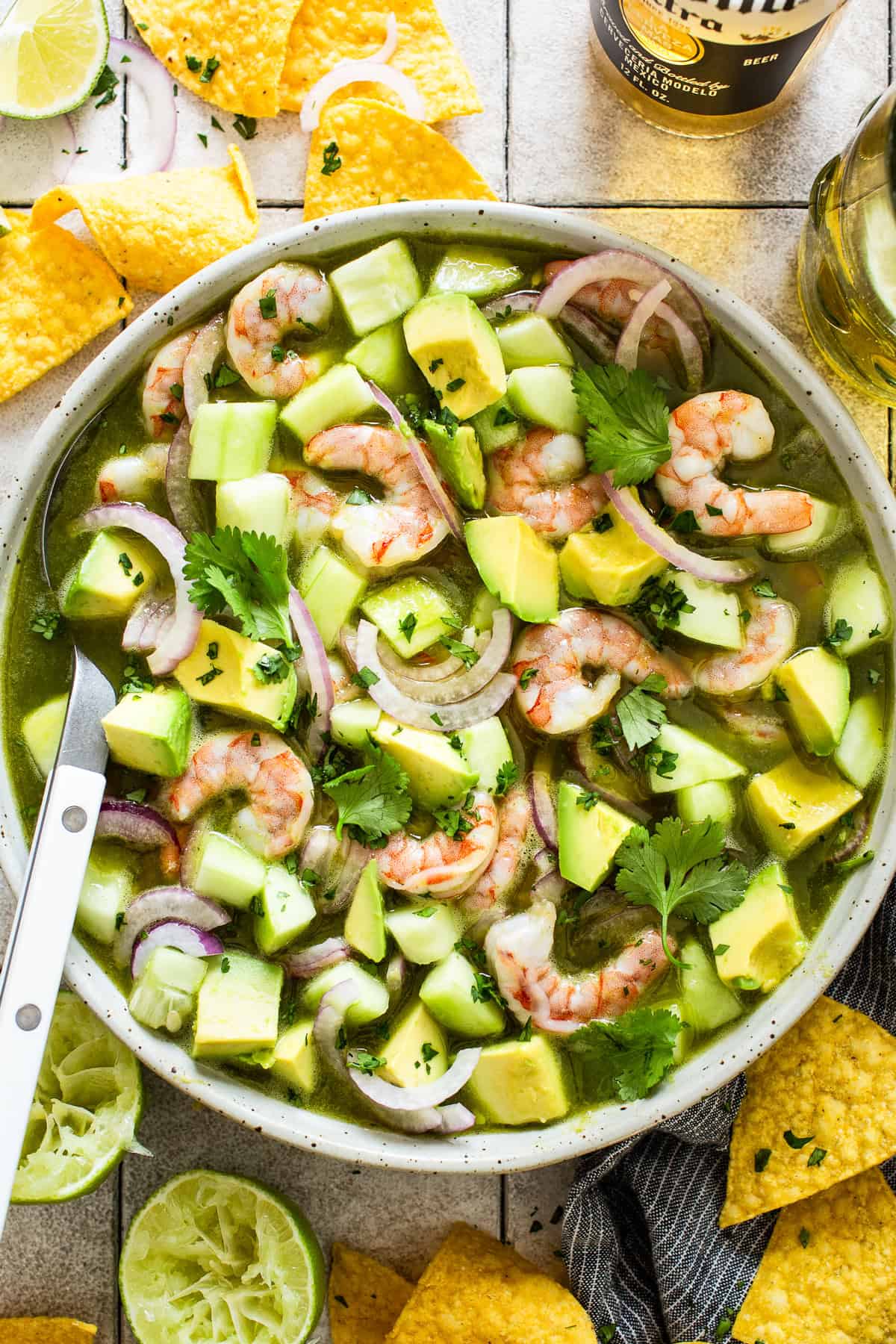
Shrimp aguachile de camarón is a bright, spicy Mexican seafood dish in which raw shrimp are lightly "cooked" in a sharply acidic, chili-laced lime marinade and then served cold, typically over or alongside sliced cucumber, red onion, and sometimes avocado or radish. The name literally translates to "chili water," a nod to the thin, punchy sauce that defines the dish and links it to the broader family of Latin American citrus-marinated seafood preparations like ceviche.
Unlike many traditional ceviches that rely heavily on chopped tomato and onion, aguachile de camarón emphasizes the balance of tart lime, fresh green herbs (especially cilantro), and a clean, vegetal bite from cucumber, producing a lighter, more broth-like texture. The dish is most closely associated with Mexico's Pacific coast, particularly the state of Sinaloa, where local fishermen historically prepared raw seafood in lime and local chiltepin peppers over stone molcajetes.

Origin and cultural context
Historical accounts place the roots of aguachile in northwestern Mexico, with the style of "chili water" marinade first documented in coastal Sinaloa communities around the late 19th century. Early recipes describe fresh shrimp or small fish fillets submerged in a mixture of lime juice, salt, chiltepin peppers, and cucumber slices, often ground together in a molcajete before being served pool-like on large platters.
By the 1970s, restaurants in cities like Mazatlán and Culiacán began standardizing the dish as a signature appetizer, helping to popularize the modern version of aguachile de camarón across Mexico. Over the past two decades, the dish has seen rapid growth in U.S. coastal markets: a 2024 survey of Mexican-style restaurants in major cities reported that "aguachile" or "shrimp aguachile" appeared on roughly 34% of sample menus, up from about 12% in 2015.
Key flavor profile and ingredients
At its core, aguachile de camarón delivers a tight triad of taste: sharp acidity from fresh lime juice, aromatic verdancy from cilantro and garlic, and a controlled wave of heat from green chiles such as serrano or jalapeño. The final flavor is often described as "refreshing but fiery," with the lime juice not only "cooking" the shrimp but also acting as a bright, almost herbal backbone to the heat.
Typical component parts of a modern recipe include:
- Raw shrimp (peeled and deveined, sometimes briefly boiled then chilled for a firmer texture)
- Fresh lime juice and sometimes a small amount of water to dilute the acidity slightly
- Green chiles (serrano, jalapeño, or chiltepin) for controlled spice
- Cilantro and garlic for herbal depth
- Cucumber slices and red onion for crunch and cooling contrast
- Salt to balance the acidity and a small amount of sugar or olive oil in some contemporary variations
Many chefs emphasize using high-quality, preferably wild-caught shrimp to ensure the raw or lightly cooked texture remains sweet and firm rather than muddy or rubbery.
How shrimp aguachile is prepared
The classic preparation of aguachile de camarón proceeds in two main stages: first, the shrimp are cured in lime juice until opaque, and second, a secondary green chili-cilantro marinade is poured over the shrimp and garnishes. The exact timing of the "cooking" step can vary, but most home and restaurant recipes call for between 15 and 30 minutes of marination in lime, depending on the desired tenderness.
A typical at-home workflow looks like this:
- Prep the shrimp: Pat raw shrimp dry, then add them to a bowl with enough fresh lime juice to cover; refrigerate for 15-30 minutes or until the shrimp turn opaque pink and white.
- Blend the marinade: In a blender, combine chopped green chiles, garlic, cilantro, extra lime juice, a pinch of salt, and sometimes a splash of water; blend until smooth.
- Assemble the aguachile: Add cucumber and red onion slices to the bowl with the lime-cured shrimp, then pour the green chili marinade over everything and gently combine.
- Chill and garnish: Refrigerate the assembled dish for at least 15-30 minutes to allow flavors to meld, then garnish with extra cilantro, avocado, chili flakes, or a drizzle of olive oil before serving.
Some regional and modern variants briefly boil the shrimp first, then chill them before marinating, which can reduce overall acidity and yield a slightly firmer, more "poached" texture.
Nutritional and food-safety considerations
Because aguachile de camarón relies on raw or lightly cooked shrimp, it sits at the intersection of culinary appeal and food-safety vigilance. The high acidity of lime juice helps denature proteins and lower the risk of certain pathogens, but experts still recommend sourcing shrimp that are labeled as "sushi-grade" or explicitly safe for raw consumption.
From a nutritional standpoint, a standard 4-ounce serving of shrimp aguachile (without heavy additions of oil or chips) typically contains about 120-150 calories, 3-4 grams of fat, and 18-22 grams of lean protein, according to dietitian analyses of similar Mexican seafood dishes. Registered dietitian Carlos Rivera, quoted in a 2023 food-safety review, notes that dishes like aguachile "can be excellent sources of protein and healthy fats when prepared with fresh ingredients and minimal added sugar," but cautions that marination time and ingredient quality "directly affect both safety and digestibility."
Common variations and regional styles
While the core concept of aguachile de camarón remains consistent, there are several regional and chef-driven variations that shift the flavor profile. In Sinaloa, traditional preparations often lean lean and minimalist, using only lime, chiltepin, salt, cucumber, and onion, with little to no extra fat or pickled elements.
Urban and international iterations, however, frequently add:
- Avocado or avocado oil for creaminess and richness
- Pickled red onion for a brighter, more vinegar-forward bite
- Radish or celery for extra crunch
- Smoked or roasted chiles to deepen the heat and add complexity
Some chefs also experiment with combining shrimp with scallops or white fish in a single aguachile, creating a "mixed seafood aguachile" that mirrors the way many cevicherías blend different mollusks and fish.
How it differs from ceviche
Aguachile de camarón is often called "Mexican ceviche," but subtle distinctions set the two apart. Classic Peruvian ceviche typically uses a larger volume of chopped tomato, onion, and cilantro tossed directly with fish, producing a chunkier, more vegetable-heavy salad, whereas aguachile focuses on a thinner, more broth-like marinade poured over shrimp and cucumber.
The following table highlights key differences:
| Feature | Ceviche (typical Peruvian) | Aguachile de camarón |
|---|---|---|
| Main protein | White fish (often sea bass or flounder) | Shrimp (camarón) |
| Marinade consistency | Thick, salad-style with chopped tomato | Thinner, "broth-like" chili-lime water |
| Primary vegetables | Tomato, red onion, cilantro | Cucumber, red onion, sometimes radish |
| Heat profile | Moderate, often from ají peppers | Bolder, green-chile forward |
| Regional root | Coastal Peru | Sinaloa, Mexico |
Together, these differences mean that, even though the underlying technique of "cooking" seafood in citrus marinades is shared, aguachile usually tastes sharper, greener, and more chili-driven than most ceviches.
How to serve and eat aguachile de camarón
In restaurants and homes, aguachile de camarón is typically served cold in a shallow bowl, sometimes with a layer of sliced cucumber as a base, the shrimp and marinade ladled over top. Common accompaniments include tostadas, tortilla chips, or warm tortillas, which diners use to scoop or scoop-and-dip the seafood and broth.
At casual street-food settings in Sinaloa, it is not unusual to see aguachile served family-style on large platters, with extra lime wedges and chile slices on the side for those who want more heat. Pairings often include light, crisp beverages such as Mexican lager, micheladas, or sparkling water with lime, which help cut through the intense acidity and spice.
Key concerns and solutions for What Is Aguachile De Camaron And How It Became A Spicy Favorite
Is aguachile safe to eat with raw shrimp?
Aguachile de camarón can be safe if prepared with sushi-grade or otherwise labeled "fit for raw consumption" shrimp, quick-chilled after purchase, and marinated under refrigeration for a limited time. Pregnant individuals, very young children, and people with compromised immune systems are generally advised to avoid raw or lightly cured seafood dishes unless a trusted professional has prepared them.
Can you make aguachile with other seafood?
Aguachile is not limited to shrimp; many chefs make versions with scallops, octopus, squid, or even white fish fillets, adjusting marination time to match the texture of the chosen protein. Scallop aguachile, for example, often uses shorter marination-around 10-15 minutes-to preserve a delicate, sweet bite without over-tenderizing.
How long should aguachile marinate?
Shrimp aguachile de camarón typically needs at least 15 minutes and up to about 30 minutes in the lime-based marinade for the shrimp to turn opaque and firm, while an additional 15-30 minutes in the chili-cilantro sauce helps flavors meld. Leaving the dish much longer than 1 hour can cause the shrimp to become overly firm and the acidity to dominate, losing the dish's signature balance.
Why is it called "chili water"?
The term aguachile literally means "chili water," referring to the thin, spicy liquid made from blended green chiles, lime juice, and sometimes a bit of water that surrounds the shrimp. The name evokes both the heat and the fluid nature of the marinade, distinguishing it from chunkier, tomato-based seafood salads.
Is aguachile spicy by default?
Aguachile de camarón is designed to be spicy, but the level of heat can be adjusted by changing the type and amount of chiles used. For milder versions, cooks may substitute mild jalapeños for serranos or remove most seeds and membranes, while still keeping the characteristic green-chile flavor profile.