Wall Of Tears Puerto Villamil Ecuador Feels Haunting
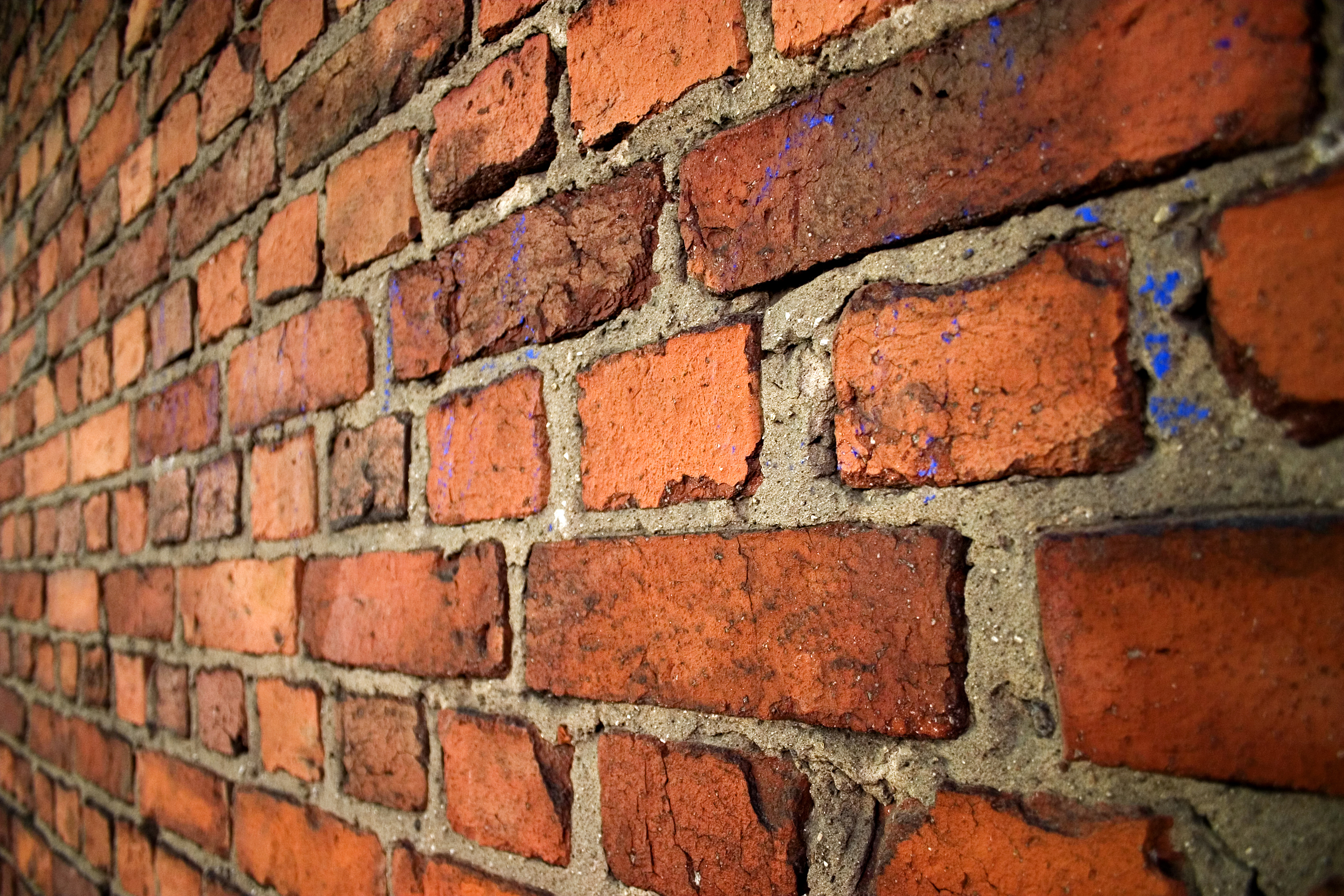
Wall of Tears in Puerto Villamil, Ecuador is absolutely worth visiting if you want a short, meaningful hike that combines Galápagos scenery with one of the islands' most sobering historical landmarks. It is not "eerie" in a haunted-attractions sense so much as haunting in a real-world way: the site marks a brutal prison labor history on Isabela Island, and the walk itself is a strong fit for travelers based in Puerto Villamil who want nature, history, and a moderately easy half-day outing.
What the Wall of Tears is
The Wall of Tears, or Muro de las Lágrimas, is a historic stone wall on Isabela Island in the Galápagos, located roughly 5 to 6 kilometers west of Puerto Villamil. The wall was built by prisoners between 1945 and 1959 during the island's penal-colony era, using lava rock in punishing conditions that reportedly caused many deaths. Today, it stands as a stark reminder of that history and has become one of the most talked-about stops near town.

The setting matters as much as the wall itself. The route leaves the settled edge of Puerto Villamil and moves through dry coastal terrain, with lagoons, birdlife, volcanic scenery, and occasional ocean views along the way. That contrast between an inviting island landscape and a grim human story is what makes the place feel so powerful.
Why people go
Travelers visit the Wall of Tears for three main reasons: history, hiking, and atmosphere. The path offers an easy-to-moderate outdoor experience without requiring a full-day expedition, and it pairs well with other Puerto Villamil sights such as the wetlands, beaches, and snorkeling spots. For many visitors, the emotional weight of the site is what makes it memorable.
- It is one of the most accessible historic sites near Puerto Villamil.
- The route offers classic Galápagos scenery without advanced fitness demands.
- It gives context to Isabela Island's penal-colony past.
- It can be combined with other nearby attractions in one outing.
Historical background
The wall was constructed during the years when Isabela Island hosted a penal colony, after the Ecuadorian government established the settlement in the 1940s. Prisoners were forced to haul and stack sharp volcanic rock by hand, turning a remote island outpost into a place of hard labor and hardship. The wall's size and rough construction reflect both the labor involved and the harshness of the era.
This is why the site carries such a heavy reputation. Local storytelling often adds a ghostly layer, but the real source of the wall's unsettling mood is documented human suffering rather than legend. That distinction is important for readers deciding whether the site is "worth it": it is meaningful because of history, not because of theatrics.
"A place like this is not just a stop on a bike ride; it is a reminder of how remote places can hold very difficult histories."
What the walk is like
The most common way to reach the Wall of Tears is by walking or cycling from Puerto Villamil along a coastal trail. The route is generally straightforward, with sections of sandy and gravelly ground, and it usually takes visitors past wetlands, lava fields, and viewpoints before reaching the wall. Many travelers treat it as a pleasant out-and-back excursion rather than a strenuous hike.
Conditions can feel hot, exposed, and dry, so water and sun protection are essential. The trail can be windy at times, and the volcanic terrain means the footing is not always smooth. Still, for most healthy travelers, the outing is manageable and rewarding.
| Trip detail | Typical experience | Why it matters |
|---|---|---|
| Distance from Puerto Villamil | About 5 to 6 km west | Close enough for a half-day visit |
| Time on foot | About 1.5 to 3 hours round trip | Depends on pace and stops |
| Trail surface | Sandy, gravelly, volcanic terrain | Comfortable shoes are important |
| Best use | History-focused walk with nature views | Best for curious, low-key travelers |
Is it eerie?
Yes, but in a restrained and reflective way rather than a cinematic one. The "eerie" feeling comes from the wall's isolation, its difficult backstory, and the fact that the surrounding landscape is so quiet that the site can feel almost suspended in time. That atmosphere is exactly why many visitors remember it long after they leave.
If you enjoy places where history is visible in the landscape, the Wall of Tears delivers. If you are expecting a dramatic ruin or a heavily interpreted museum experience, you may find it simpler than you imagined. The emotional impact comes from context, not spectacle.
Who should visit
The Wall of Tears is best for travelers who like outdoor sightseeing with a strong historical angle. It is especially suitable for independent visitors staying in Puerto Villamil, day-trippers who want a half-day activity, and anyone interested in the darker layers of Galápagos history. Families with older children often find it manageable, though younger kids may be less engaged by the historical significance.
- Start in Puerto Villamil with water, sunscreen, and closed-toe shoes.
- Walk or cycle west along the marked trail.
- Pause at wetlands or viewpoints if time allows.
- Spend a few minutes at the wall and read the historical context.
- Return before late afternoon heat becomes uncomfortable.
Practical tips
Go early in the day if possible, because the trail can feel hotter later on and the light is often better for photos in the morning. Bring more water than you think you need, especially if you plan to cycle or continue on to other sites near Puerto Villamil. A hat, sunscreen, and sturdy footwear make the trip much more comfortable.
It also helps to pair the Wall of Tears with nearby sights so the outing feels fuller. Many visitors combine it with the wetlands, Concha de Perla, local beaches, or a meal back in town. That way, the wall becomes part of a broader Isabela Island day rather than a standalone stop.
Nearby highlights
Puerto Villamil is a good base because it offers a compact mix of history and nature within easy reach. The wetlands are a common add-on before or after the wall, and snorkeling spots such as Concha de Perla provide a completely different kind of experience. The town's relaxed pace makes it easy to build a flexible itinerary.
- Los Humedales, for flamingos and boardwalk birdwatching.
- Concha de Perla, for easy snorkeling near town.
- Puerto Villamil Beach, for a calm coastal break.
- Local bike routes, for a low-effort way to see more of the island.
How to judge the value
For most visitors, the Wall of Tears is worth it because it adds depth to a Galápagos trip that might otherwise focus only on wildlife and beaches. It is not a luxury attraction, and it is not designed to entertain in the conventional sense; it is a place to reflect. That makes it especially valuable for travelers who want the islands' history to feel as real as their natural beauty.
The best mental frame is to treat it as a landscape of memory. If that sounds appealing, the walk will probably be one of your most meaningful experiences in Puerto Villamil. If you want only wildlife and snorkeling, you may still enjoy the route, but the wall itself will matter less than the journey there.
Bottom line for travelers
The Wall of Tears is one of those rare sites that is both simple and unforgettable. It is worth seeing if you want a meaningful Puerto Villamil experience that goes beyond beaches and wildlife, and its eerie atmosphere is rooted in real history rather than gimmickry. For many travelers, that combination is exactly what makes it one of Isabela Island's most compelling stops.
What are the most common questions about Wall Of Tears Puerto Villamil Ecuador Feels Haunting?
Is the Wall of Tears worth visiting?
Yes, especially if you enjoy history, walking, and quiet places with a strong sense of place. It is one of the most memorable short excursions from Puerto Villamil because it combines a scenic trail with a significant historical site.
How far is the Wall of Tears from Puerto Villamil?
It is about 5 to 6 kilometers west of Puerto Villamil, making it close enough for a walk or bike ride. The distance is short enough for most travelers to do as a half-day outing.
Why is it called the Wall of Tears?
The name comes from the suffering associated with its construction by prisoners on Isabela Island. The wall itself became a symbol of forced labor, hardship, and the island's penal-colony past.
Can you bike to the Wall of Tears?
Yes, biking is one of the most popular ways to visit. The route is commonly described as suitable for a casual ride, though the terrain can be sandy and uneven in places.
Is the trail difficult?
No, it is generally considered easy to moderate rather than strenuous. Heat, sun exposure, and rough patches on the trail are the main challenges, not elevation gain.
What should I bring?
Water, sun protection, closed-toe shoes, and a camera are the essentials. If you plan to bike, make sure the bike is in good condition and that you leave enough time to return before sunset.