Tortuga Bay Beach Tortuga Bay Puerto Ayora Ecuador Feels Unreal

Tortuga Bay Beach is the famous white-sand beach south of Puerto Ayora on Santa Cruz Island in Ecuador's Galápagos, best known for its protected wildlife, scenic walk-in access, and two distinct shoreline zones: the surfier Playa Brava and the calmer Playa Mansa. It is one of the most visited day trips from town because it combines easy access with a strict conservation setting and unusually clear wildlife encounters.
What Tortuga Bay is
Tortuga Bay is part of the Galápagos National Park area near Puerto Ayora, and its name refers to the turtles that historically nest in the area. Multiple guides describe it as a standout Galápagos beach with bright white sand, turquoise water, and frequent sightings of marine iguanas, pelicans, and sometimes baby reef sharks in the calmer waters. It is widely described as one of the best free beach experiences on Santa Cruz Island.
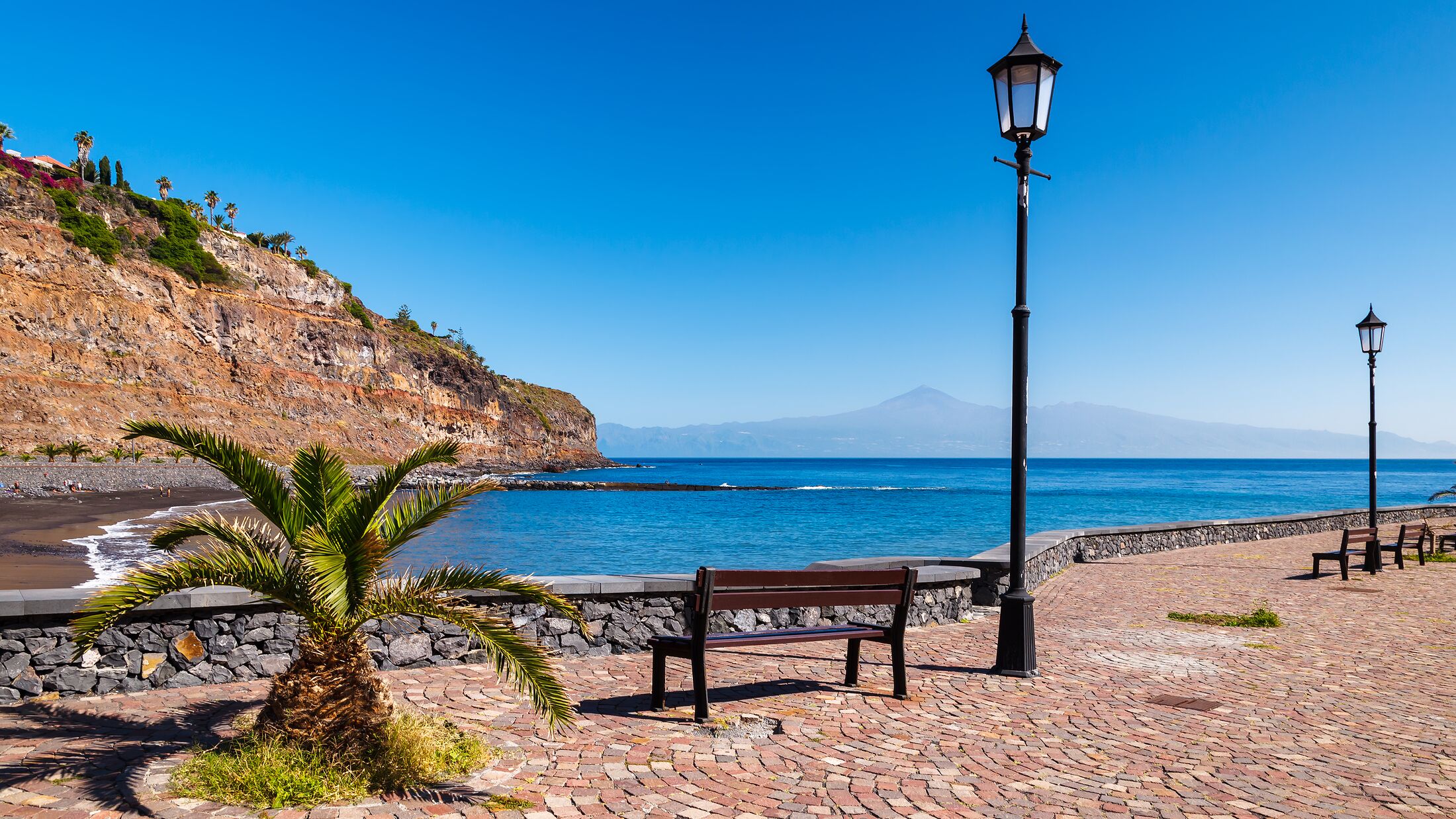
The beach is not a built-up resort strip; it is a protected natural site with no beach chairs, no vendors, and no facilities on the sand, which is part of its appeal. That minimal development preserves the Galápagos wildlife experience and keeps the shoreline feeling remote even though it is close to town. Visitors are expected to respect park rules, avoid wildlife disturbance, and carry their own water and sun protection.
Why it matters
Puerto Ayora is the main gateway town on Santa Cruz, so Tortuga Bay is one of the easiest iconic Galápagos beaches to reach without a boat excursion. Most sources place the beach roughly 3 km southwest of town, with a walking path that takes around 30 to 45 minutes each way depending on pace and conditions. Some listings also mention a water-taxi option from the main dock, which can shorten the trip but changes the experience from a scenic hike to a quick transfer.
From an environmental standpoint, the beach is important because it is a nesting and wildlife habitat, not just a recreation spot. That is why access rules are stricter than at an ordinary urban beach, and why visitors are asked to leave by park closing time. In practical terms, Tortuga Bay is a showcase of how the Galápagos balances tourism with conservation.
How to get there
Most travelers reach Tortuga Bay on foot from Puerto Ayora by following a marked trail from town. One source describes the route as leaving the main pier, walking along Avenida Baltra, turning left at the second crossroads onto Charles Binford Street, and continuing to the trailhead. The full walk is generally described as about 2.5 km to 3 km one way, with a flat enough grade for most visitors.
- Start in Puerto Ayora and head toward the main trail access point.
- Follow the marked pedestrian path through the dry lowland landscape.
- Arrive at the beach entrance and continue to the coast.
- Choose Playa Brava for scenery and surf, or walk farther to Playa Mansa for calmer water.
- Leave before closing time and carry out all trash.
Many guides recommend going early in the morning to avoid stronger sun and to enjoy better wildlife activity. The walk itself is a big part of the appeal because it offers a transition from town into a protected coastal ecosystem, with cactus and arid island vegetation along the way. Travelers who prefer speed can use a water taxi, but the hike is the more iconic approach.
Beach layout
Playa Brava is the open-ocean side of Tortuga Bay, known for stronger waves and a dramatic shoreline. Because conditions can be rough, swimming is typically discouraged there, but the beach is excellent for walking, photography, and watching marine iguanas on the sand and rocks. Several sources note that the waves and stronger surf are part of what gives this side its wild character.
Playa Mansa is the calmer inner-bay area and is usually the better choice for swimming, kayaking, and observing wildlife from the water. Visitors commonly report seeing pelicans, fish, and occasionally juvenile black-tip reef sharks in the sheltered waters, which is why the beach feels so distinctive compared with mainland resort beaches. The contrast between the two sections is one of Tortuga Bay's main draws.
| Feature | Typical details | Visitor impact |
|---|---|---|
| Distance from Puerto Ayora | About 2.5 km to 3 km one way | Easy day trip on foot |
| Main beach zones | Playa Brava and Playa Mansa | Different conditions for walking, surfing, and swimming |
| Facilities | No services on the beach | Bring water, snacks, and sun protection |
| Best use | Wildlife viewing, kayaking, photography | Best for nature-focused visitors |
Rules and safety
Park rules are central to the Tortuga Bay experience, and they exist to protect nesting areas and wildlife. Sources note restrictions such as not entering dunes or turtle nesting zones, not touching animals, not leaving garbage, and leaving the beach when the ranger or guard instructs. One guide also states that swimming is not allowed on Playa Brava, which is consistent with the rough surf there.
"No buildings. No beach chairs. Just ivory sand, turquoise waves, and the kind of silence that makes you hear your own breath."
Because the sun is strong near the equator, practical safety matters as much as park etiquette. Visitors are repeatedly advised to bring sunscreen, a hat, water, and comfortable shoes, and to go early or later in the day if they want less heat. The beach is beautiful, but it is also a place where preparation directly affects comfort and safety.
Wildlife highlights
Marine iguanas are among the signature species at Tortuga Bay, often seen basking on the sand or near the rocks. Several travel accounts also mention pelicans, sea turtles in the broader area, and small reef sharks in the calmer water, which makes the beach especially appealing to visitors who want a strong wildlife component without booking a formal cruise. The setting feels like a living classroom for Galápagos ecology.
The beach's biodiversity is one reason it is frequently ranked among the best beaches in the Galápagos. Compared with a typical tropical beach, Tortuga Bay offers more visible animal life, more dramatic natural rules, and a stronger sense that humans are guests in a protected habitat. That combination is what makes it memorable.
Best time to visit
Morning visits are usually the best choice for Tortuga Bay because they combine cooler temperatures, softer light, and a better chance of a quieter beach. One attraction listing specifically recommends morning to beat the midday sun and notes low crowd levels, while other guides suggest an early start because shade is limited and there are no services once you arrive. In practice, early arrival also gives you more time for the round-trip walk and shoreline exploration.
A realistic plan is to leave Puerto Ayora early, spend time at both Playa Brava and Playa Mansa, and return before the park's closing window. The common opening range cited by travelers is roughly 6:00 a.m. to 5:00 p.m. or 6:00 p.m., depending on source and guard enforcement, so checking the day's local instructions on arrival is smart.
Suggested itinerary
For most first-time visitors, the best plan is a half-day outing centered on the Tortuga Bay Beach walk and a relaxed stop at Playa Mansa. A longer stay is possible, but the beach works especially well as a morning or early-afternoon excursion because the trail, wildlife viewing, and shoreline wandering are satisfying without requiring a full day. The experience becomes richer when you slow down instead of treating it like a quick photo stop.
- Bring at least one bottle of water per person.
- Pack reef-safe sunscreen, a hat, and sunglasses.
- Wear walking shoes for the trail and sandals or water shoes for the beach.
- Carry snacks because there are no vendors on-site.
- Leave extra time for wildlife viewing and photography.
Who should go
Nature travelers, photographers, and travelers who want a self-guided Galápagos experience will get the most from Tortuga Bay. It is also a strong fit for visitors staying in Puerto Ayora who want an iconic beach without paying for an expensive boat tour. Travelers seeking beach clubs, shade, restrooms, or easy swimming infrastructure should set different expectations, because this destination is intentionally undeveloped.
Families can enjoy the area too, but the trip works best when children are comfortable walking and following rules around wildlife protection. Strong swimmers may enjoy the bay more than casual swimmers, and anyone planning water activities should pay close attention to local conditions before entering the sea. The reward is a beach that feels rare, not standardized.
Visitor takeaways
Tortuga Bay Beach is not just a scenic shoreline; it is a protected Galápagos experience that combines a walk from Puerto Ayora, wildlife viewing, and a rare contrast between wild surf and calm water. If your goal is to understand why Santa Cruz Island is so admired by nature travelers, this beach delivers that answer in one visit.
Expert answers to Tortuga Bay Beach Tortuga Bay Puerto Ayora Ecuador Feels Unreal queries
Is Tortuga Bay Beach free to visit?
Yes, multiple travel guides describe Tortuga Bay as a free day trip from Puerto Ayora, though visitors still need to follow park rules and may encounter official access controls at the trailhead.
Can you swim at Tortuga Bay?
Swimming is generally better at Playa Mansa, while Playa Brava is known for stronger surf and is commonly described as unsuitable or discouraged for swimming.
How long is the walk from Puerto Ayora?
The walk is commonly described as about 2.5 km to 3 km one way, which usually takes around 30 to 45 minutes at a relaxed pace.
Are there facilities on the beach?
No, the beach is described as having no facilities, no vendors, and no beach infrastructure, so visitors should bring everything they need in advance.
Why is it called Tortuga Bay?
The name refers to turtles, because the area is associated with nesting and habitat use by turtles in the broader coastal ecosystem.