Regiones Del Ecuador Y Sus Provincias-what Most Miss
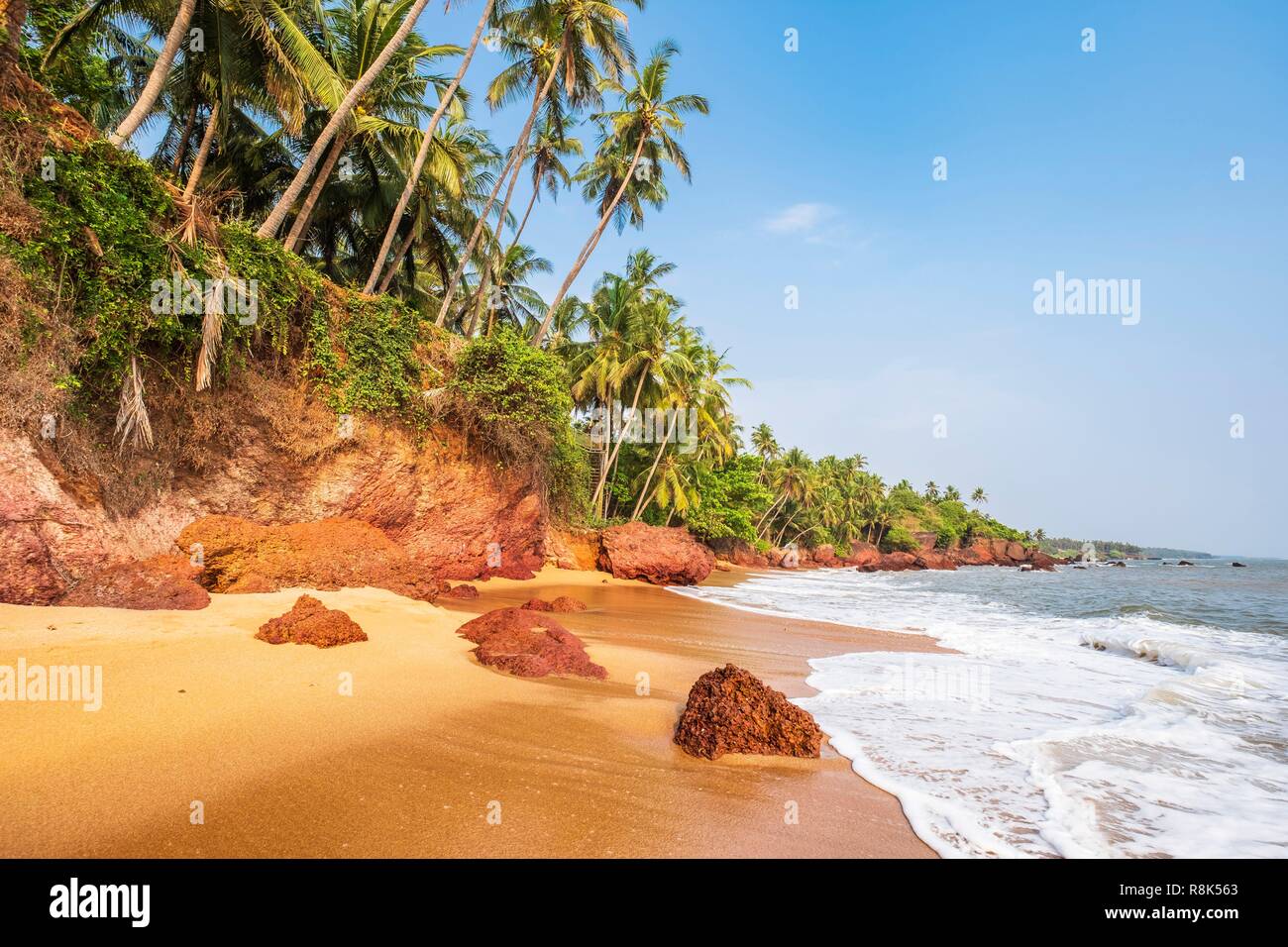
- 01. Overview of Ecuador's Regions
- 02. Complete List of Regions and Provinces
- 03. Costa Region: Provinces and Characteristics
- 04. Sierra Region: Provinces and Characteristics
- 05. Amazonía Region: Provinces and Characteristics
- 06. Insular Region: Galápagos Province
- 07. How Ecuador's Regions Are Organized
- 08. Key Insights Most People Miss
- 09. Frequently Asked Questions
Ecuador is divided into four natural regions-Costa (Coast), Sierra (Highlands), Amazonía (Oriente), and Insular (Galápagos)-which together contain 24 provinces distributed based on geography, climate, and historical development; understanding these regions and their provinces is essential to grasp Ecuador's political organization, biodiversity, and economic activity.
Overview of Ecuador's Regions
The country's territorial organization reflects its geographic diversity, which spans tropical coasts, Andean mountains, Amazon rainforest, and volcanic islands. According to Ecuador's National Institute of Statistics and Census (INEC, 2024), approximately 49% of the population lives in the coastal region, while the Sierra accounts for around 45%, the Amazon for 5%, and the Galápagos less than 1%.

- Costa (Coast): Tropical plains and major ports.
- Sierra (Highlands): Andes mountain range and historic cities.
- Amazonía (Oriente): Rainforest with low population density.
- Insular (Galápagos): Volcanic islands with global ecological significance.
Complete List of Regions and Provinces
The administrative divisions of Ecuador include 24 provinces grouped within the four regions. Each province has a capital city and its own local governance structure established under the 2008 Constitution.
| Region | Provinces | Number of Provinces |
|---|---|---|
| Costa | Esmeraldas, Manabí, Los Ríos, Guayas, Santa Elena, El Oro, Santo Domingo de los Tsáchilas | 7 |
| Sierra | Carchi, Imbabura, Pichincha, Cotopaxi, Tungurahua, Chimborazo, Bolívar, Cañar, Azuay, Loja | 10 |
| Amazonía | Sucumbíos, Napo, Orellana, Pastaza, Morona Santiago, Zamora Chinchipe | 6 |
| Insular | Galápagos | 1 |
Costa Region: Provinces and Characteristics
The coastal region is Ecuador's economic engine, generating over 55% of GDP through agriculture, fishing, and trade, particularly via the port of Guayaquil. Its warm climate supports crops like bananas, cacao, and shrimp farming.
- Guayas: Home to Guayaquil, the largest city and main port.
- Manabí: Known for fishing and gastronomy.
- El Oro: Major banana exporter.
- Esmeraldas: Rich Afro-Ecuadorian culture and oil refining.
- Los Ríos: Agricultural production hub.
- Santa Elena: Coastal tourism and oil extraction.
- Santo Domingo de los Tsáchilas: Key transport and trade corridor.
Historically, the Guayaquil port system has handled nearly 70% of Ecuador's exports as of 2023, making the Costa region vital for international trade.
Sierra Region: Provinces and Characteristics
The Andean highlands stretch north to south and include Ecuador's political capital, Quito, located in Pichincha province. This region is known for its volcanoes, indigenous cultures, and colonial architecture.
- Pichincha: Capital province with Quito.
- Azuay: Cultural center with Cuenca.
- Tungurahua: Industrial and tourism activities.
- Chimborazo: Home to Ecuador's highest peak.
- Imbabura: Textile and artisan industries.
- Loja: Known for music and arts.
- Cotopaxi: Famous for Cotopaxi volcano.
- Carchi, Bolívar, Cañar: Smaller but culturally rich provinces.
According to a 2022 Ministry of Culture report, over 60% of Ecuador's indigenous heritage sites are located in the Sierra, making it central to national identity.
Amazonía Region: Provinces and Characteristics
The Amazon rainforest region covers nearly half of Ecuador's territory but houses less than 5% of its population. It plays a crucial role in biodiversity and oil production.
- Napo: Gateway to the Amazon.
- Pastaza: Largest province by area.
- Orellana: Major oil extraction zone.
- Sucumbíos: Northern oil fields.
- Morona Santiago: Indigenous communities.
- Zamora Chinchipe: Mining and biodiversity.
Environmental studies from 2023 estimate that Ecuador's Amazon contains over 10% of the planet's known species density, making it one of the most biodiverse regions globally.
Insular Region: Galápagos Province
The Galápagos Islands form a single province and are located about 1,000 kilometers off the mainland. They are globally recognized for their role in Charles Darwin's theory of evolution.
- Galápagos: Includes islands such as Santa Cruz, San Cristóbal, and Isabela.
Tourism in the Galápagos province is tightly regulated, with visitor numbers capped at around 275,000 annually to protect fragile ecosystems, according to Ecuador's Ministry of Environment (2024).
How Ecuador's Regions Are Organized
The division into regions reflects both natural geography and administrative convenience, allowing for decentralized governance and regional planning.
- Natural features define each region, such as mountains or coastline.
- Provinces are grouped based on geographic continuity.
- Each province has a capital and local government.
- Regions influence economic specialization and cultural identity.
This structure has evolved since Ecuador's independence in 1830, with provinces gradually added; the most recent, Santo Domingo de los Tsáchilas, was created in 2007, highlighting ongoing territorial adjustments.
Key Insights Most People Miss
Many overlook how Ecuador's regional divisions directly impact daily life, from climate differences to economic opportunities. For example, travel between Quito (Sierra) and Guayaquil (Costa) involves crossing drastic altitude changes within hours.
"Ecuador's regional diversity is not just geographic-it defines culture, economy, and even political priorities," stated geographer Luis Herrera in a 2023 regional planning symposium.
Another overlooked aspect is that the Amazon provinces generate a significant portion of national revenue through oil, yet remain among the least developed regions, creating ongoing policy debates.
Frequently Asked Questions
Expert answers to Regiones Del Ecuador Y Sus Provincias What Most Miss queries
How many regions does Ecuador have?
Ecuador has four regions: Costa, Sierra, Amazonía, and Insular (Galápagos), each defined by distinct geographic and climatic characteristics.
How many provinces are in Ecuador?
Ecuador has 24 provinces distributed across its four regions, each with its own administrative capital and governance system.
Which region has the most provinces?
The Sierra region has the most provinces, with a total of 10, reflecting its extensive geographic span along the Andes mountains.
What is the smallest region in Ecuador?
The Insular region (Galápagos) is the smallest, consisting of a single province but holding global ecological importance.
Why are Ecuador's regions important?
The regions are important because they shape the country's economy, biodiversity, cultural identity, and infrastructure planning, making them essential for governance and development.