Quito Trips That Travelers Regret Skipping Every Time
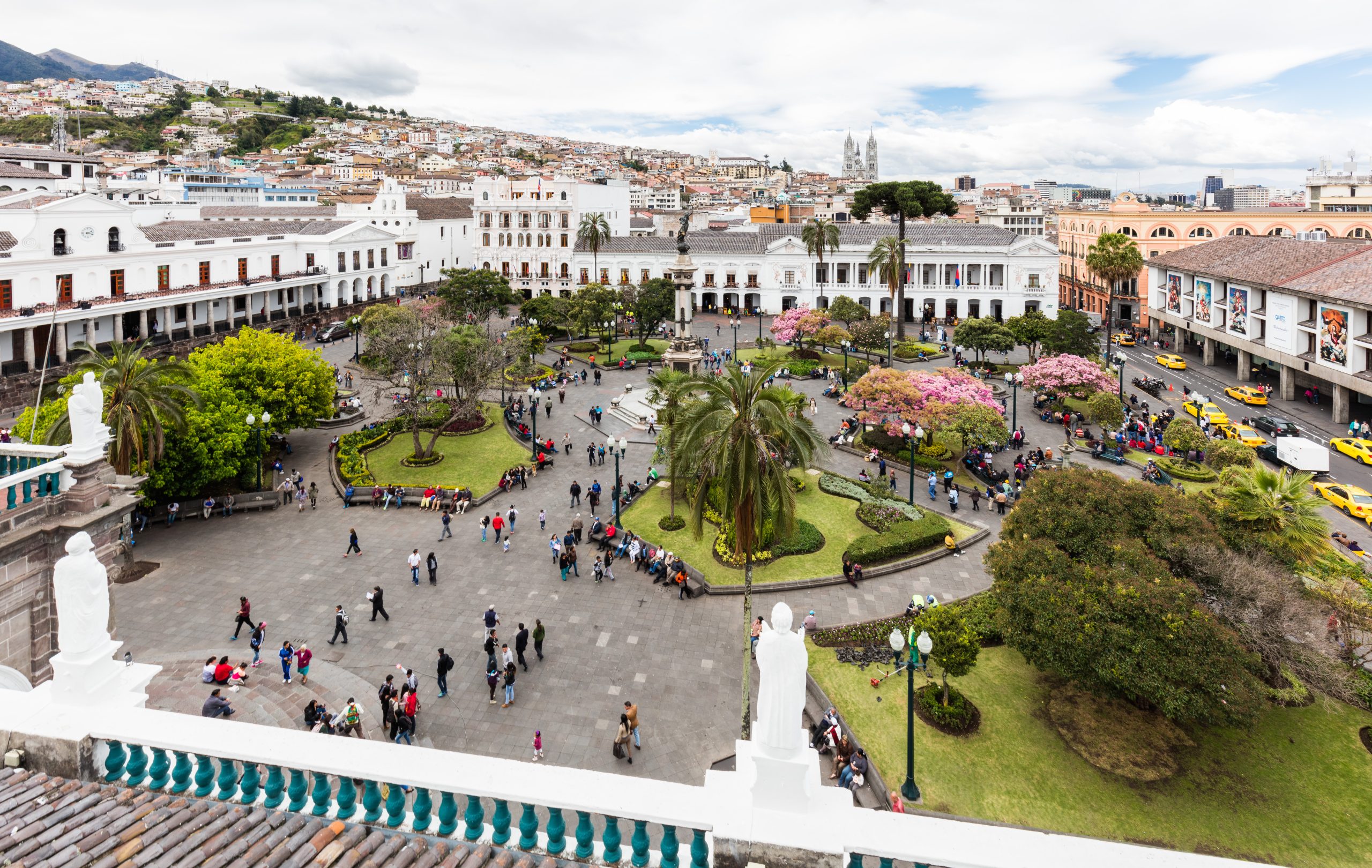
Quito trips: why everyone's suddenly changing plans
Travelers are changing their Quito trips because the city is in the middle of a noticeable reset: airport upgrades are improving arrivals, safety planning matters more than it used to, and high-altitude logistics require smarter pacing than many visitors expect. In practice, that means people are reworking itineraries to add acclimatization time, choose better neighborhoods, and connect Quito with broader Ecuador itineraries instead of treating it like a quick stopover.
What is changing
The biggest immediate shift is at Quito's airport, where Mariscal Sucre International Airport added a new international arrivals area and reported a broader expansion project valued at about USD 74.2 million. Published project updates say the expansion was around 65% complete in late 2025 and aimed to raise annual passenger capacity from 5 million to more than 7 million, which matters for travelers because smoother processing can change how people schedule connections and first-night arrivals.

Travel plans are also being influenced by the city's renewed branding push and by the way travelers now research Quito safety before booking. Several current travel guides describe pickpocketing and opportunistic theft as the main urban risks, especially around busy transit corridors and some central areas, so visitors are increasingly preferring pre-arranged transfers, guided walks, and daytime sightseeing blocks.
Why itineraries are shifting
Quito sits at roughly 2,850 meters, so the city rewards slower pacing more than coastal destinations do, and that has pushed many travelers to build in extra recovery time. The practical result is that a one-night stopover often becomes a two- or three-night stay, because visitors want time to adjust before climbing to viewpoints, taking long walking tours, or heading to even higher-elevation spots like TelefériQo.
Another reason for the shift is that many travelers are now pairing the capital with the rest of the country more deliberately, turning a simple city visit into a staged Ecuador itinerary. That pattern reflects a broader demand for trip designs that use Quito as a gateway to the Andes, the Amazon, Cuenca, Otavalo, Baños, or the Galápagos rather than as a standalone destination.
Planning data
The table below summarizes the most useful planning factors for current Quito travel, based on recent travel updates and destination guidance.
| Factor | What recent sources say | Planning impact |
|---|---|---|
| Airport | New arrivals area; USD 74.2 million expansion; capacity target above 7 million passengers annually. | Better for arrivals, but still worth booking buffer time for connections. |
| Altitude | Quito is about 2,850 meters high, and many guides recommend 2 to 3 days of adjustment. | Front-load easy activities and delay strenuous excursions. |
| Safety | Petty crime is the main concern, especially in crowded areas and on public transport. | Use registered taxis, keep valuables discreet, and avoid late-night wandering. |
| Best pacing | Recent guides favor slow starts, hydrating heavily, and avoiding alcohol before arrival. | Arrive rested and schedule your most active days later in the trip. |
Who is changing plans
Three traveler groups are adjusting the most: first-time international visitors, remote workers building longer stays, and North American and European travelers connecting Quito to multi-stop Ecuador trips. For first-timers, the new arrivals experience and stronger planning guides make the city feel more manageable, but the altitude and urban-safety realities still discourage rushed itineraries.
Business and conference travelers are also adapting, because reliable airport throughput and smoother ground transport can determine whether a short visit stays efficient. Leisure travelers are the most likely to extend the trip, because once they account for acclimatization, the colonial center, museums, and mountain viewpoints, a quick overnight often feels too compressed.
What to do now
Use the Quito planning sequence below if you want a trip that feels safer, calmer, and less rushed.
- Arrive with at least one low-key day planned, especially if you are flying in from sea level.
- Book a transfer or registered taxi before arrival, particularly for late arrivals.
- Keep the first 24 to 48 hours light: short walks, easy meals, and hydration.
- Schedule steep walking routes, cable car rides, and day trips only after acclimatizing.
- Choose neighborhoods and activities with established tourist traffic, and avoid showing valuables in crowded areas.
- Use Quito as a launch point for the rest of Ecuador if you want better value from the flight.
Best timing
Recent destination guidance says June through September is one of the more comfortable windows for visits because of lighter rain and clearer mountain views. That timing is especially useful if your trip includes the historic center, the TelefériQo, or volcano viewpoints, since dry-season conditions make the city's elevation and outdoor logistics easier to handle.
Even outside that window, Quito can work well if you build in flexibility for weather, traffic, and altitude. The key is to stop planning it like a lowland city and start treating it like a high-altitude capital where the first two days matter more than the last two.
Traveler checklist
If you are deciding whether to change your trip plans, these are the practical signals to watch.
- Add a buffer night if you are connecting onward to the Andes, Amazon, or the coast.
- Choose accommodations with easy airport transfer options and strong review histories.
- Plan most sightseeing for daylight hours, especially in central districts.
- Pack for altitude, sun exposure, and cool evenings even when daytime temperatures feel mild.
- Reserve your most active excursion for after acclimatization, not on arrival day.
Historical context
Quito has long been one of South America's most distinctive capitals, but the current wave of changes is about more than scenery. The combination of airport investment, stronger destination branding, and more explicit traveler guidance is making planners think of Quito less as a simple stop and more as a structured high-altitude hub.
"The city works best when travelers give it time," one recent planning guide effectively argues, emphasizing acclimatization, cautious movement, and smart sequencing of activities.
Common questions
What this means
The short version is that Quito trips are being redesigned because the city is now a better-informed, better-connected, but still high-altitude destination that rewards planning. Travelers who adjust for the airport changes, safety realities, and acclimatization needs are the ones most likely to enjoy Quito without friction.
Key concerns and solutions for Quito Trips That Travelers Regret Skipping Every Time
Is Quito still worth visiting now?
Yes, because the city remains one of Ecuador's most rewarding gateways, especially for travelers interested in colonial architecture, mountain scenery, and multi-destination trips. The important change is that successful visits now depend more on pacing, neighborhood choice, and airport-to-hotel logistics than they once did.
Why are people spending longer in Quito?
People are spending longer in Quito because altitude adjustment takes time and the city's best experiences are easier to enjoy after a slow start. The airport improvements also make Quito feel more viable as a main hub rather than a place to rush through.
Is Quito safe for tourists?
Recent travel guidance says Quito is manageable for tourists who use common-sense precautions, but petty theft remains the main concern in crowded or transit-heavy areas. Travelers are increasingly favoring registered transport, discreet valuables, and daylight exploration for exactly that reason.
How many days should I spend there?
A practical minimum is two full nights, while three nights is better if you want proper acclimatization and time for the historic center and a mountain excursion. One-night stopovers are possible, but they are the least comfortable option for most visitors.
What changed at Quito airport?
Recent reports describe a new international arrivals area, a broader terminal expansion, and an investment of about USD 74.2 million. The stated goal is to improve processing and lift annual capacity to more than 7 million passengers.