Pichincha En Ecuador Isn't As Safe As It Looks
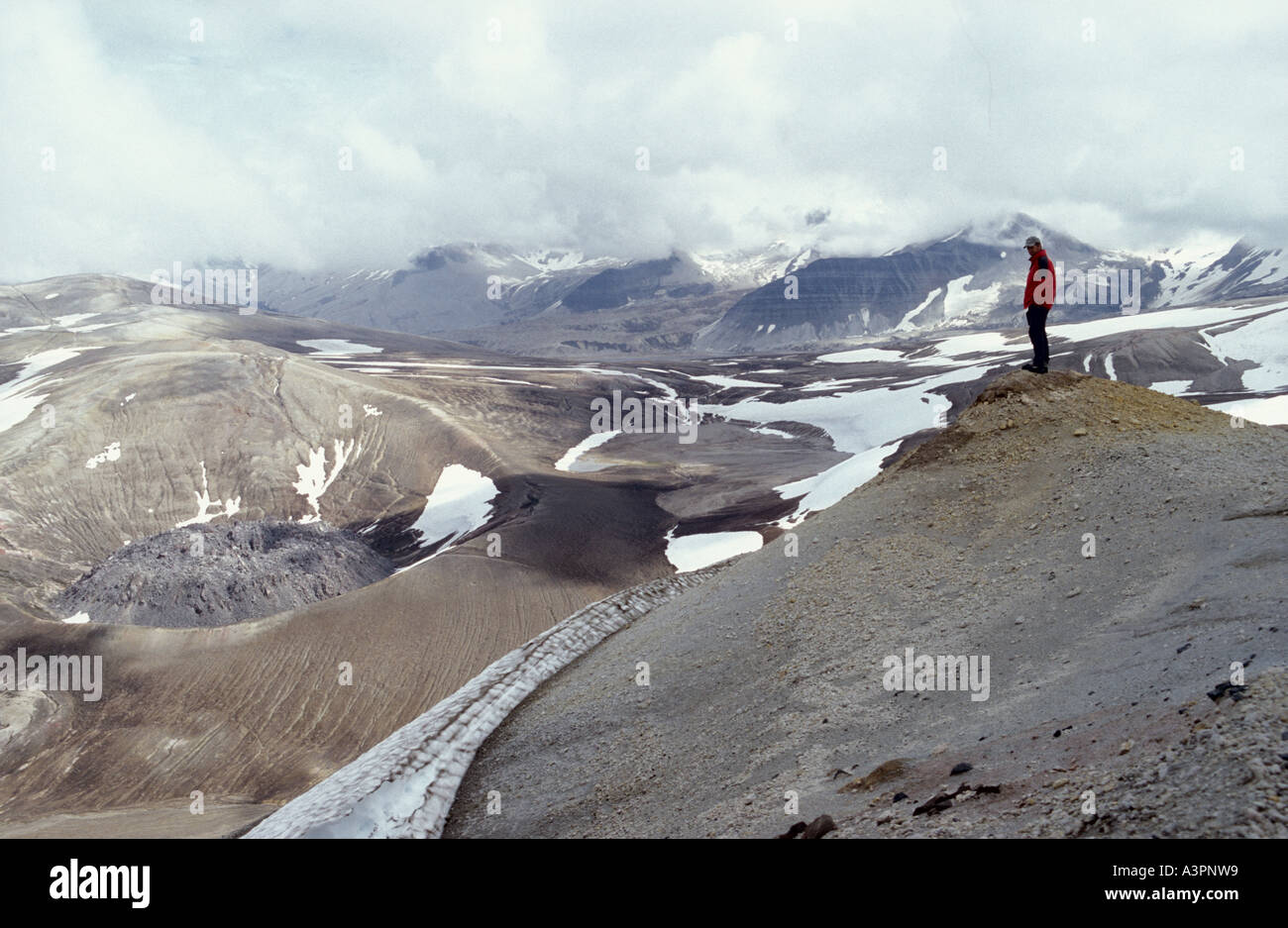
Pichincha in Ecuador
If you are asking about Pichincha province, the short answer is that it is one of Ecuador's most important and usually more stable regions, but it is not "safe" in an absolute sense; the capital area around Quito still faces theft, scams, altitude hazards, and weather-related risks, especially on mountain routes such as Rucu Pichincha. Travel guidance also warns that accidents and even deaths have occurred on the Pichincha volcano trail, including from hypothermia and lightning exposure.
What Pichincha is
Pichincha province sits in Ecuador's Andean highlands and includes Quito, the national capital, which makes it politically, economically, and logistically central to the country. Compared with Ecuador's coastal provinces, the highlands have generally had lower homicide rates, but that does not eliminate everyday urban crime or mountain travel risks.

The phrase "Pichincha en Ecuador" can refer either to the province itself or to the mountain and volcanic area west of Quito, and the meaning matters because the risk profile is different for each. In the city, the main concerns are opportunistic crime and transport safety, while on the volcano and trail systems the main concerns are altitude sickness, cold, fog, storms, and getting lost.
Why safety looks better than it is
Quito's image as a major capital can create the impression that the surrounding area is uniformly secure, but that is misleading. National and international travel guidance highlights theft, taxi-related crime, and outdoor hazards, while also noting that Ecuador's security situation has worsened in recent years because of organized crime pressures in the country overall.
"Watch the weather and reconsider your plans if conditions look bad," is the practical guidance given for Pichincha volcano travel, and that advice is as relevant as any crime warning because the mountain can become dangerous very quickly.
Core risks
Street crime is the most common issue visitors encounter in and around Quito, especially in transit corridors, isolated streets, and when using informal transport. Travel advice warns that criminals may pose as drivers, target taxi passengers, or force victims to withdraw money from ATMs, so transport choices matter as much as the neighborhood itself.
- Petty theft, including phone and bag snatching, is the most likely day-to-day threat in busy areas.
- Taxi scams and ride-hail impersonation can expose travelers to robbery or extortion.
- Altitude sickness is a serious issue because Cruz Loma on the Pichincha route is around 4,050 meters above sea level.
- Cold exposure can become life-threatening when hikers underestimate wind, rain, or rapid temperature drops.
- Lightning and fog are real mountain hazards, and authorities specifically warn that lightning has killed climbers on Pichincha.
Risk by area
Different parts of Pichincha have different safety profiles, and travelers should not treat the whole province as one uniform destination. Quito's tourist and business districts are generally more manageable with normal caution, while the volcano trails and remote edges of the province require hiking judgment, weather awareness, and local knowledge.
| Area | Main risk | Typical traveler concern | Practical caution |
|---|---|---|---|
| Central Quito | Petty theft and taxi scams | Phone theft, bags, money withdrawal pressure | Use trusted transport and avoid isolated streets at night |
| Tourist districts | Opportunistic crime | Pickpocketing near crowds or attractions | Keep valuables concealed and stay alert |
| Teleférico / Cruz Loma | Altitude and weather exposure | Shortness of breath, headache, sudden cold | Dress warmly, acclimatize, and monitor weather |
| Rucu Pichincha trails | Hypothermia, lightning, route loss | Hiking accidents in unstable conditions | Go early, use a guide, and turn back if conditions worsen |
How risky is it statistically?
Pichincha province is not the deadliest part of Ecuador, and highland provinces have generally recorded lower homicide rates than the coastal belt. At the same time, Ecuador overall has been dealing with a much sharper security crisis since the late 2010s, so lower regional violence does not equal low risk for visitors.
For context, Ecuador's homicide rate was 12.4 per 100,000 in 2012 and dropped to 8.23 per 100,000 in 2014, before rising again in later years as organized crime expanded. That long arc matters because many travelers still remember the calmer Ecuador of the 2010s, even though today's environment is more complicated and more uneven by province.
Historical context
Pichincha volcano is historically important because it is tied to Quito's geography and identity, but tourism infrastructure does not erase risk. The high-altitude cable car route and surrounding peaks have become popular day trips, yet official advice still emphasizes helmets, waterproof clothing, an accredited guide, and an early start to reduce exposure to storms and sudden weather changes.
Ecuador's security landscape has changed rapidly over the last few years, especially outside the Andes, and that wider instability affects traveler confidence even in places that remain comparatively calmer. The IMF has noted that the coast is worst affected by the security crisis, while the highlands, including Pichincha, have considerably lower homicide rates than the national hotspots.
What to do safely
Smart planning reduces most of the risk in Pichincha, especially if you are visiting Quito or hiking near the volcano. The most useful approach is to combine urban caution with mountain discipline, because a traveler can face both pickpockets downtown and hypothermia on the same trip.
- Use registered transport and avoid accepting rides from strangers.
- Keep your phone, passport, and cash split up and concealed.
- Start Pichincha hikes early and check cloud cover before leaving.
- Carry warm layers, waterproof gear, water, and sun protection.
- Acclimatize to altitude before hard exertion near 4,000 meters.
- Turn back quickly if fog, rain, thunder, or dizziness appears.
Who should be most careful
First-time visitors, solo travelers, and people arriving from sea level are the groups most likely to underestimate Pichincha's risks. That includes people who assume a capital city means urban security and people who treat a high mountain trail like a normal scenic walk.
Families with children, older travelers, and anyone with heart or respiratory conditions should be especially careful around altitude, because the combination of thin air and sudden weather changes can make a short outing difficult. The same is true for visitors who are not used to hiking at altitude and may be tempted to push on too far after starting from the cable car station.
Bottom line
Pichincha in Ecuador is worth visiting, but it should be treated as a place that requires preparation rather than blind trust. In practical terms, the province is often safer than Ecuador's coastal hotspots, yet the real risks are still serious enough to demand caution: crime awareness in Quito, transport discipline, and mountain safety on the Pichincha slopes.
Key concerns and solutions for Pichincha En Ecuador Isnt As Safe As It Looks
Is Pichincha safe for tourists?
Yes, but only with ordinary city caution and specific mountain precautions; the main threats are petty crime in Quito and weather or altitude hazards on the volcano routes.
Is Quito in Pichincha dangerous?
Quito is not uniquely dangerous by regional standards, but visitors still need to watch for theft, taxi scams, and isolated areas, especially at night.
Can you hike Rucu Pichincha safely?
Yes, if you go early, dress for cold and rain, use a qualified guide if needed, and turn back when the weather deteriorates; accidents have occurred there, including deaths from hypothermia and lightning.
What is the biggest risk in Pichincha?
The biggest risk depends on where you are: in Quito it is usually opportunistic crime, while on the mountain it is altitude, cold, fog, and storm exposure.