Paraguay Weather By Month: The Month-by-month Guide You Need
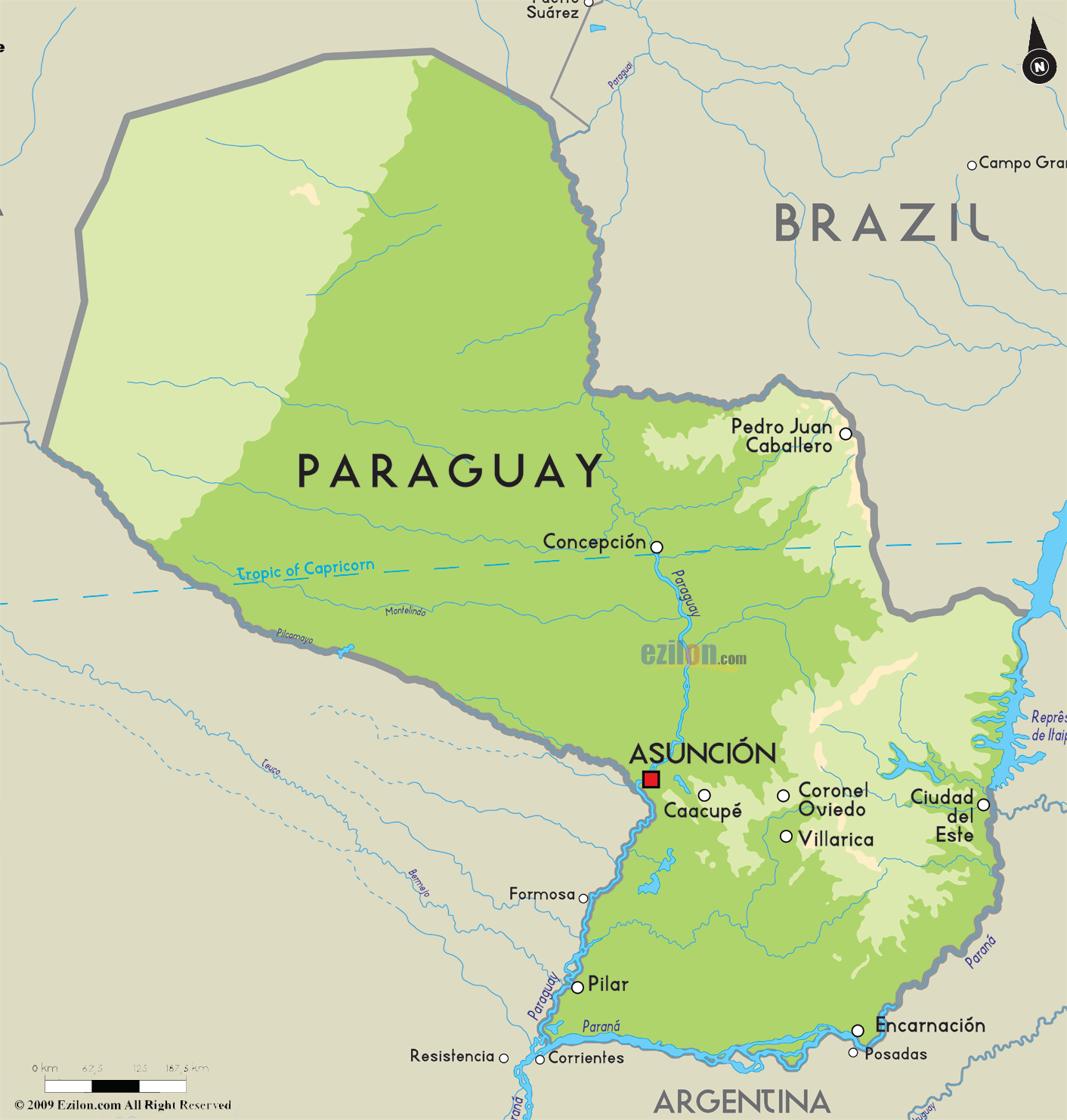
Paraguay's climate follows a clear seasonal pattern shaped by its subtropical geography, with hot, humid summers (December-February), mild and variable winters (June-August), and transitional spring and autumn periods marked by shifting rainfall and temperature swings. Average temperatures range from about 17°C (63°F) in winter months to 33°C (91°F) in peak summer, while annual rainfall averages 1,200-1,600 mm, with the wettest months typically between October and April.
Monthly Weather Overview
The monthly climate profile of Paraguay varies more by rainfall and humidity than extreme cold, with the eastern region (including Asunción) generally wetter than the western Chaco. According to Paraguay's Dirección de Meteorología e Hidrología, 2023 data showed January averaging 29°C nationwide, while July averaged closer to 18°C.

| Month | Avg Temp (°C) | Rainfall (mm) | Weather Pattern |
|---|---|---|---|
| January | 28-33 | 140 | Hot, humid, thunderstorms |
| February | 27-32 | 130 | Very hot, occasional storms |
| March | 25-30 | 120 | Cooling slightly, humid |
| April | 22-28 | 110 | Mild, less rainfall |
| May | 18-25 | 90 | Cooler, drier |
| June | 15-23 | 60 | Cool, dry, occasional cold fronts |
| July | 14-22 | 50 | Coolest month, dry |
| August | 16-25 | 60 | Warming up, windy |
| September | 18-28 | 90 | Spring storms begin |
| October | 21-30 | 130 | Hotter, frequent storms |
| November | 24-32 | 140 | Humid, stormy |
| December | 26-34 | 150 | Peak heat, high humidity |
Seasonal Breakdown
The seasonal weather cycle in Paraguay aligns with the Southern Hemisphere, meaning summer spans December through February, while winter occurs from June to August. Unlike temperate regions, temperature variation is moderate, but rainfall variability plays a major role in daily conditions.
- Summer (Dec-Feb): High humidity, frequent thunderstorms, average highs above 30°C.
- Autumn (Mar-May): Gradual cooling, reduced rainfall, comfortable temperatures.
- Winter (Jun-Aug): Mild days, cool nights, occasional cold fronts from Argentina.
- Spring (Sep-Nov): Rapid warming, increasing rainfall, volatile weather patterns.
Month-by-Month Details
January weather conditions are dominated by intense heat and humidity, with temperatures often exceeding 35°C during heatwaves. Afternoon thunderstorms are common, accounting for roughly 12-15 rainy days on average.
February climate trends continue the summer pattern, though late-month cold fronts can briefly drop temperatures by 5-8°C. Meteorologists recorded a notable February 2022 cold surge that lowered Asunción's temperature to 18°C overnight.
March seasonal shift marks the transition toward autumn, with slightly cooler evenings and less frequent storms. Humidity remains high, making it feel warmer than actual readings suggest.
April weather patterns are widely considered among the most pleasant, with moderate temperatures and lower rainfall. Agricultural activity increases during this stable period.
May temperature drop introduces cooler mornings, sometimes dipping below 15°C in southern regions. Rainfall decreases significantly compared to summer months.
June winter onset brings dry air and occasional "surazos," cold winds originating from the south that can cause sudden temperature drops within hours.
July coldest period typically sees the lowest annual temperatures, though frost is rare and snowfall is virtually nonexistent in recorded Paraguayan climate history.
August wind patterns intensify, especially in the Chaco region, where dry conditions can contribute to dust storms and wildfire risk.
September spring transition sees rapidly rising temperatures and the return of convective storms, often accompanied by lightning and short bursts of heavy rain.
October rainfall increase marks the beginning of the wet season, with precipitation totals rising sharply. Thunderstorms can be severe but are usually short-lived.
November humidity surge creates muggy conditions, with heat indices frequently exceeding 40°C during peak afternoons.
December peak summer heat combines high temperatures with frequent rainfall, creating lush vegetation but also increasing flood risk in low-lying areas.
Key Climate Statistics
The national climate averages highlight Paraguay's relatively stable but humid environment. According to regional climate assessments published in 2024, extreme weather events have become slightly more frequent over the past decade.
- Average annual temperature: 24.5°C nationwide.
- Average annual rainfall: 1,350 mm in eastern Paraguay, 900 mm in the Chaco.
- Hottest recorded temperature: 42.8°C (November 2019, Chaco region).
- Coldest recorded temperature: -1.2°C (July 2000, Encarnación).
- Average humidity: 70-85% year-round.
Regional Differences
The east-west climate divide significantly influences Paraguay's weather patterns. Eastern Paraguay experiences more rainfall and vegetation, while the western Chaco is hotter and drier, with more extreme temperature swings.
In Asunción, annual rainfall averages around 1,400 mm, while the Chaco may receive less than 1,000 mm, leading to stark differences in agriculture and daily life. A 2023 report by Paraguay's Ministry of Environment noted that drought conditions in the Chaco lasted 18 consecutive months in some areas.
Travel and Planning Tips
The best time to visit Paraguay depends on comfort preferences rather than extreme seasonal differences. Most travelers prefer April through September for milder temperatures and lower humidity.
- Pack lightweight, breathable clothing for most of the year.
- Prepare for sudden storms during spring and summer.
- Use sun protection year-round due to high UV index levels.
- Expect mosquitoes in humid months, especially near rivers.
Frequently Asked Questions
What are the most common questions about Paraguay Weather By Month The Month By Month Guide You Need?
What is the best month to visit Paraguay?
April and May are widely considered the best months due to mild temperatures, lower humidity, and reduced rainfall, making outdoor activities more comfortable.
Does Paraguay have a rainy season?
Yes, Paraguay's rainy season typically runs from October through April, with peak rainfall occurring between November and January.
How cold does Paraguay get in winter?
Winter temperatures can drop to around 10-15°C at night, with rare դեպ occurrences near freezing in southern regions, but daytime temperatures usually remain mild.
Is Paraguay weather humid year-round?
Humidity remains relatively high throughout the year, averaging between 70% and 85%, though it is most noticeable during summer months.
Are there extreme weather events in Paraguay?
Paraguay occasionally experiences heatwaves, strong thunderstorms, and cold fronts known as "surazos," but large-scale extreme events like hurricanes are absent due to its inland location.