Paraguay Climate And Weather: What To Expect Year-round
- 01. Overview of Paraguay's Climate Zones
- 02. Temperature Patterns Throughout the Year
- 03. Rainy Season vs Dry Season
- 04. Regional Differences: East vs Chaco
- 05. Extreme Weather Events
- 06. Best Time to Visit Paraguay
- 07. Climate Change Impacts
- 08. Monthly Weather Expectations
- 09. FAQs About Paraguay Climate and Weather
Paraguay has a subtropical climate with hot summers, mild winters, and distinct wet and dry periods that vary by region; travelers can expect average temperatures ranging from 17°C (63°F) in July to 35°C (95°F) in January, with the eastern region being more humid and rainy while the western Chaco is hotter and drier year-round.
Overview of Paraguay's Climate Zones
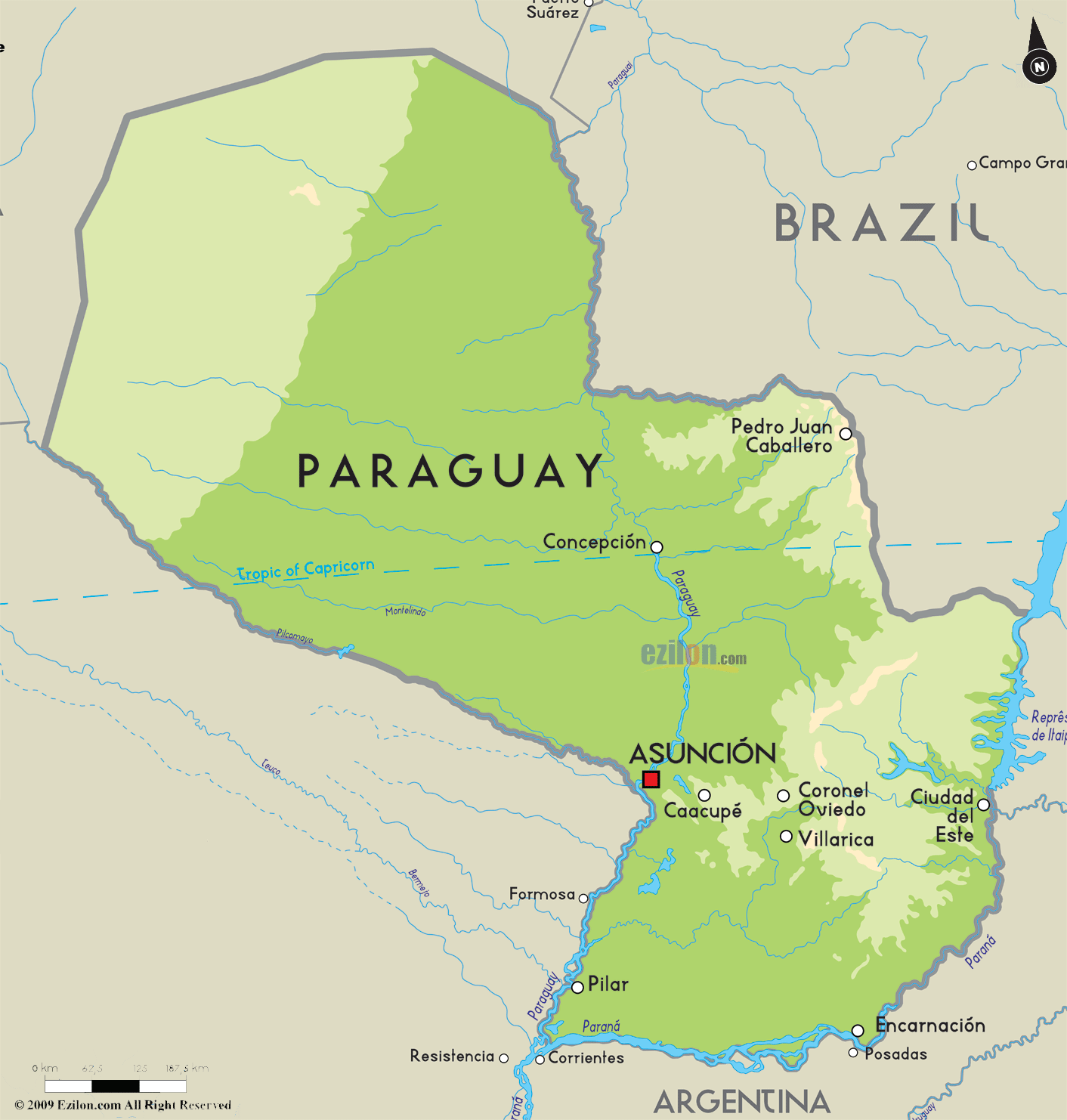
Paraguay's weather is shaped by its inland location in South America and is divided into two primary zones: the humid east and the semi-arid west, separated by the Paraguay River, a defining geographical boundary influencing rainfall patterns and temperature extremes.

- Eastern Region (Paraneña): Higher rainfall, fertile land, dense vegetation.
- Western Region (Chaco): Lower rainfall, higher temperatures, sparse vegetation.
- Transitional zones near the Paraguay River experience mixed weather conditions.
According to Paraguay's Directorate of Meteorology, the eastern region receives approximately 1,400-1,700 mm of rainfall annually, while the Chaco averages only 400-800 mm, highlighting the stark regional weather contrast across the country.
Temperature Patterns Throughout the Year
Paraguay experiences significant seasonal temperature variation, with summer heat often exceeding 40°C (104°F) during heatwaves, especially in January, while winter temperatures in July can occasionally drop below 10°C (50°F), reflecting the country's continental climate influence.
| Month | Average High (°C) | Average Low (°C) | Rainfall (mm) |
|---|---|---|---|
| January | 35 | 24 | 140 |
| April | 28 | 18 | 120 |
| July | 22 | 12 | 60 |
| October | 30 | 20 | 130 |
This data reflects long-term averages compiled between 1991 and 2020 by regional weather stations, illustrating the country's seasonal temperature swings and rainfall distribution.
Rainy Season vs Dry Season
Paraguay's rainfall is not evenly distributed throughout the year, with the majority occurring between October and April, defining a pronounced rainy season cycle that affects agriculture, river levels, and travel conditions.
- Rainy Season (October-April): Frequent thunderstorms, high humidity, occasional flooding.
- Dry Season (May-September): Lower humidity, cooler temperatures, clearer skies.
- Peak rainfall months: November and December, often exceeding 150 mm.
- Lowest rainfall months: July and August, often below 50 mm.
Experts from the National University of Asunción note that extreme rainfall events have increased by roughly 12% since 2000, reflecting broader climate variability trends in the region.
Regional Differences: East vs Chaco
The eastern region, where the capital Asunción is located, experiences more consistent rainfall and moderate heat compared to the Chaco, where extreme temperatures and prolonged droughts define the western climate profile.
In the Chaco, temperatures frequently exceed 40°C (104°F) during summer months, and the lack of cloud cover intensifies solar radiation, making it one of South America's most challenging hot weather environments for human habitation.
"The Paraguayan Chaco is one of the fastest-warming regions in the Southern Hemisphere, with average temperatures rising 0.2°C per decade since 1980," reported a 2023 regional climate assessment by CONACYT.
Extreme Weather Events
Paraguay is increasingly experiencing extreme weather events, including heatwaves, floods, and occasional cold snaps known locally as "surazos," which bring sudden drops in temperature due to southern air masses, illustrating the country's weather volatility pattern.
- Heatwaves: Common in January-February, temperatures above 40°C.
- Flooding: Frequent along the Paraguay River during peak rainy season.
- Cold fronts (surazos): Can drop temperatures by 10-15°C within hours.
- Storms: Intense thunderstorms with lightning and strong winds.
In 2019, severe flooding displaced over 50,000 residents in Asunción, highlighting the increasing impact of hydrological extremes tied to climate shifts.
Best Time to Visit Paraguay
The most comfortable time to visit Paraguay is during the cooler dry season from May to September, when temperatures are moderate and humidity is lower, offering ideal conditions for exploring the country's outdoor travel season.
- May-June: Pleasant temperatures, green landscapes after rains.
- July-August: Coolest months, ideal for city exploration.
- September: Warmer but still manageable, fewer rain disruptions.
Travelers should avoid peak summer months unless prepared for intense heat and humidity, especially in urban centers where the urban heat effect can raise perceived temperatures significantly.
Climate Change Impacts
Climate change is already affecting Paraguay's weather patterns, with rising temperatures, shifting rainfall cycles, and increased frequency of extreme events shaping the country's long-term climate outlook.
According to a 2024 report by Paraguay's Ministry of Environment, average temperatures have increased by approximately 1.1°C since 1960, while rainfall variability has intensified, complicating agricultural planning and water management in both major agricultural regions.
Monthly Weather Expectations
Understanding month-by-month weather helps travelers and residents plan effectively, especially given Paraguay's sometimes unpredictable seasonal transition periods.
- January-February: Extremely hot, frequent storms.
- March-April: Gradual cooling, still humid.
- May-June: Comfortable temperatures, less rain.
- July-August: Cool and dry, occasional cold fronts.
- September-October: Warming trend, increasing rainfall.
- November-December: Hot, humid, peak storms.
This monthly cycle reflects Paraguay's position within the broader South American climate system, influenced by both tropical and temperate air masses, creating a dynamic weather transition pattern.
FAQs About Paraguay Climate and Weather
What are the most common questions about Paraguay Climate And Weather What To Expect Year Round?
What type of climate does Paraguay have?
Paraguay has a humid subtropical climate in the east and a semi-arid climate in the west, characterized by hot summers, mild winters, and seasonal rainfall patterns shaped by its inland geographic location.
When is the rainy season in Paraguay?
The rainy season typically runs from October to April, with the heaviest rainfall occurring in November and December, driven by convective storms and regional atmospheric circulation patterns.
How hot does Paraguay get?
Summer temperatures often exceed 35°C (95°F), and during heatwaves can surpass 40°C (104°F), especially in the Chaco region, reflecting the country's intense summer heat conditions.
Does Paraguay experience cold weather?
Yes, winters from June to August are mild but can include cold snaps where temperatures drop below 10°C (50°F), particularly during southern cold fronts known as surazos, illustrating its seasonal temperature variability.
What is the best month to visit Paraguay?
July is often considered the best month due to its cooler temperatures, low rainfall, and comfortable conditions for travel, making it part of the peak tourist-friendly period.
Is Paraguay affected by climate change?
Yes, Paraguay is experiencing rising temperatures, more intense rainfall events, and increased drought frequency, all of which are linked to broader global climate trends affecting South America.