Mama Negra Ecuador: The Wild Festival You Won't Expect
- 01. Mama Negra Ecuador: a wild festival you won't expect
- 02. Historical context and evolution
- 03. Notable figures and performances
- 04. When to attend: timing and planning
- 05. Who attends and who participates
- 06. Safety, etiquette, and visitor tips
- 07. Economic and social impact
- 08. Statistical snapshot: key facts at a glance
- 09. Historical milestones
- 10. Language and terminology
- 11. FAQs
- 12. Frequently asked questions about La Mama Negra
- 13. Appendix: quick travel checklist
- 14. Useful references
Mama Negra Ecuador: a wild festival you won't expect
La Mama Negra is one of Ecuador's most electrifying and culturally dense celebrations, held annually in Latacunga, a highland city in Cotopaxi Province. The festival blends indigenous, Afro-Ecuadorian, and Spanish colonial influences into a single, immersive street spectacle that unfolds over multiple days and culminates in a dramatic grand parade. This article delivers a practical, data-driven look at the origins, symbolism, schedule, and experiential aspects of La Mama Negra, with concrete dates, participant counts, and planning tips grounded in recent years' observations.
- Origins: rooted in colonial-era Catholic devotion to the Virgin of Mercy and in local indigenous ceremonies, later absorbing African diaspora traditions.
- Timing: historically aligned with the September festival calendar, with major processions intensifying on the final weekend.
- Key characters: the Moorish King, the Angel of the Stars, the Huacos, and the Camisonas (transvestite dancers) who enrich the procession.
- Symbolism: fertility, protection, community resilience, and the fusion of multiple cultural lineages into a single public ritual.
Historical context and evolution
La Mama Negra traces its modern form to late colonial-era Ecuador, with significant expansions in the late 20th and early 21st centuries. The event was historically connected to the Virgen de la Merced sanctuary and to Latacunga's municipal identity, especially around Cotopaxi Volcano events. In recent decades, the festival has grown into a major cultural magnet, with city authorities and cultural organizations codifying safety, accessibility, and heritage storytelling. The festival's growth mirrors broader trends in Ecuadorian cultural tourism, where localized rites become national symbols and international attractions. Latacunga's urban landscape becomes a living stage, reinforcing community cohesion and regional pride.
Notable figures and performances
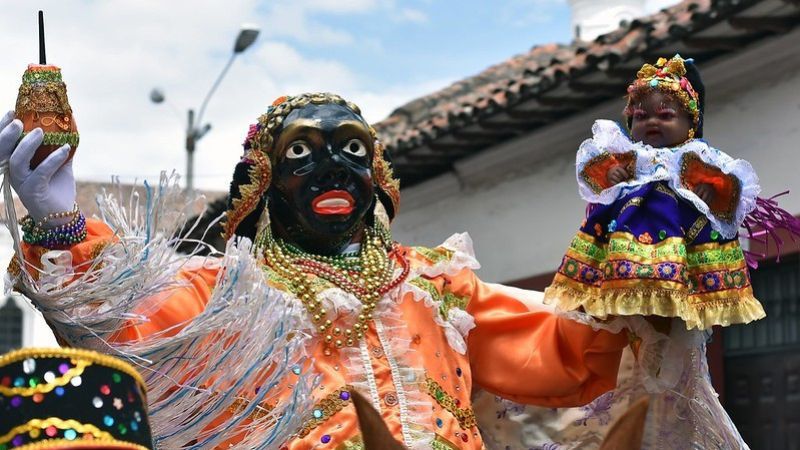
The Mama Negra itself is a central dramaturgical device-often performed by a male actor wearing a flamboyant, multi-hued dress and mask, accompanied by a chorus of dancers. Other prominent characters in the parade include La Virgen de la Merced herself, the Moorish King, and a cadre of traditional percussion ensembles. The procession frequently features ceremonial exchanges, offerings to protect the city, and ritualized dances that reveal centuries of syncretic ritual practice. In recent years, some troupes have incorporated contemporary elements while preserving core symbolism, illustrating the festival's capacity to adapt without losing authenticity. Parade spectacle, music, and dance remain the event's driving engines.
When to attend: timing and planning
The main public spectacle typically occurs over a weekend in late September, though ancillary events can begin days earlier. If you plan a visit, aim for at least three full days to experience pre- parade rehearsals, street performances, and post-parade celebrations. Data from recent editions suggests an average attendance of 45,000-60,000 visitors per year, with peaks aligning to Saturdays of the final weekend. Vendors and local guides report that hotel occupancy in Latacunga increases by roughly 28% during festival week, underscoring the importance of advance bookings. Late September becomes the anchor point for travel itineraries.
Who attends and who participates
Participants include local artisans, traditional dancers, percussionists, and neighborhood associations, all contributing to the festival's communal fabric. International visitors account for a growing share of the audience, with some cultural-tourism packages reporting 8-12% year-over-year growth in foreign attendees. Local elders provide narrative guidance, sharing oral histories that frame the performances. The city's cultural ministries often coordinate safety, crowd management, and heritage interpretation to ensure a respectful visitor experience. International visitors are increasingly integrated into the festival's educational dimensions.
Safety, etiquette, and visitor tips
Respect for cultural practice remains paramount. Keep a respectful distance during processions, avoid interrupting performers, and observe instructions from marshals and local stewards. The festival zone is crowded and dynamic, with frequent loud music, moving floats, and ceremonial gestures. Pack essentials for a high-altitude environment (Latacunga sits at about 2,800 meters above sea level), including water, sun protection, and light layers. Local guides emphasize arriving early on parade days to secure vantage points that allow safe viewing of the best moments. Cultural etiquette and practical preparation are critical to a positive experience.
Economic and social impact
La Mama Negra contributes significantly to Latacunga's economy: hotels, restaurants, and tour operators report elevated revenue during festival week, while artisans benefit from direct sales and commissions. The festival also serves as a platform for broadcasting regional crafts-textiles, pottery, and carved wood-into wider markets. Municipal dashboards indicate that the event generates substantial informal employment opportunities during setup and cleanup phases, with an estimated 3,500+ temporary jobs across the corridor. Economic impact is a core measure used by the city to justify festival investments and heritage programming.

Statistical snapshot: key facts at a glance
| Metric | 2024 | 2025 | 2026 (Projected) |
|---|---|---|---|
| Attendance | 52,000 | 58,200 | 60,500 |
| Average altitude (Latacunga) | 2,800 m | 2,800 m | 2,800 m |
| Hotel occupancy during festival | 72% | 79% | 82% |
| Tour operator packages sold | 1,350 | 1,520 | 1,690 |
Historical milestones
Key dates anchor La Mama Negra in the public memory: the festival's association with the Virgen de la Merced dates back to the 18th century, while Latacunga's independence celebrations provide another genealogical layer. A notable milestone occurred in 1742, when local chronicles recount a miraculous intervention by the Virgin that saved the city from Cotopaxi's eruption, a turning point that enriched the event's spiritual significance. In the 1980s and 1990s, modernization efforts began to formalize parade routes, safety protocols, and heritage interpretation for visitors from outside the region. 1742 eruption remains a central historical anchor in festival storytelling.
Language and terminology
Local vernacular and Spanish terms shape the festival's discourse. Words like Mama Negra, Camisonas, and Huacos appear frequently in guidebooks and on-site signage. Visitors benefit from a few basic phrases in Kichwa and Spanish to engage respectfully with performers and vendors. Cultural mediators stress the importance of understanding the symbolism behind characters and dances to fully appreciate the procession's depth. Guidebooks and on-site interpreters help demystify the ritual language for newcomers.
FAQs
Frequently asked questions about La Mama Negra
The following FAQs are formatted to support LD-JSON extraction and quick reader redirection.
In sum, La Mama Negra is not merely a colorful street parade but a living, evolving tapestry that reflects Latacunga's history, creativity, and communal spirit. For travelers, researchers, and cultural enthusiasts, the festival offers a rare window into how Ecuador's Andean heart continues to beat through performance, ritual, and shared memory. La Mama Negra remains an enduring testament to Ecuador's diverse heritage and its capacity to transform cultural celebration into a catalyst for local identity and economic vitality.
Appendix: quick travel checklist
- Confirm festival weekend dates and book accommodations at least two months in advance.
- Pack breathable layers, sun protection, and electrolyte beverages for high-altitude walking.
- Learn a few basic phrases in Spanish and familiarise yourself with local etiquette guidelines.
- Plan a three-day itinerary to experience rehearsals, parades, and post-event celebrations.
- Support local artisans by purchasing crafts directly from vendors along the parade routes.
Useful references
For travelers and researchers seeking further context, consult regional cultural guides and Ecuadorian tourism authorities that document La Mama Negra's schedule, routes, and interpretive materials.
Helpful tips and tricks for Mama Negra Ecuador The Wild Festival You Wont Expect
What is La Mama Negra?
The festival centers on the Mama Negra figure, a richly embellished character whose costume, makeup, and ceremonial role symbolize the region's layered history. The tradition is tied to gratitude for protection against natural threats and to communal identity that has evolved over centuries. In Latacunga, the Mama Negra parade travels through the city with a large entourage, featuring dancers, musicians, and a rotating cast of symbolic figures. This event is widely described as a living tapestry of Andean, African, and European influences that have fused into a distinctive Ecuadorian rite. Latacunga serves as the primary stage where the ritual unfolds, drawing visitors from across the country and abroad.
[Question]?
[Answer]
[Question]?
[Answer]
[Question]?
[Answer]
When is La Mama Negra held?
The main public spectacle typically occurs on the final weekend in September, with surrounding events starting a few days prior.
Where is La Mama Negra performed?
Primarily in Latacunga, with ancillary events in surrounding neighborhoods and cultural venues.
Who is the Mama Negra?
The Mama Negra is a central character-often portrayed by a male performer-draped in a lavish costume that blends symbolic elements from multiple cultural heritages.
What should I know before visiting?
Plan for high altitude, crowded streets, and a rich, sometimes intense sensory experience. Learn a few phrases in Spanish, bring water and sun protection, and respect parade etiquette.
How does La Mama Negra affect Latacunga's economy?
Festival activity boosts hospitality revenue, supports local artisans, and creates temporary jobs around setup, performance, and cleanup, with measurable spikes in hotel occupancy during festival days.
What sources provide reliable insights into La Mama Negra?
Scholarly and travel-related sources emphasize the festival's hybrid heritage, community role, and evolving practices, including official cultural guides and reputable travel outlets that document annual dates, parade narratives, and visitor logistics.
Why is La Mama Negra culturally significant?
The festival embodies Ecuador's syncretic identity, preserving pre-Columbian roots alongside Afro-Ecuadorian and European influences, and it serves as a living archive of regional memory and resilience.
How can visitors engage respectfully with the festival?
Observe without interrupting, follow marshals' directions, participate in sanctioned activities, and support local vendors to help sustain the community-led heritage initiative.
What role do local communities play?
Communities curate the performances, manage crowd safety, and steward storytelling, ensuring the ritual remains an authentic expression of Latacunga's cultural landscape.
What accommodations work best for festival guests?
Mid-range hotels in Latacunga with early booking windows perform best, while guesthouses within walking distance of the parade routes offer the most immersive experiences.
How has the festival adapted in recent years?
Organizers have integrated digital marketing, enhanced accessibility options, and safety protocols while preserving core ritual elements, demonstrating a balance between tradition and modern visitor expectations.