Is Quito Safe Right Now? Here's What Travelers Should Know

Quito is generally safe for most travelers right now if you stay in the better-trafficked parts of the city, avoid late-night solo movement, and use disciplined urban precautions; however, the overall risk level is not low, because Ecuador remains under a U.S. State Department Level 2 advisory for crime, unrest, terrorism, and kidnapping, and the embassy has also warned about demonstrations and heightened security measures this year. [web:14][page:1][web:15]
What "safe right now" means in Quito
For an informed traveler, the right question is not whether Quito is universally safe, but whether it is safe enough for your itinerary. The answer is yes for many visitors who stay in central, well-patrolled districts and keep a low profile, but no if you plan to move around casually at night, rely on street taxis, or wander into isolated neighborhoods. Recent travel guidance describes Quito as a mixed-risk capital where opportunistic theft is common and demonstrations can disrupt movement without much warning. [web:14][web:15][web:1]
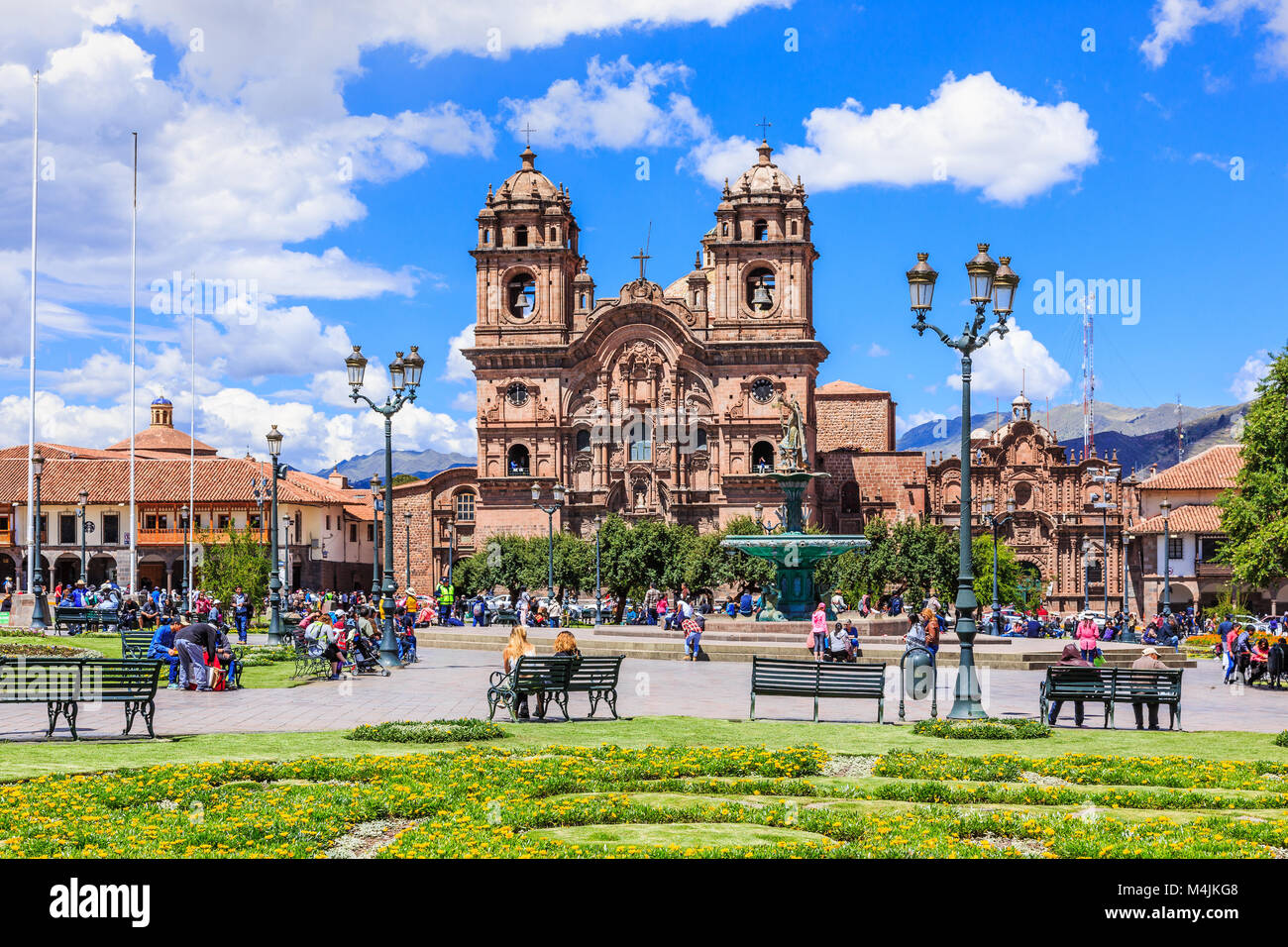
That matters because the security picture in Ecuador has worsened in the background: Human Rights Watch said homicides in Ecuador increased sharply in 2025, and U.S. travel guidance says crime is widespread, violent crime linked to narcotrafficking is common, and kidnapping and extortion have affected U.S. citizens and residents. Quito is not the country's most dangerous zone, but it is not insulated from the national trend. [web:13][web:14]
Current risk snapshot
| Risk factor | Quito today | Practical meaning |
|---|---|---|
| Street crime | Moderate to high | Pickpocketing, phone snatching, and robbery are the most common traveler problems. [web:14][web:1] |
| Night movement | Higher risk | Late-night walking and empty streets raise exposure to theft and assault. [web:14][web:5] |
| Demonstrations | Unpredictable | Protests can block roads and transit with little warning. [web:15][web:14] |
| Violent crime spillover | Present, but uneven | Quito is safer than the worst coastal areas, yet national violence still affects the capital. [web:13][web:14] |
| Tourist areas | Manageable by day | Historic and central zones are typically the most navigable with caution. [web:20][web:5] |
Where risk is highest
Most safety problems in Quito are not random citywide emergencies; they are location- and behavior-specific. Sources describing Quito's current conditions repeatedly point to night-time vulnerability in nightlife districts, isolated streets, and parts of the historic center after dark, while urging caution in any area that becomes quiet, poorly lit, or crowded enough for distraction theft. [web:5][web:6][web:14]
- La Mariscal can be lively but is also associated with pickpocketing, muggings, and nightlife-related risk. [web:5][web:6]
- Historic Center is easier to manage in daylight than at night, when foot traffic drops and street crime risk rises. [web:5][web:20]
- Transit hubs and airport exits are classic theft points, especially for travelers with visible bags, phones, or passports. [web:14]
- Protest corridors can cause sudden transport disruptions, especially during political or economic demonstrations. [web:15][web:14]
What the official warnings say
The U.S. State Department currently rates Ecuador at Level 2, "Exercise increased caution," and explicitly cites crime, terrorism, unrest, and kidnapping as reasons for the advisory. Its Ecuador guidance also says demonstrations occur across the country, can block roads and highways without warning, and that crime is widespread, with tourists having been robbed at gunpoint in public places, at beaches, on hiking trails, and near the Quito airport. [web:14]
The U.S. Embassy in Quito has also issued a March 2026 security alert, and the OSAC demonstration alert from late February 2026 said protests were being tracked in Quito locations including La Floresta and Parque La Carolina. That does not mean all of Quito is unsafe, but it does mean travelers should assume the situation can change fast. [web:9][web:15]
Why many visitors still go
Quito still receives travelers because its risks are usually manageable with routine precautions rather than extreme ones. The city has well-resourced healthcare compared with rural Ecuador, a functioning airport, hotels, and tourist districts where police presence is more visible than in many smaller destinations. Recent travel commentary also notes that many visitors experience Quito as safe by day in the right neighborhoods, especially when they avoid showing valuables and use trusted transportation at night. [web:14][web:20][web:1]
"Quito sits in the middle ground," one recent safety guide said, summarizing the city as workable for informed travelers but not forgiving for careless ones. [web:5]
What to do now
If you are going to Quito soon, the smartest approach is to treat it as a city where the main threats are avoidable but real. In practice, that means planning your day around daylight, controlling your movement after dark, and keeping a constant eye on devices and bags in crowded areas. [web:14][web:1]
- Use app-based rides or hotel-arranged transport at night instead of hailing taxis on the street. [web:14]
- Keep your phone out of sight when walking, especially near traffic stops, busier intersections, and nightlife areas. [web:14][web:1]
- Avoid isolated streets, empty parks, and unplanned shortcuts after sunset. [web:5][web:6]
- Monitor protest and embassy alerts before leaving your hotel each day. [web:15][web:9]
- Carry only the cash and cards you need, and store backups separately. [web:14]
- Use ATMs in protected indoor locations and avoid large withdrawals. [web:14]
Who should be extra careful
Some travelers should be more conservative than others, especially solo travelers, women traveling alone, people arriving late at night, and anyone planning to use public transit heavily. The State Department specifically warns that women travelers may face harassment and that sexual assault can occur even in tourist areas, while the embassy advises against public Wi-Fi dependence, careless dating-app meetups, and openly carrying expensive items. [web:14]
Travelers who are already stressed, unfamiliar with Latin American city travel, or uncomfortable with high-alert environments should assume Quito requires more attention than a typical European capital. Quito is not a place where you want to improvise routes, delay airport transfers, or test how safe a neighborhood feels at midnight. [web:14][web:5]
Neighborhood and time guide
| Situation | Relative safety | Advice |
|---|---|---|
| Historic Center in daylight | Better | Visit with awareness, keep valuables hidden, and leave before dark when possible. [web:5][web:20] |
| La Mariscal at night | Riskier | Use door-to-door transport and avoid solo wandering. [web:5][web:6] |
| Airport transfers | Manageable | Book ahead and do not linger outside arrivals with luggage exposed. [web:14] |
| During protests | Unpredictable | Stay flexible and avoid crowd zones and blocked roadways. [web:15][web:14] |
How Quito compares
Compared with Ecuador's coastal hotspots, Quito is usually the more manageable choice for tourists, which is one reason many travel guides still present it as visitable rather than off-limits. But compared with lower-risk destinations in the Americas, Quito is clearly a higher-caution city: theft is common, demonstrators can disrupt transport, and the national security environment remains unstable. [web:14][web:13][web:5]
In other words, Quito is not "safe" in the casual sense, but it can be safely visited in a disciplined, low-risk style. Think controlled movement, trusted transport, minimal jewelry, and a bias toward daytime activities. [web:14][web:20]
Practical verdict
Quito is safe enough for a careful trip, not safe enough for a relaxed one. If you go, behave like you are visiting a city with active theft pressure, occasional unrest, and a high premium on smart routing and timing. [web:14][web:15][web:13]
Everything you need to know about Is Quito Safe Right Now Heres What Travelers Should Know
Is Quito safe for tourists?
Yes, for cautious tourists who stay in central areas, use private transport at night, and keep valuables hidden; no, for travelers who expect to walk everywhere and improvise. The biggest risks are theft, mugging, and protest-related disruption rather than constant random violence in tourist zones. [web:14][web:5]
Is Quito safe at night?
Quito is notably less safe at night, especially in quieter streets, nightlife zones, and anywhere far from your hotel or transport. The safest assumption is to limit night walking and go door-to-door by car or app-based ride. [web:5][web:14]
Is Quito airport safe right now?
The airport is generally usable, but travelers should stay alert around arrivals, departures, and ground transport because the State Department says robberies have occurred even as people exit airport areas. Pre-booked transport is the better choice than negotiating rides on the curb. [web:14]
Is Quito safe for solo female travelers?
Solo female travelers can visit Quito, but they should be more conservative than average because official guidance warns about harassment and sexual violence risks. Daylight movement, vetted transport, and avoiding isolated areas are especially important. [web:14]
What is the biggest danger in Quito right now?
The biggest everyday danger is opportunistic crime, especially phone theft, pickpocketing, mugging, and taxi-related robbery; the biggest situational danger is getting caught in unrest or blocked roads during demonstrations. Those risks are real, but they are also highly manageable with planning. [web:14][web:15]