Is Peru At Altitude? A Quick Guide To Elevation Zones
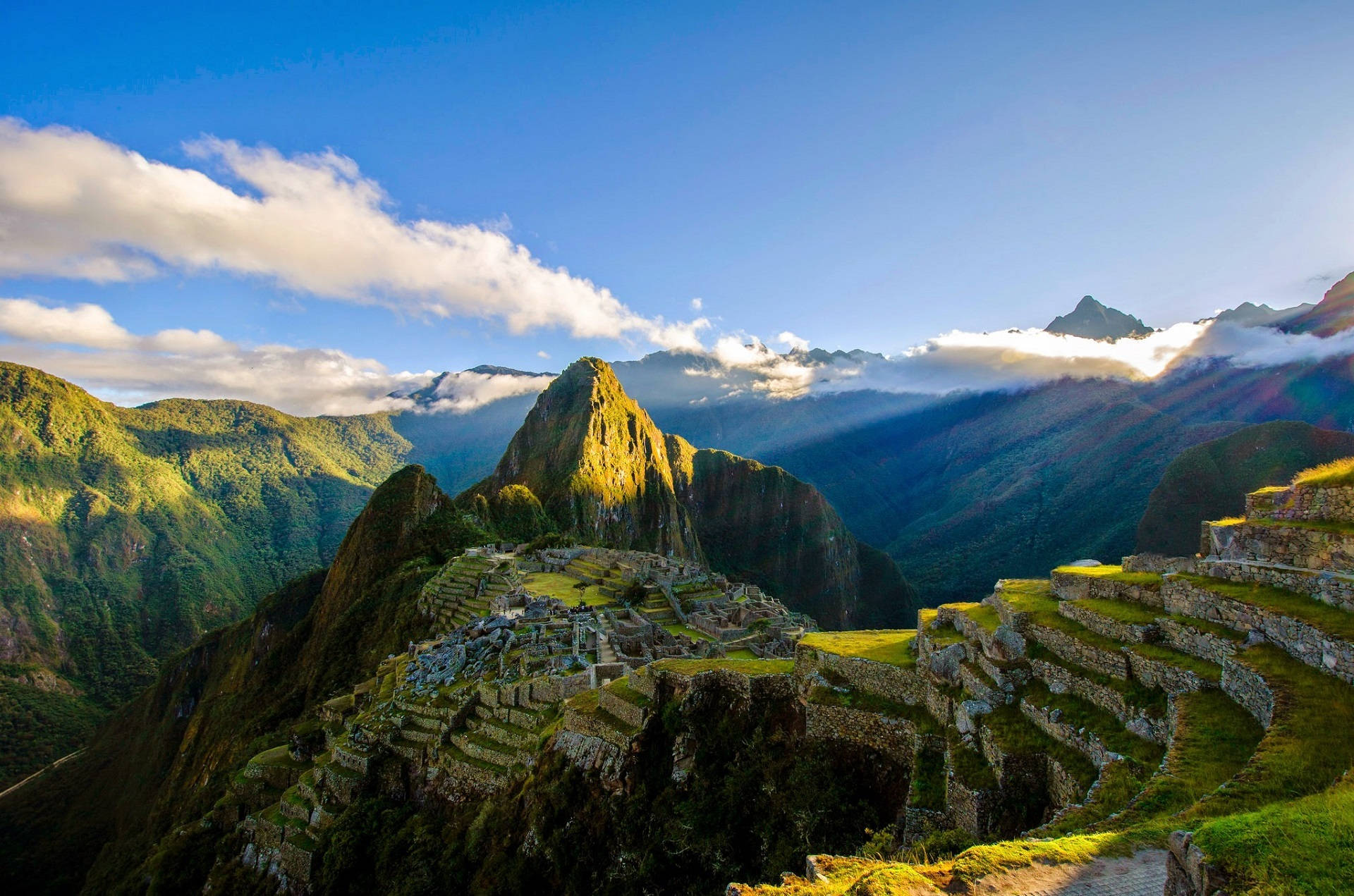
Yes-Peru includes many high-altitude regions where travelers will feel thinner air, especially in the Andes mountains. While coastal cities like Lima sit at sea level, major destinations such as Cusco (about 3,400 meters / 11,150 feet) and Lake Titicaca (around 3,800 meters / 12,500 feet) are firmly at high elevation zones where altitude sickness is a real consideration for visitors.
Where altitude matters most in Peru
Peru's geography is sharply divided into coastal plains, Andean highlands, and Amazon rainforest, meaning altitude varies dramatically across the country. The Andes mountain range runs north to south and contains most of the elevated cities and tourist landmarks that trigger altitude-related symptoms.

- Lima: Sea level; no altitude concerns.
- Cusco: ~3,400 m (11,150 ft); common altitude symptoms.
- Arequipa: ~2,335 m (7,660 ft); mild to moderate effects.
- Lake Titicaca (Puno): ~3,800 m (12,500 ft); high altitude exposure.
- Huaraz: ~3,050 m (10,010 ft); gateway to high-altitude trekking.
- Machu Picchu: ~2,430 m (7,970 ft); lower than Cusco but still elevated.
The elevation gradient across Peru is one of the steepest in the world, rising from sea level to over 6,700 meters (22,000 feet) within a few hundred kilometers. According to Peru's National Institute of Statistics (INEI), roughly 28% of the population lives above 2,500 meters, making altitude a normal part of daily life for millions.
What "high altitude" means in Peru
Altitude is typically classified into tiers based on how it affects the human body. In Peru, many destinations fall into ranges where oxygen availability is significantly reduced. The oxygen saturation drop becomes noticeable above 2,500 meters, where oxygen levels are about 25% lower than at sea level.
| Altitude Level | Elevation Range | Common Effects | Peru Examples |
|---|---|---|---|
| Low | 0-1,500 m | No noticeable effects | Lima, Paracas |
| Moderate | 1,500-2,500 m | Mild breathlessness | Arequipa outskirts |
| High | 2,500-3,500 m | Altitude sickness possible | Cusco, Huaraz |
| Very High | 3,500-5,500 m | Serious symptoms risk | Puno, Lake Titicaca |
The World Health Organization altitude guidelines note that travelers entering elevations above 3,000 meters without acclimatization face a measurable risk of acute mountain sickness (AMS), which affects an estimated 25-50% of visitors to Cusco according to regional tourism health surveys conducted between 2018 and 2023.
Why Peru's altitude feels intense
Travelers often report that Peru's altitude feels especially strong due to rapid ascent patterns. Many international visitors fly directly from sea level into Cusco within a few hours, giving the body little time to adapt. This rapid elevation change is a primary driver of symptoms like headaches, nausea, and fatigue.
Additionally, Peru's high-altitude cities often combine elevation with physical activity, such as walking on steep cobblestone streets or hiking ruins. The physical exertion factor amplifies how quickly altitude symptoms appear, particularly within the first 24-48 hours.
"Most cases of altitude discomfort in Peru are mild and resolve within 48 hours, but proper acclimatization is essential," said Dr. Elena Vargas, a Lima-based travel medicine specialist, in a 2024 regional health briefing.
How to acclimatize safely
Adjusting to altitude in Peru is manageable with proper preparation. Experts recommend gradual exposure and hydration as the most effective strategies. The acclimatization process allows your body to increase red blood cell production and improve oxygen delivery over time.
- Start in a lower-altitude city like Lima or Arequipa before heading higher.
- Rest for at least 24 hours upon arrival in high-altitude areas.
- Drink plenty of water and avoid alcohol initially.
- Eat light meals and avoid heavy exertion on day one.
- Consider coca tea or altitude medication if advised by a doctor.
Tour operators across Peru have adapted itineraries to reflect these guidelines. The staggered travel approach-for example, visiting the Sacred Valley before Cusco city-is now widely recommended because the valley sits at a slightly lower elevation (~2,800 meters).
Altitude differences between major destinations
Not all popular sites in Peru are equally high, which can influence travel planning. For instance, Machu Picchu is significantly lower than Cusco, which surprises many visitors. The relative elevation comparison helps travelers decide where to go first.
- Cusco is higher than Machu Picchu by nearly 1,000 meters.
- Lake Titicaca is one of the highest navigable lakes in the world.
- The Sacred Valley offers a gentler introduction to altitude.
- Amazon destinations like Puerto Maldonado are near sea level.
This variation allows travelers to design routes that minimize altitude stress. The multi-region itinerary design is especially useful for first-time visitors concerned about health impacts.
Health risks and statistics
Altitude sickness ranges from mild discomfort to serious conditions like high-altitude pulmonary edema (HAPE) and cerebral edema (HACE). According to Peru's Ministry of Health, fewer than 1% of tourists experience severe complications, but mild symptoms are widespread. The altitude illness incidence rate peaks in Cusco due to its elevation and visitor volume.
Data collected from 2022-2024 tourism clinics in Cusco indicates:
- Approximately 38% of visitors report mild symptoms.
- About 12% require medical consultation.
- Less than 0.5% need evacuation or hospitalization.
These figures highlight that while altitude is a real factor, it is generally manageable with awareness and preparation. The risk management strategies used by tour operators and hotels-such as oxygen availability-have significantly reduced complications over the past decade.
Practical travel tips
Simple adjustments can make a noticeable difference in how you experience altitude in Peru. The on-the-ground travel habits adopted by experienced visitors often determine comfort levels more than physical fitness.
- Walk slowly, especially on arrival days.
- Use sunscreen; UV exposure is stronger at altitude.
- Sleep slightly elevated to improve breathing.
- Avoid smoking, which reduces oxygen efficiency.
Hotels in Cusco and Puno frequently provide oxygen tanks or coca tea as standard amenities, reflecting how central altitude awareness is to the local tourism infrastructure. The hospitality adaptation measures are part of Peru's broader strategy to support high-altitude tourism safely.
FAQ
What are the most common questions about Is Peru At Altitude A Quick Guide To Elevation Zones?
Is all of Peru at high altitude?
No, Peru is geographically diverse. Coastal areas like Lima are at sea level, while the Andes contain high-altitude cities such as Cusco and Puno. The Amazon basin is also low-lying and humid.
Do you feel altitude in Machu Picchu?
Some people do, but Machu Picchu is lower than Cusco at about 2,430 meters. Most visitors find symptoms milder there, especially if they acclimatize beforehand.
How long does it take to adjust to altitude in Peru?
Most people begin to feel better within 24-72 hours. Full acclimatization can take up to a week depending on elevation and individual physiology.
Is altitude sickness dangerous in Peru?
It is usually mild and temporary, but severe cases can occur. Proper acclimatization and hydration significantly reduce risks.
What is the highest city tourists visit in Peru?
Puno, near Lake Titicaca at about 3,800 meters, is among the highest commonly visited destinations and often presents the strongest altitude effects.