Is Lima City Worth Visiting Or Should You Skip Ahead?
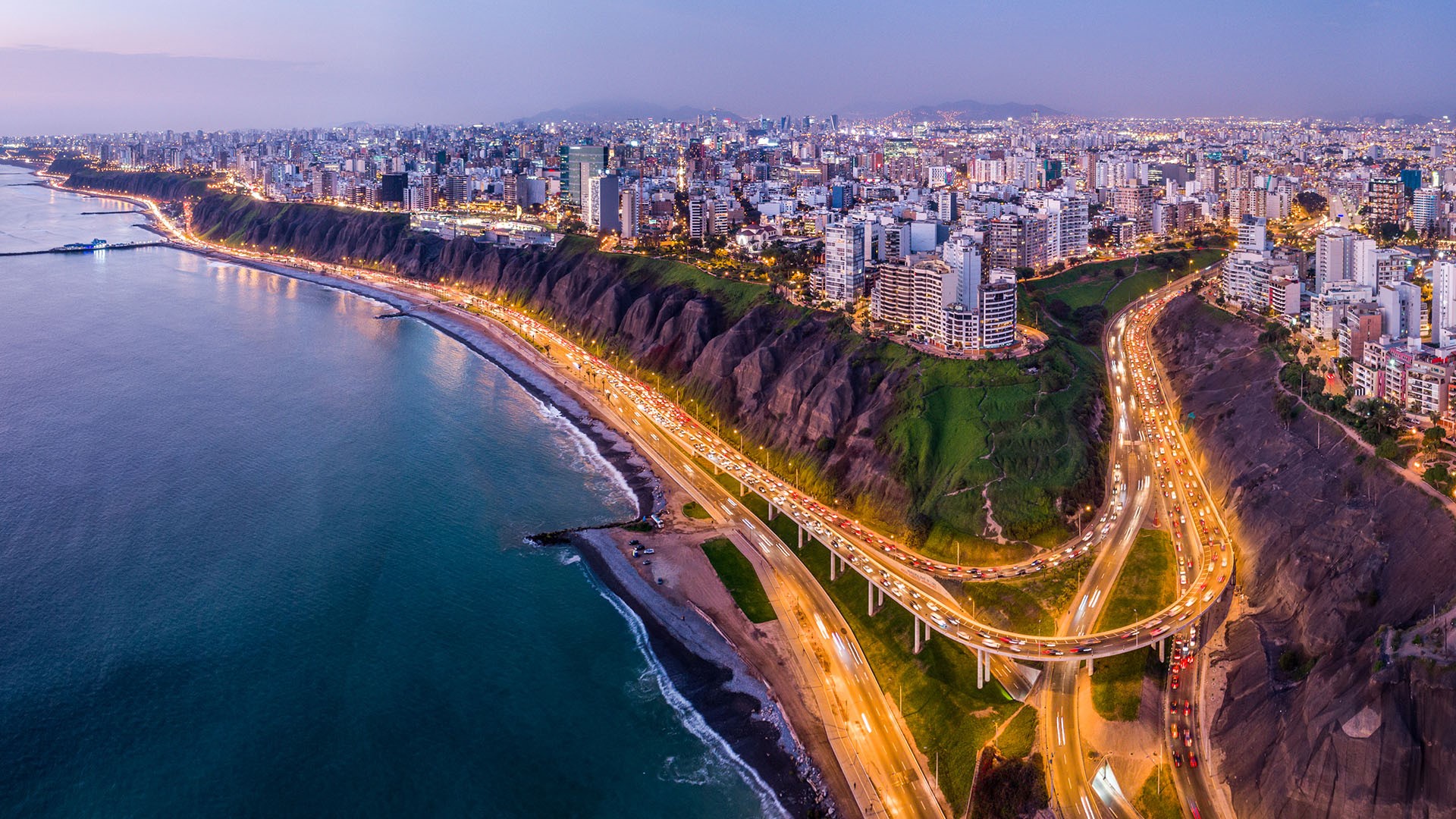
Lima is absolutely worth visiting, particularly for travelers who prioritize world-class gastronomy, pre-Columbian history, and diverse urban architecture. As the gateway to Peru, this cosmopolitan capital city offers a unique blend of colonial grandeur and modern coastal living that cannot be replicated elsewhere in the country. While many tourists treat the metropolis solely as a transit hub, those who dedicate at least three days to exploring find that the city's status as a global culinary powerhouse and its rich, layered history make it a premier destination in South America.
Why Lima Deserves Your Time
The primary reason to visit is that Lima is widely considered the culinary capital of the Americas. Hosting multiple venues consistently ranked among the top 50 restaurants globally, the vibrant dining scene allows visitors to experience everything from high-end Nikkei fusion to traditional coastal ceviche. Beyond the table, the city's historic center remains a UNESCO World Heritage site, providing a deep dive into the viceregal past of the continent.

Travelers often find that the juxtaposition of ancient civilizations against modern, upscale districts like Miraflores creates an engaging travel experience. Whether you are walking the clifftop scenic ocean views of the Malecón or exploring the adobe pyramids of the Lima culture, the city provides a depth of experience that rewards curious visitors.
- Culinary immersion: Experience world-renowned gastronomy that blends indigenous, European, African, and Asian influences.
- Pre-Incan archaeology: Discover significant sites like Huaca Pucllana, which date back to approximately 500 AD.
- Bohemian culture: Explore the artistic district of Barranco, known for its colonial mansions, street art, and legendary nightlife.
- Museum depth: Access unrivaled collections at the Larco Museum, which holds over 45,000 artifacts documenting 5,000 years of history.
Essential Planning for Lima
Navigating this sprawling coastal metropolis requires strategic planning to maximize enjoyment. You should balance your itinerary between the historic downtown, which offers colonial religious life insights, and the modern coastal districts where most tourism infrastructure is concentrated. Below is an essential guide to the key neighborhoods and their characteristics.
| District | Primary Appeal | Best Time to Visit |
|---|---|---|
| Miraflores | Parks, shopping, and stunning architecture | Year-round |
| Barranco | Arts, nightlife, and culture | Friday/Saturday evenings |
| Centro Histórico | Colonial history and cathedrals | Morning hours |
- Research and book your top-tier dining reservations at least three months in advance to secure a table at the city's most prestigious culinary institutions.
- Allocate at least two full days for the city to account for traffic, as the heavy traffic patterns can significantly impact your travel time between districts.
- Consider visiting during the summer months (December through March) if you prefer clear skies, though the coastal fog, known as garúa, provides a unique, moody atmosphere during the winter.
The city's historical depth is best exemplified by the Basilica and Convent of San Francisco, a true Baroque masterpiece that anchors the downtown area. Walking through its 17th-century cloisters and descending into the famous catacombs offers a stark, memorable look at the colonial era. When you combine these historical encounters with the modern luxury found in Larcomar, it becomes clear that Lima is a destination that defies simple categorization.
"Lima is the beating heart of Peruvian identity, where the ancient past and the global future collide in a spectacular display of flavor and history." - Local Travel Expert, 2026.
Ultimately, the decision to visit depends on whether you value deep historical context and world-class food over traditional resort-style relaxation. For those who appreciate the grit and glamour of a true South American megalopolis, the capital of Peru is not only worth visiting-it is mandatory for a complete understanding of the region.
What are the most common questions about Is Lima City Worth Visiting Or Should You Skip Ahead?
What are the primary reasons to stay longer than a layover?
Travelers who linger in the capital gain access to a multifaceted culture that spans thousands of years. Consider these key motivations for extending your stay:
Is Lima safe for international tourists?
Like any major global capital, safety depends on neighborhood and common sense. Stick to tourist-friendly areas like Miraflores, San Isidro, and Barranco, and always utilize reputable taxi services or rideshare applications when moving between districts at night.
What is the best way to get around the city?
Private transport and ride-sharing applications are generally the most efficient ways for tourists to navigate the sprawling coastal city. Public buses exist, but the complexity of the routes makes them less ideal for visitors on a short schedule.
What is the signature dish to try in Lima?
Ceviche is the undisputed champion of the local diet, featuring fresh Pacific fish marinated in lime juice, chili peppers, and onions. You will find that the unique culinary scene is elevated further by the diversity of local ingredients unique to the Peruvian landscape.