Is Ecuador Warm Year-round? A Regional Weather Cheat Sheet
Ecuador is generally warm year-round, but the exact temperature depends heavily on altitude and region rather than season. Because the country sits on the equator, it does not experience traditional summer and winter; instead, most areas maintain stable temperatures, with daily averages ranging from about 50°F (10°C) in the Andes to 85°F (29°C) in coastal and Amazon regions throughout the year.
How Ecuador's Climate Works
The defining feature of Ecuador's climate system is its equatorial location, which keeps daylight hours and solar intensity nearly constant year-round. According to Ecuador's National Institute of Meteorology and Hydrology (INAMHI), average annual temperature variation in most regions is less than 5°F (3°C), making it one of the most thermally stable countries globally. Instead of four seasons, Ecuador has wet and dry periods that vary by region.
![Best Banks for Automated Savings [2026]](https://cdn.financebuzz.com/images/2023/02/21/current_wordmark_black.png)
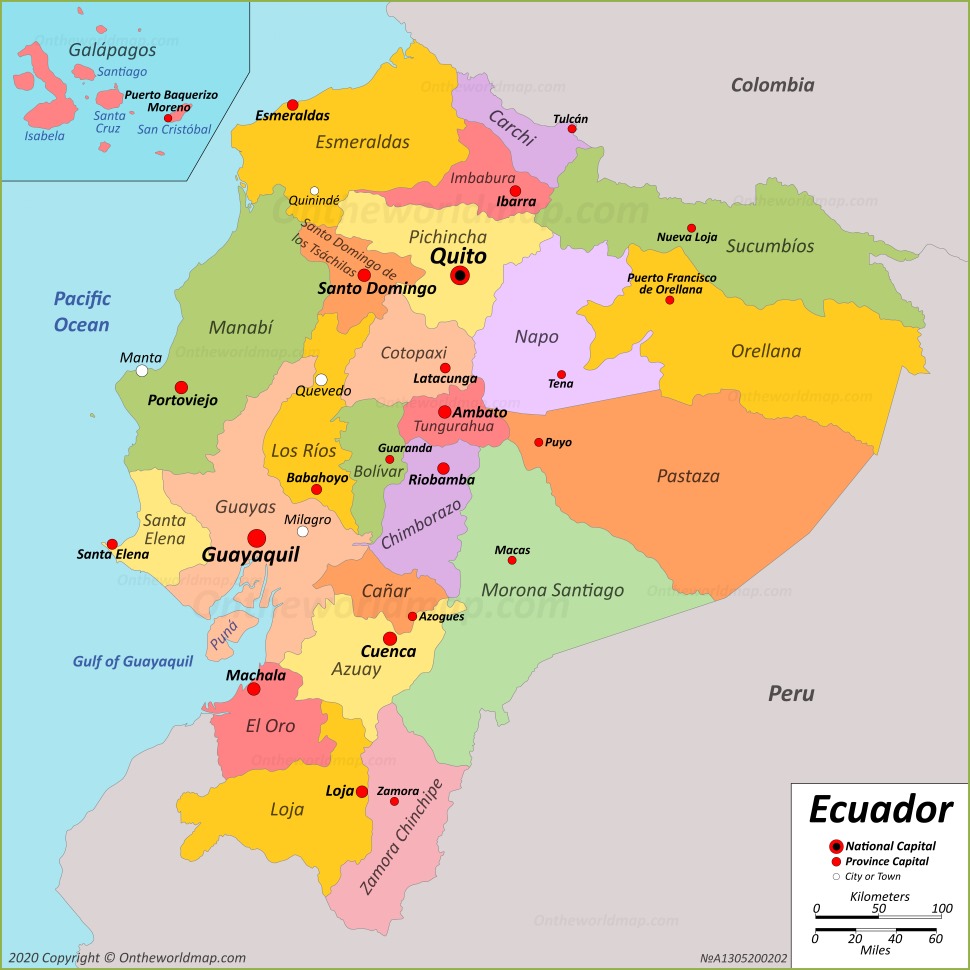
The country is divided into four primary geographic climate zones: the Coast (Costa), the Andes (Sierra), the Amazon (Oriente), and the Galápagos Islands. Each zone experiences different weather patterns due to altitude, ocean currents, and topography. This means "warm year-round" is true in a general sense, but not uniformly experienced everywhere.
Regional Weather Breakdown
Understanding Ecuador's warmth requires looking at each regional weather pattern individually. While the equator ensures consistent sunlight, elevation and ocean influence create distinct microclimates.
- Coastal region (Costa): Warm and humid year-round, with temperatures between 75-88°F (24-31°C).
- Andes mountains (Sierra): Mild to cool, with daytime temperatures around 60-70°F (15-21°C) and cooler nights.
- Amazon rainforest (Oriente): Hot, humid, and rainy, averaging 77-86°F (25-30°C).
- Galápagos Islands: Mild and breezy, influenced by ocean currents, with temperatures between 70-82°F (21-28°C).
These regional differences mean travelers can experience multiple climates within a single day by moving between elevations, especially along the Andes corridor.
Temperature and Rainfall by Region
The following climate data comparison provides a simplified snapshot of average temperatures and rainfall patterns across Ecuador's main regions. These figures are based on multi-year averages reported by INAMHI and regional climate studies between 2010 and 2024.
| Region | Avg Temperature (°F) | Avg Temperature (°C) | Annual Rainfall (mm) | Main Weather Pattern |
|---|---|---|---|---|
| Coast (Guayaquil) | 77-88 | 25-31 | 1,000-2,500 | Wet (Dec-May), Dry (Jun-Nov) |
| Andes (Quito) | 50-70 | 10-21 | 800-1,200 | Spring-like year-round |
| Amazon (Tena) | 77-86 | 25-30 | 2,500-3,500 | Rainy year-round |
| Galápagos | 70-82 | 21-28 | 250-750 | Warm (Dec-May), Cool (Jun-Nov) |
This temperature stability data highlights that Ecuador's warmth is consistent, but rainfall and humidity vary significantly depending on geography.
Why Ecuador Feels Warm All Year
The perception of year-round warmth in Ecuador comes from its position along the equator, where solar radiation remains nearly constant throughout the year. Unlike higher latitudes, Ecuador does not experience dramatic seasonal swings in sunlight, which keeps temperatures stable.
Another factor is the Andean altitude effect, where temperatures decrease predictably with elevation-roughly 3.5°F (2°C) per 1,000 feet. This creates a range of climates from tropical heat at sea level to cool पर्व-like conditions in cities like Quito (elevation 9,350 ft). As climatologist Dr. Luis Mejía noted in a 2023 regional study, "Ecuador compresses the climate diversity of an entire continent into a vertical gradient."
Dry vs Wet Seasons Explained
Instead of summer and winter, Ecuador has wet and dry seasons that vary by region. These seasonal patterns influence travel comfort more than temperature changes.
- Coastal wet season (Dec-May): Hotter, humid, with frequent afternoon rains.
- Coastal dry season (Jun-Nov): Slightly cooler, overcast, less rainfall.
- Andes rainy periods: Typically March-May and October-November.
- Amazon rainfall: Occurs year-round, with peaks in April and November.
- Galápagos shift: Warm season (Dec-May) vs cool, misty "garúa" season (Jun-Nov).
These seasonal rainfall cycles often matter more than temperature when planning a visit, as they affect visibility, road conditions, and outdoor activities.
Best Time to Visit by Region
Choosing the best time depends on your destination within Ecuador, since travel weather conditions vary significantly by region.
- Coast: June to November for cooler, drier weather.
- Andes: June to September for clearer skies and hiking conditions.
- Amazon: December to February for slightly less rainfall.
- Galápagos: December to May for warmer समुद्र conditions; June to November for wildlife activity.
This variability reinforces that Ecuador is not just "warm," but climatically diverse year-round, offering different experiences depending on timing and location.
Common Misconceptions About Ecuador's Weather
One widespread misunderstanding is that equatorial countries are uniformly hot. In reality, Ecuador's high-altitude cities can feel cool or even chilly, especially at night. Quito, for example, often drops below 50°F (10°C) after sunset despite being on the equator.
Another misconception is that Ecuador has no seasons at all. While it lacks traditional temperature-based seasons, its precipitation-driven seasons are well-defined and influence agriculture, tourism, and daily life across the country.
FAQ: Ecuador Weather Explained
The overall takeaway from this Ecuador climate overview is that the country remains thermally consistent year-round, but "warm" depends entirely on where you are standing-sea level beaches, misty mountains, or dense rainforest all offer very different experiences.
Helpful tips and tricks for Is Ecuador Warm Year Round A Regional Weather Cheat Sheet
Is Ecuador hot all year?
Not everywhere. Coastal and Amazon regions are hot year-round, but highland areas like Quito are mild to cool due to elevation.
Does Ecuador have winter or summer?
No. Ecuador does not experience traditional seasons; instead, it has wet and dry periods that vary by region.
What is the coldest place in Ecuador?
The Andes mountains are the coldest regions, especially at higher elevations where temperatures can drop below freezing at night.
Is Quito warm year-round?
Quito has mild daytime temperatures year-round, typically between 60-70°F (15-21°C), but evenings can be quite cool.
When is Ecuador the warmest?
Temperature differences are minimal, but coastal areas feel hottest during the wet season from December to May due to humidity.
Is Ecuador a good winter destination?
Yes. Its stable climate makes it a popular destination during Northern Hemisphere winter, especially for travelers seeking warmth without extreme heat.