Is Ecuador Safe To Visit? Practical Tips For A Worry-free Trip
- 01. Is Ecuador Safe to Visit?
- 02. Why visitors choose Ecuador
- 03. Key safety realities
- 04. What to do before your trip
- 05. First-hand traveler tips
- 06. Regional safety snapshot
- 07. Historical context and current conditions
- 08. Practical safety checklist for a worry-free trip
- 09. FAQ
- 10. Expert assessment: safety in numbers
- 11. Conclusion: a practical forecast
- 12. Authoritative resources and further reading
Is Ecuador Safe to Visit?
Yes, Ecuador is generally safe for travelers, but safety depends on location, timing, and personal precautions. The overall risk profile is shaped by petty crime in urban areas and the variability of regional security conditions, so a well-planned itinerary and vigilant behavior dramatically improve your odds of a worry-free trip. Safety depends on staying on established tourist routes, using reputable transport, and remaining aware of your surroundings.
Why visitors choose Ecuador
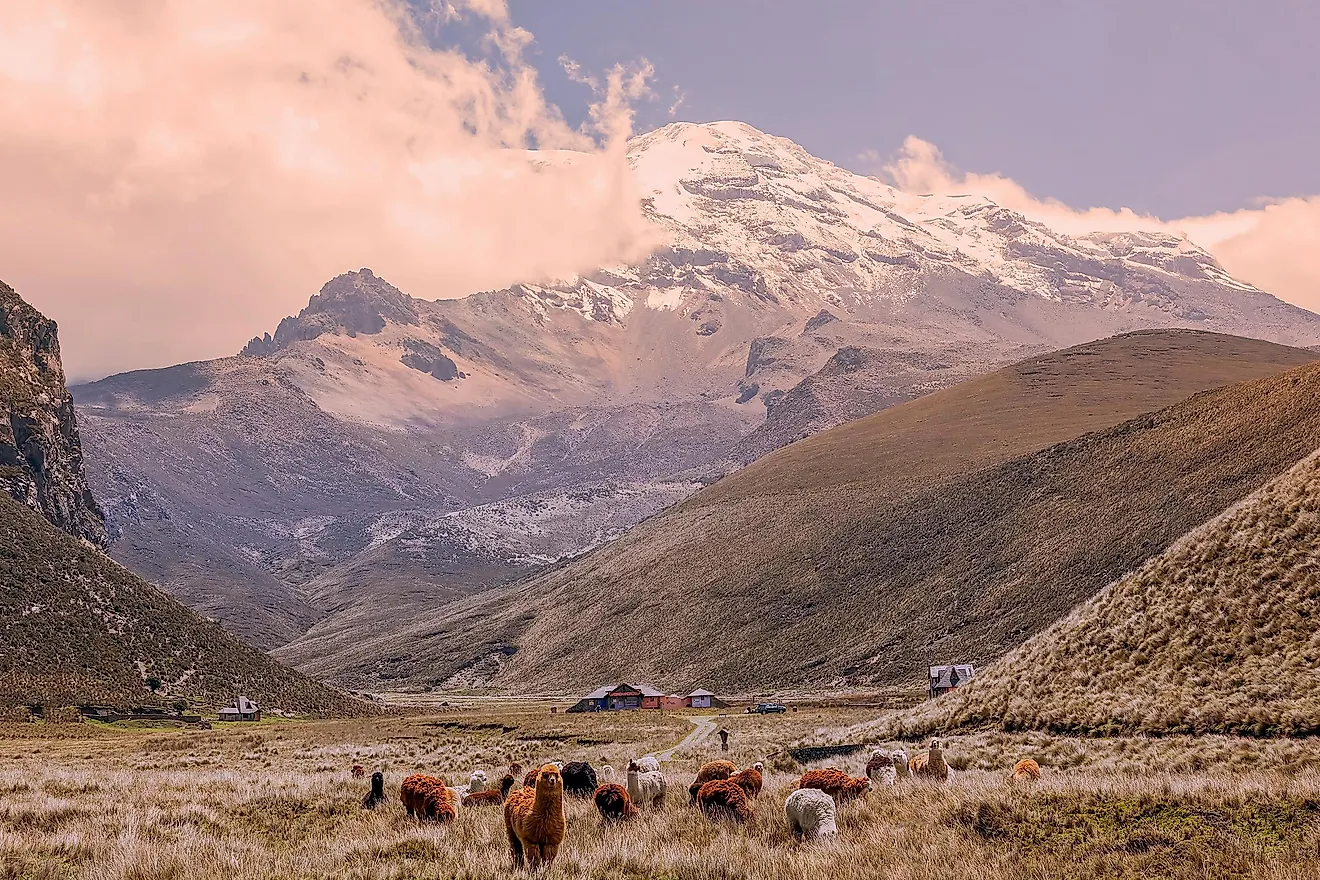
Ecuador offers dramatic landscapes from Andean highlands to the Galápagos, a compact travel footprint, and strong government support for tourism infrastructure. The government has increased police presence in major cities and popular destinations to protect visitors, particularly around major attractions like Cuenca, Otavalo, and the Galápagos archipelago. Tourism remains a leading economic activity, encouraging continued investment in safety programs and guided-tour options.
Key safety realities
Petty crime-such as pickpocketing and bag snatching-remains the most common risk for travelers, especially in crowded markets, transit hubs, and on buses in larger cities. Violent crime is less common in tourist zones but can occur in certain neighborhoods, border towns, and during periods of civil unrest or emergency declarations. Awareness and adherence to local guidance are the best defenses against these risks.
What to do before your trip
Plan with up-to-date official advisories, map out two or three core bases (such as Quito-Cuenca, and a Galápagos segment via a reputable operator). Ensure your passport, visa (if required), and travel documents are current, and enroll in any preferred traveler safety programs offered by your home country. Preparation reduces surprises and helps you maintain situational control.
First-hand traveler tips
- Use official taxis or rideshare apps, and confirm the driver's identity before entering the vehicle. Transfers are safer when arranged through hotels or trusted providers.
- Avoid walking alone at night in unfamiliar neighborhoods; stick to well-lit streets and busy areas with other pedestrians. Nighttime safety is notably improved by staying on established routes.
- Carry photocopies of important documents and keep digital backups in a secure cloud storage. Documentation redundancy minimizes disruption if items are lost.
- Water safety matters in some regions; prefer bottled or filtered water and avoid ice in certain local eateries. Hydration remains essential, especially at high altitudes.
- Respect local laws, cultural norms, and environmental protections when visiting indigenous communities or protected areas. Culture sensitivity enhances safety and respectful travel.
- Book Galápagos visits and Amazon excursions through licensed operators to ensure guides, safety briefings, and contingency plans are in place. Guided experiences reduce exposure to risk.
Regional safety snapshot
Safe travel generally follows popular tourist circuits, with heightened vigilance advised for frontier areas and places near borders. The following snapshot provides a sense of where to focus attention without implying guarantees of safety in every moment. Regions with high tourism activity tend to have stronger security measures and clearer visitor guidelines.
| Region | Typical Risk Level | Recommended Precautions | Why It's Popular |
|---|---|---|---|
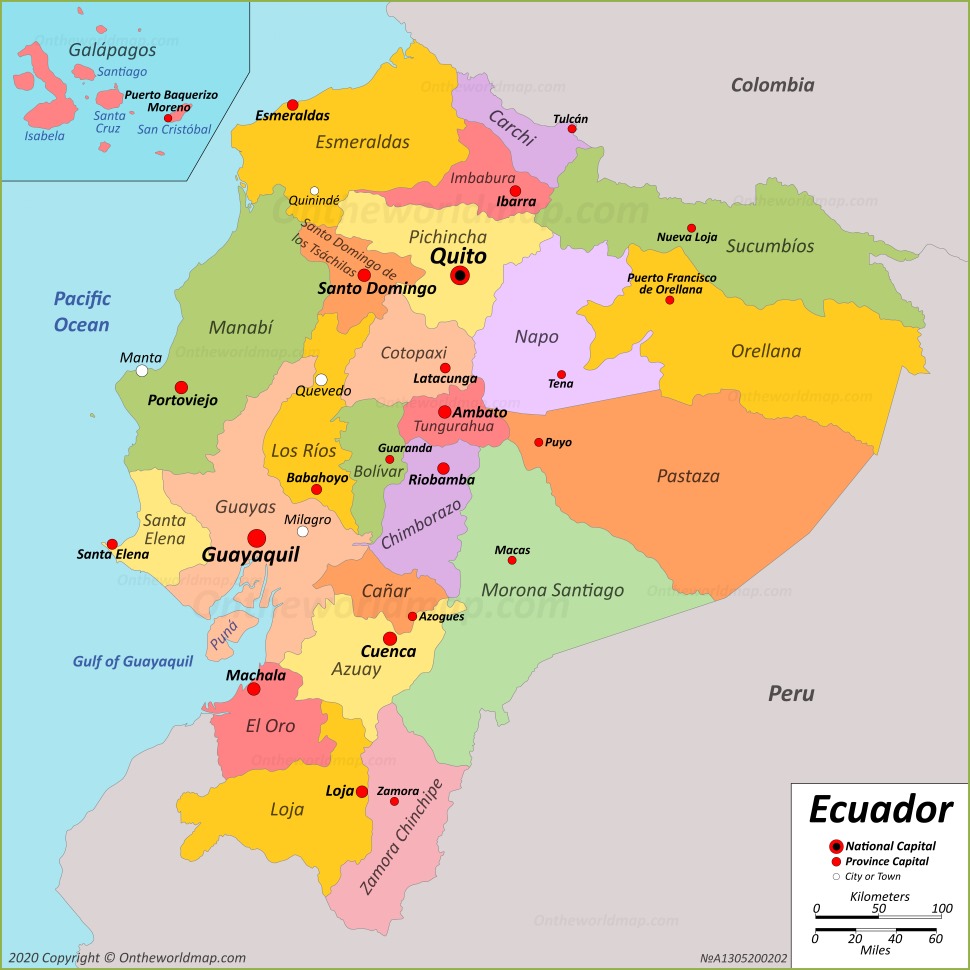
| Quito Old Town | Moderate | Stay aware in crowded plazas, use official transport after dark | Architectural splendor, UNESCO-listed core |
| Cuenca | Low to Moderate | Use reputable guides for day trips, keep valuables secure | Colonial charm, safe walking zones |
| Galápagos Islands | Low | Book with licensed operators, follow park rules | Iconic wildlife and unique ecosystems |
| Baños | Moderate | Beware street vendors; use guided outdoor activities | Adventure capital with waterfalls |
| Amazon Basin (Cuyabeno, Yasuni) | Moderate to High | Travel with established lodges and guides | Rainforest biodiversity and indigenous cultures |

Historical context and current conditions
Since the early 2010s, Ecuador has faced periodic security challenges, with spikes in crime in major cities and around transport hubs. In 2024-2025, tourism authorities invested in police presence, surveillance, and tourist-oriented safety programs to reduce incidents in high-traffic areas, particularly around popular routes in Quito, Cuenca, and border-adjacent zones. This alignment of resources has contributed to favorable traveler experiences when visitors adhere to established routes and safety guidance. Historical trends show improved security outcomes where tourists stay within recommended zones.
Practical safety checklist for a worry-free trip
- Before departure, register with your embassy or consulate for travel advisories and emergency updates. Registration is the first line of defense for rapid assistance.
- Outline a two-week plan prioritizing major cities and protected areas with guided tours. Planning reduces improvisational risk.
- Partition your budget and keep emergency funds in a separate location. Budgeting aids in fast response if items are stolen.
- Use SIM cards or eSIMs for reliable connectivity; share live location with a trusted contact. Connectivity supports safety networks.
- Choose accommodations with 24/7 reception, well-lit entrances, and security cameras. Accommodation selection influences day-to-day security.
FAQ
Expert assessment: safety in numbers
Independent safety reviews consistently show that when travelers book guided tours, avoid high-risk areas after dark, and rely on official transport, Ecuador's risk profile aligns with other popular South American destinations. Experts emphasize that the strongest predictor of a trouble-free trip is adherence to established routes and timely consultation of local advisories. Expertise in travel safety underpins practical decision-making for most visitors.
Conclusion: a practical forecast
Reality suggests that Ecuador remains a compelling, safe-to-visit country for tourists who plan carefully and respect local guidance. The balance between adventure and security tilts in favor of mindful travelers who prioritize licensed operators, safe transport, and region-specific precautions. Conclusion emerges: with preparation, Ecuador is a safe destination for most travelers seeking vibrant culture and extraordinary natural wonders.
Authoritative resources and further reading
Always consult official travel advisories from your home country and monitor local news as conditions can shift. Reputable sources include national tourism bodies and government travel advisories, which provide current safety alerts, entry requirements, and recommended itineraries. Resources support ongoing situational awareness for travelers.
Everything you need to know about Is Ecuador Safe To Visit Practical Tips For A Worry Free Trip
[Is Ecuador safe for solo travelers?]
Solo travelers can have rewarding experiences in Ecuador, but they should apply the same precautions as on any international trip: avoid isolated areas at night, use reputable transport, and stay connected with companions or guides when exploring new towns. Solo travel requires heightened situational awareness and careful route planning.
[Which areas should I avoid?]
Avoid frontier areas near certain borders and towns with known security concerns, especially after dark. Stick to established tourist corridors, often patrolled by security personnel or local authorities. Avoidance strategies reduce exposure to high-risk situations.
[Is the Galápagos safe to visit?]
Yes, the Galápagos Islands are among the safest and most regulated destinations in Ecuador due to strict park rules and licensed operators, making this archipelago a strong safe-haven core for most travelers. Galápagos safety benefits from official protections and guided access.
[What about natural hazards?]
Elevation and tropical climates introduce risks such as altitude symptoms in highland towns and heat in lowlands. Hydration, altitude acclimatization, and sun protection are essential precautions to prevent common natural-health issues. Natural hazards require proactive preparation.
[What documentation should I carry?]
Carry a passport, visa (if required), copies of IDs, and emergency contacts. Digital backups stored securely in cloud storage offer quick recovery if physical items are lost. Documentation resilience is a core safety habit.
[Is Ecuador safe to visit?]?
Ecuador remains a viable travel destination with a generally favorable safety profile for visitors who follow practical guidelines, stay on tourist paths, and use trusted services. Verdict for most travelers: yes-with diligent precautions.