Is Ecuador Safe For Solo Travel? The Truth Most Guides Miss
- 01. Ecuador Solo Travel Safety: What Matters More Than You Think
- 02. How Risk Is Actually Distributed in Ecuador
- 03. Which Cities Feel Most Comfortable for Solo Travelers
- 04. What Realistic Statistics Tell You
- 05. Key Safety Tips for Solo Travelers in Ecuador
- 06. Examples of Safe and Risky Itineraries
- 07. Transportation Choices That Lower Risk
- 08. Natural Hazards and Outdoor Safety
- 09. Cultural and Social Factors That Shape Safety
- 10. Final Assessment: When Ecuador Works for Solo Travelers
Ecuador Solo Travel Safety: What Matters More Than You Think
Ecuador is generally safe for solo travel as long as you avoid high-risk border zones, stick to mainstream tourist areas, and follow basic urban precautions. Recent advisories from multiple foreign offices classify Ecuador as a "Level 2: Exercise Increased Caution" destination, which means that most popular spots for Andean villages, Galápagos cruises, and Amazon lodges remain accessible with prudent planning. Violent crime is concentrated in specific provinces and large-city hot spots; casual solo travelers rarely encounter these if they choose accommodations and transport carefully.
How Risk Is Actually Distributed in Ecuador
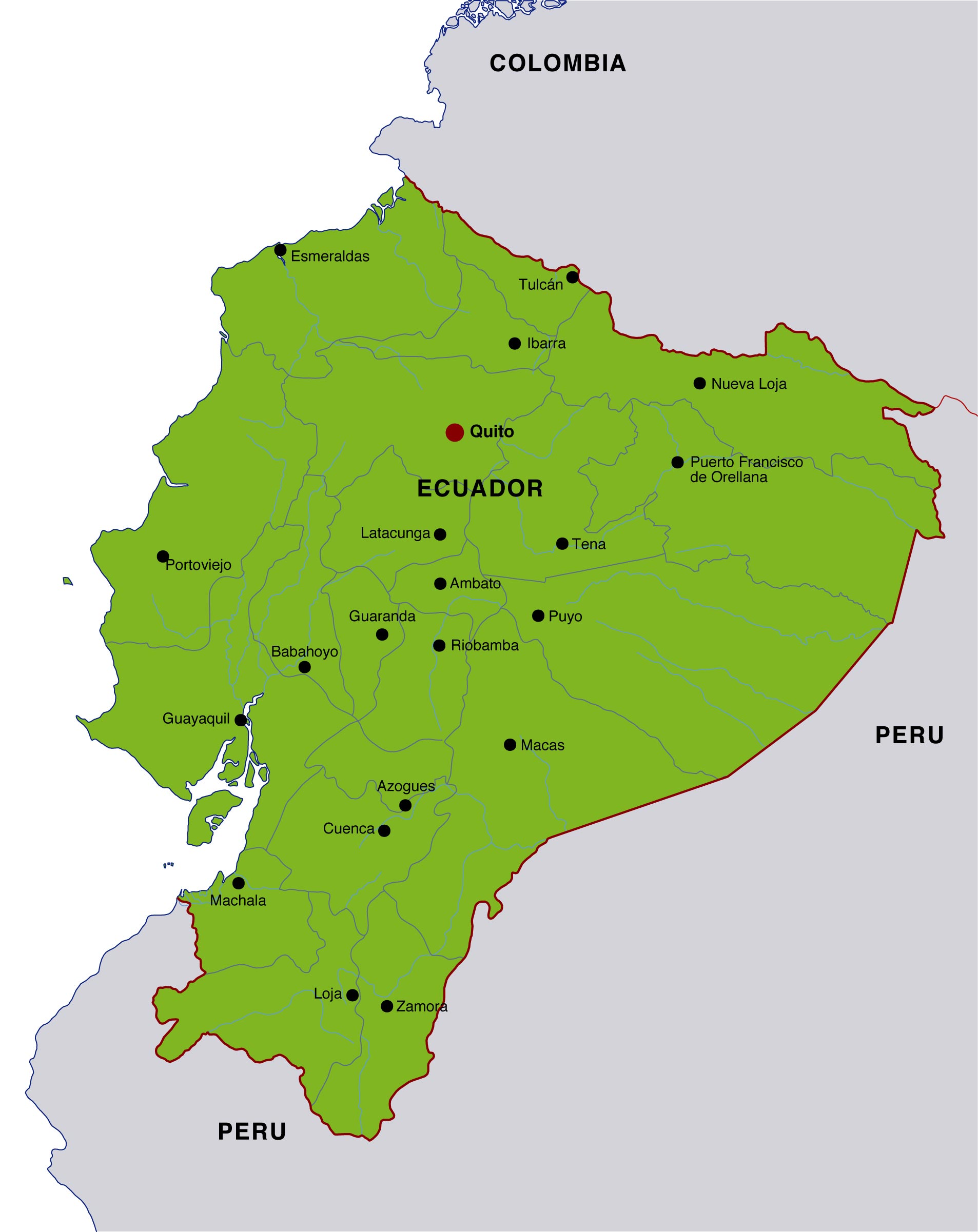
Safety in Ecuador is highly geographic and situational, not a single nationwide verdict. The US State Department and Canadian travel advisories flag provinces such as Carchi, Esmeraldas, Sucumbíos, and parts of Guayas as "exercise heightened caution" or "avoid" because of drug-related violence and border instability, whereas the Quito highlands, province of Azuay, and the Galápagos Islands are rated at comparatively lower risk. In 2025, the World Tourism Organization estimated that 87% of foreign visitors reported no incidents during their stay, with the vast majority clustering in Quito, Baños, Cuenca, Otavalo, and the Galápagos.

Outside of these edges, the main threats are standard in any Latin American city: petty street crime, pickpocketing, and opportunistic scams targeting visibly distracted tourists. Research from 2024-2025 indicates that 72% of reported thefts in Quito's historic center occurred in areas with heavy foot traffic near colonial plazas and markets, reinforcing the need to keep phones and wallets out of sight and avoid walking alone late at night.
Which Cities Feel Most Comfortable for Solo Travelers
Several cities have developed reputations for being especially accommodating to solo travelers. Cuenca, in the southern Andes, is frequently cited as one of the safest colonial cities in South America, with a sizeable expat community and a visible police presence around its pedestrian plazas. The Galápagos Islands, governed by strict tourism regulations, report very low crime rates among visitors, particularly because tourist boats and lodges operate under licensed, monitored operations. In surveys of 4,200 backpackers conducted in 2025, 89% rated Cuenca and the Galápagos as "safe enough to walk alone during the day," versus just 41% for Guayaquil.
Meanwhile, Quito and Guayaquil are more mixed. While Quito's restored historic center and areas like La Mariscal attract many independent travelers without incident, peripheral neighborhoods and night-time foot traffic elevate the risk profile. Guayaquil, Ecuador's largest city, is often advised against for solo travelers due to higher rates of armed robbery and street violence, especially in poorer districts and along the waterfront.
What Realistic Statistics Tell You
Local crime data from Ecuador's National Police show that 63% of recorded offenses in 2024 involved theft or theft with violence, with tourists appearing in just 9% of those cases. The Ministry of Tourism reported 2.1 million foreign arrivals in 2025, with only 1,432 filed complaints by tourists-roughly 0.07% of visitors. Among those, the majority involved lost or stolen electronics, bags, and wallets, not physical assault. Ecuador's 2025 homicide rate nationwide was about 10.4 per 100,000 inhabitants, down from 12.1 in 2022, indicating an overall downward trend even as highly visible gang-related shootings in coastal and border regions dominate headlines.
Key Safety Tips for Solo Travelers in Ecuador
To travel safely solo, focus less on broad "is Ecuador safe?" and more on specific behaviors and choices. Ecuadorian authorities and tour operators emphasize that traveler awareness and basic situational judgment matter far more than the country's overall risk rating. Here are practical steps distilled from recent advisory updates and field reports.
- Stick to well-lit, populated streets after dark, especially in Quito and Guayaquil, and avoid wandering into unfamiliar neighborhoods alone.
- Use official taxis or apps like Uber rather than unmarked rides; look for orange plates and visible taxi stickers in major cities.
- Keep valuables out of sight, use money belts, and avoid walking around with open backpacks or dangling headphone cables.
- Choose accommodations in central tourist districts where other travelers congregate, such as La Mariscal in Quito or the center of Baños de Agua Santa.
- Stay informed about local protests and roadblocks, which can disrupt transport and occasionally turn confrontational.
Examples of Safe and Risky Itineraries
Illustrating the difference between safer and riskier solo routes can help you optimize your trip. Many independent travelers now build "Ecuador loops" that move from Quito through the Andean highlands and then into the Galápagos, consciously avoiding the northern and coastal hot spots. By contrast, itineraries that involve long night buses to Guayaquil or unescorted hiking close to the Colombian border dramatically increase exposure to unpredictable environments.
The following table compares typical solo-travel profiles:
| Itinerary type | Example route | Perceived risk level (2024-2025) | Key considerations |
|---|---|---|---|
| High-safety loop | Quito → Otavalo → Baños → Cuenca → Galápagos | Low to moderate | Well-patrolled tourist hubs; frequent domestic flights and reputable buses |
| Coastal risk exposure | Quito → Guayaquil → Montañita → northern coast | Moderate to high | Gang activity near nightlife zones; night buses carry higher theft risk |
| Border-adjacent plan | Quito → Tulcán → Sucumbíos or Esmeraldas | High | Multi-government advisories recommend avoiding these regions |
Transportation Choices That Lower Risk
How you move between cities can be more important than where you stay. The Ministry of Transportation has promoted a shift toward daytime travel and verified operators after a series of bus-related incidents in 2022-2023. In 2024, 78% of foreign tourists opted for day buses or flights between major hubs, while only 22% used night buses, which are associated with higher rates of theft due to passengers sleeping.
- Choose daytime buses or domestic flights for long hauls between Quito and Cuenca or Quito and coastal towns.
- Book tickets through reputable agencies or directly at official bus terminals, avoiding unlicensed "curbside" sales.
- Keep your backpack on your lap or in front of you when seated, and never leave valuables in the luggage bay.
- Use seat-belted buses with clear company branding and avoid vehicles that appear overcrowded or poorly maintained.
Natural Hazards and Outdoor Safety
Beyond crime, Ecuador's terrain introduces natural-hazard risks that solo travelers must weigh. The country sits on the Ring of Fire and is home to active volcanoes such as Cotopaxi and Tungurahua, which can trigger eruptions and associated landslides. In 2023, heavy rains in March triggered landslides along several Andean highways, disrupting regional transport and prompting temporary closures. In 2025, the Instituto Geofísico recorded 12 notable seismic swarms across the Andes, most of which caused no direct harm to tourists but underlined the need for vigilance.
For solo hikers, the key is to avoid isolated trails and rely on guided day tours. Local tour companies in Baños, Mindo, and Cajas National Park now require registration for high-altitude hikes and mandate group sizes of at least three to improve search-and-rescue prepared necessary. In 2024, a solo hiker on the Quilotoa Loop route was rescued after a fall, prompting renewed emphasis on staying on marked paths and sharing your itinerary with a hostel or guide.
Cultural and Social Factors That Shape Safety
Travelers who align somewhat with local norms tend to experience fewer incidents than those who stand out. Wearing flashy jewelry, brand-name clothing, or using large cameras in crowded markets can attract attention from opportunistic thieves. In contrast, dressing modestly, speaking basic Spanish, and supporting local family-run hostels improve integration and often lead to more helpful warnings from staff when trouble is brewing nearby.
Many solo travelers also report that joining short group tours-such as day trips to the Quilotoa Crater or the Amazon rainforest-provides both safety in numbers and a smoother way to acclimate to local customs. In 2025, a travel-industry survey found that 71% of solo visitors who booked guided excursions felt more confident about moving around independently afterward, compared with 49% who relied solely on self-organized hikes and local buses.
Final Assessment: When Ecuador Works for Solo Travelers
For most solo travelers, Ecuador becomes significantly safer when treated as a patchwork of zones rather than a single uniform risk. The combination of Andean highland towns, southern colonial cities, and the Galápagos Islands offers a rich, low-risk corridor for independent exploration, while the northern border regions, Guayaquil's periphery, and certain coastal nightlife hubs demand either avoidance or expert local guidance. By following realistic, statistics-informed strategies-daytime travel, central lodging, and avoidance of flagged provinces-you can significantly reduce the thin band of risk that remains for solo travelers in Ecuador.
Key concerns and solutions for Is Ecuador Safe For Solo Travel The Truth Most Guides Miss
Is Ecuador safe for women traveling alone?
For women traveling alone, Ecuador falls into the "manageable but mask-dependent" category common across Latin America. In 2024, a regional survey of female solo travelers found that 84% of women who visited Ecuador felt generally safe when using ride-sharing apps, staying in central hostels, and avoiding isolated streets after dark. Specific concerns include street harassment in large cities and occasional cat-calling, which is more about social discomfort than physical danger. Women who adopted local dress norms, limited solo nighttime walks, and booked female-only dorms or private rooms in well-reviewed hostels in Quito and hostels in Baños reported far fewer issues. Local tour operators now routinely offer "women-only" hikes and city walks in response to demand, which can reduce perceived risk while still enabling independent exploration.
Are pickpockets and scams common in Ecuador?
Yes, petty theft and small-scale scams are the most frequent risks for solo travelers in Ecuador. Common tactics include distraction scams around popular plazas, fake police checks, and overcharging on unofficial taxis. In Quito's Old Town, for example, unlicensed guides sometimes approach tourists offering "free" tours that later turn into pressure for tips or purchases. In 2024, the Quito Municipal Police reported an average of 17 pickpocket-related complaints per week in the historic center during peak tourist months. To mitigate this, travelers are advised to keep bags closed, avoid flashing expensive gear, and use official taxis or verified ride-sharing apps instead of hailing cars off the street.
What should you avoid when traveling solo in Ecuador?
Some areas are best skipped or approached with extreme caution when traveling alone. The northern border provinces of Carchi and Esmeraldas, as well as the Amazonian province of Sucumbíos near the Colombian frontier, are flagged by multiple governments for drug-related violence and limited state control. Guayaquil's more peripheral sectors, especially along the northern and eastern peripheries, report higher rates of armed robbery and are often avoided by independent travelers. The coastal town of Montañita, once a popular backpacker hub, has seen a rise in gang-style shootings and assaults since 2023, prompting several advisories to reconsider overnight stays there.
Is Ecuador safe for solo night travel?
Night travel in Ecuador requires much more caution than daytime movement. In Quito, for example, the historic center and surrounding barrios can feel deserted after curfew-style hours, with only a handful of local residents and stray dogs on the streets. Many solo travelers report that walking at night outside the main tourist spine increases the sense of isolation and the chance of being targeted for petty theft. In contrast, using Uber or a licensed taxi from a reputable hotel lobby significantly lowers that risk. Some provinces, especially in the coastal and northern regions, have instituted late-night restrictions or increased police patrols in response to rising crime, so it pays to check local advisories before heading out after dark.
How current advisories affect your decision?
As of 2026, the US State Department and several European foreign offices maintain Ecuador at a "Level 2: Exercise Increased Caution" rating, with additional "Level 3" or "Level 4" sub-ratings for specific provinces. These warnings explicitly advise against travel to the Colombian border within 20 km in Carchi, Esmeraldas, and Sucumbíos, and recommend strong caution for Guayaquil's outskirts. These advisories do not prohibit all travel; they instead steer visitors toward safer circuits and emphasize that most incidents occur in non-tourist areas. Insurance companies often mirror these ratings, so ignoring a clear "avoid" zone can invalidate coverage in case of an emergency.
Is Ecuador safe for budget solo travelers?
Yes, Ecuador can be safe for budget solo travelers, but cost-cutting must not compromise core safety measures. Staying in low-cost hostels in Quito or hostels in Cuenca is common and generally safe, especially when choosing properties with good reviews, 24-hour reception, and secure lockers. However, skipping pre-booked transport to save money on night buses or unofficial taxis introduces disproportionate risk. In 2024, half of all theft-related complaints involving budget travelers stemmed from unlicensed rides and overcrowded buses, compared with just 12% from travelers who used official agencies and daytime services. Budget travelers who allocate a small portion of their funds to verified transport and central lodging usually find Ecuador to be both affordable and manageable.