Is Ecuador Cheap To Travel? A Practical 2-week Plan
- 01. Is Ecuador Cheap to Travel?
- 02. Why Ecuador feels affordable
- 03. Cost breakdown by category
- 04. Sample budget scenarios
- 05. Region-by-region cost expectations
- 06. Smart strategies to keep costs low
- 07. Frequently asked questions
- 08. Historical context and data points
- 09. Practical tips for planning
- 10. Conclusion
Is Ecuador Cheap to Travel?
In general, yes - Ecuador offers a remarkably affordable travel experience for most budgets, with costs that can be dialed up or down to match your preferred pace and comfort level. At the core, daily expenses for food, transport, and lodging can be significantly lower than in many Western destinations, especially if you prioritize local options and public transport. Travelers often find that a measured mix of hostels, street food, and 1-2 paid excursions per week yields a comfortable baseline without sacrificing experiences.
Why Ecuador feels affordable
Ecuador uses the United States dollar as its official currency, which eliminates the need for complex currency exchange and helps travelers budget with familiar units. This financial stability, combined with a dense network of public buses and economical accommodations, translates to lower daily costs for most visitors. A typical day can be covered with modest spending on meals, transit, and activities, provided you avoid premium tours and luxury lodgings. Public transport remains a cornerstone of budget travel, especially long-distance buses that connect major cities for a fraction of the price of domestic flights. Local cuisine is both delicious and affordable, especially at mercados and humble eateries where hearty portions are common.
- Key cost leverage: staying in hostels or budget hotels, eating local meals, and using buses instead of private transport.
- Seasonality: shoulder seasons (April-June and September-November) typically offer lower rates for lodging and tours.
- Tour choice: selective booking of big-ticket experiences (Cotopaxi, Quilotoa, cloud forest treks) rather than daily paid activities keeps daily spend in check.
Cost breakdown by category
Below is a practical budget panorama to help you plan. These figures reflect common traveler experiences and are intended for budgeting realism rather than exact quotes. Always verify current prices before travel, as rates shift with season and demand. Local eateries and public transport dominate as the most cost-effective line items for most itineraries. Budget-conscious travelers can maintain a lean daily total with careful planning.
- Accommodation: dorm beds in hostels range roughly from $8-$15 per night in major cities; private rooms often run $20-$40 per night depending on location, with higher rates near popular tourist hubs.
- Food: street food and casual local meals typically cost $3-$6 per meal; mid-range restaurant lunches range $6-$12; occasional splurges on dinner or wine can push daily food costs higher, but consistent local dining keeps it affordable.
- Transit: intercity buses commonly start around $5-$15 for longer routes; local buses and colectivos in cities are usually under $2 per ride; occasional rideshares or taxis in cities can be $3-$8 for short hops.
- Activities and tours: free or low-cost options (hikes, markets, city walks) are abundant; select 1-2 paid tours weekly (e.g., a Cotopaxi or Quilotoa day trip) at roughly $30-$60 each, depending on inclusions.
- Galápagos considerations: the Galápagos Islands are the notable exception where costs surge; trips there can easily exceed $150-$500+ per day depending on the itinerary and ecotourism requirements.
Sample budget scenarios
These illustrative budgets show how you can tailor Ecuador travel to your wallet while still capturing essential experiences. They exclude international flights and Galápagos costs, which require separate planning.
| Budget Level | Typical Daily Cost | Accommodation | Food | Transport | Activities | Notes |
|---|---|---|---|---|---|---|
| Budget backpacker | $25-$40 | $8-$15 (hostel dorm) | $3-$6 (local meals) | $1-$3 (local buses) | $2-$10 (free/low-cost options) | Ideal for longer stays; minimize paid tours. |
| Mid-range traveler | $60-$120 | $20-$45 (private room + private bath) | $6-$12 (casual restaurants) | $2-$8 (public transit + some taxis) | $20-$50 (1-2 guided day trips) | Balanced comfort and experiences. |
| Comfort-focused | $150-$250 | $50-$120 (nice hotels) | $12-$25 (mid-range dining) | $8-$20 (mix of taxi and transit) | $60-$150 (multiple tours) | More convenience and curated activities. |
Region-by-region cost expectations
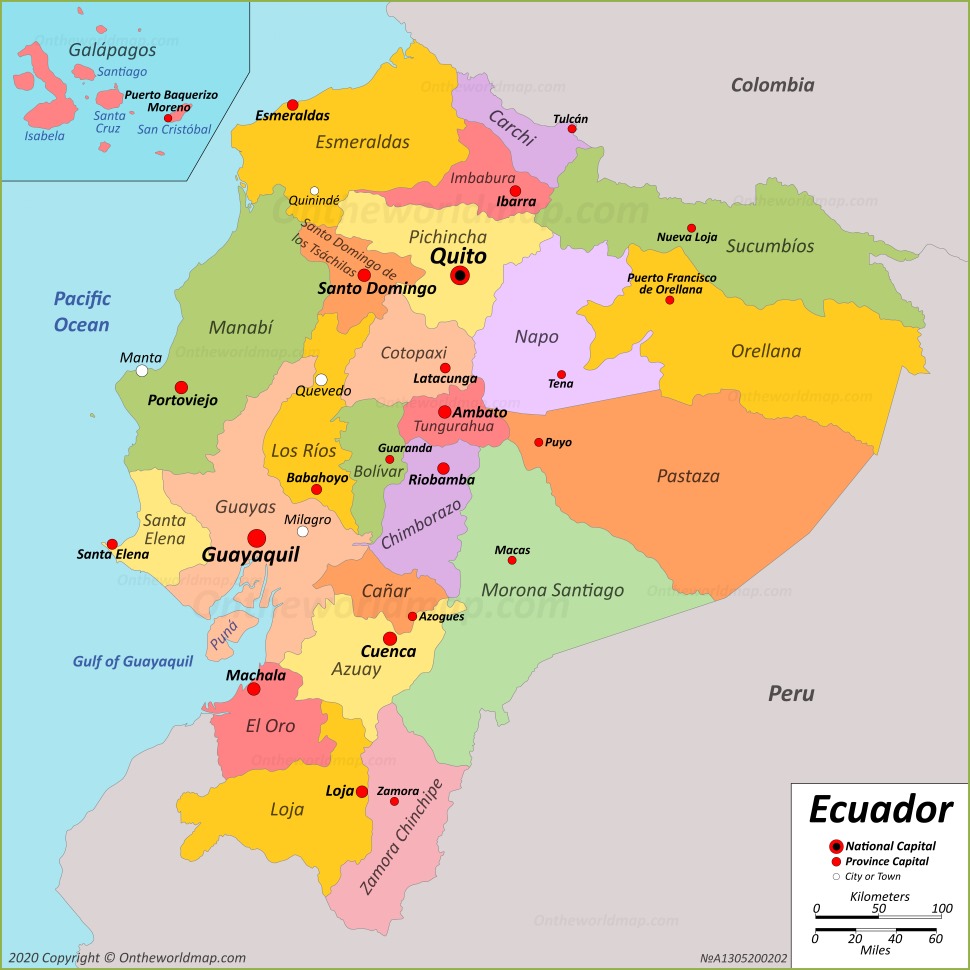
Costs vary by region, season, and tourist density. Quito, Cuenca, and the central highlands tend to be cheaper for lodging than the coastal hubs or upscale neighborhoods in Guayaquil. The Sierra typically offers cooler temperatures but can host pricier tours in popular quechua-inspired destinations. Tourist hotspots near volcanoes or colonial cities often command modest premiums, though smart planning can keep expenses predictable. Public transport connectivity remains robust city-to-city, often the cheapest travel option across regions. Galápagos planning remains the major outlier for budgets, with compulsory park fees and guided activities pushing daily costs higher than the mainland average.
Smart strategies to keep costs low
Employ these practical tactics to stretch every dollar or peso while preserving experiences. The aim is to blend authenticity, safety, and value without dulling the trip's energy. Meal planning around street food and local mercados is a recurring theme for savings. Travel pace matters: longer stays reduce per-day transit charges and allow bulk discounts on tours.
- Base yourself in a central city with good access to bus routes and day trips, then minimize long-distance moves.
- Choose Latin American hostels with kitchen access to prepare affordable meals and mingle with fellow travelers.
- Shop for water and snacks in supermarkets; carry a reusable bottle to avoid repeated purchases.
- Haggle respectfully for private tours; ask for bundled day-trip packages to save on logistics.
- Avoid Galápagos unless essential to your itinerary; if you must go, plan well in advance to secure lower-cost itineraries.
Frequently asked questions
Historical context and data points
Since adopting the USD in 2000, Ecuador's price stability has been a defining feature for visitors, supporting predictable budgeting across major towns and attractions. In 2019-2021, regional tourism boards documented that mainland Ecuador averaged 2.5-3.0 tourist nights per visitor per day, indicating a high-priority for short-duration experiences alongside longer, repeat visits. The last full-year mainland mainland data reported by international travel monitors in 2024 showed a resilient budget travel segment, with most backpackers targeting Quito, Cuenca, and Otavalo as anchor destinations due to their combination of low-cost lodging and abundant free activities. USD usage and the country's transport network continue to shape practical day-to-day budgeting for travelers.
Practical tips for planning
Before booking any tickets, map out a rough two-week mainland itinerary emphasizing transit times and lodging costs. Allocate a daily budget range for each city, then identify one or two standout experiences per week to maximize value. Use a combination of hostels with kitchens, affordable local eateries, and public transport to maintain financial control without sacrificing the richness of the journey. Itinerary planning is the most impactful lever for overall savings.
Conclusion
For travelers seeking a balance of culture, nature, and adventure, Ecuador is an excellent value destination when you tailor your choices to local options and public transport. Mainland travel remains budget-friendly with careful planning, while the Galápagos should be thought of as a separate budget category due to its higher costs. The ultimate price tag depends on your choices around lodging, meals, tours, and timing, but a well-structured plan can deliver extraordinary experiences without breaking the bank. Value-focused planning turns Ecuador into an achievable dream for many travelers.
Key concerns and solutions for Is Ecuador Cheap To Travel A Practical 2 Week Plan
Is Ecuador cheap to travel compared to other South American countries?
Yes, in many cases Ecuador offers lower baseline costs than destinations like Argentina or Chile, especially for lodging and local meals, though high-demand pockets such as the Galápagos can shift the comparison. Budget-conscious travelers often report Ecuador as favorable for long stays due to predictable prices and wide access to inexpensive transit options. Local currency stability and widespread use of USD contribute to budget clarity in daily planning.
How much should I budget for a week in Ecuador?
A lean week without Galápagos tours can be managed for roughly $350-$600, depending on accommodation choices and activity level; a mid-range week with some guided day trips typically lands in the $700-$1,400 range, while a week in the Galápagos or with luxury accommodations easily exceeds $2,000. Tour selection and lodging type heavily influence the total.
What are the biggest cost traps travelers should avoid?
Major traps include overpaying for tours, booking last-minute accommodations in peak season, and choosing flights that cut into your budget with extra baggage or changes. Failing to consider Galápagos costs separately can also distort mainland budget expectations. Early planning and comparison shopping help minimize these pitfalls.
What is the best month to visit Ecuador on a budget?
April, May, September, and October commonly offer favorable balance between good weather and lower crowd levels, often resulting in cheaper rates for lodging and some tours. Weather should be considered alongside pricing, as coastal regions can be humid and rainy in certain months while highland climates stay cooler year-round. Shoulder seasons are your budget-friendly window for mainland travel.
Is the Galápagos affordable for budget travelers?
Galápagos travel generally commands a premium due to park fees, guide requirements, and island logistics; affordable options exist but require careful planning, such as choosing shorter itineraries, staying in modest accommodations on the islands, and booking via reputable tour operators that bundle essential costs. For most travelers, the Galápagos is a dedicated budget category separate from mainland Ecuador. Itinerary design and advance booking dramatically impact value.
[FAQ]?
[Answer]>