Horchata Lojana Ingredientes That Make It Totally Unique
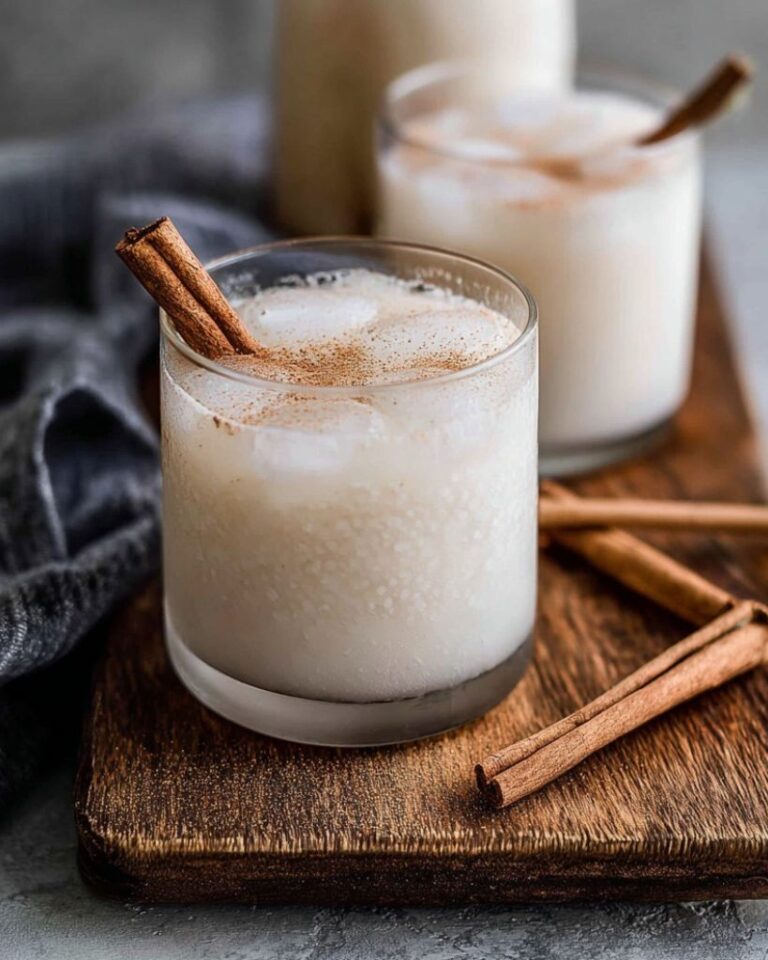
Horchata lojana ingredients are a fragrant mix of Andean herbs, flowers, water, lemon, and sweetener, with the exact blend varying by family and season. The most common herbs include escancel, cedrón, hierbaluisa, mint, chamomile, toronjil, and albahaca, while some recipes also add rose, violet, malva, linaza, and aloe vera.
What horchata lojana is
Horchata lojana is not the milky cinnamon drink many people associate with horchata in other countries; it is a traditional Ecuadorian herbal infusion from Loja. It is usually served hot or cold and is known for its ruby-pink color when escancel or bloodleaf is included. The drink is especially associated with Loja's local plant knowledge, home gardens, and regional food culture.

Main ingredients
The core formula is simple: a large herb blend steeped in water, then finished with lemon juice and sweetener. In many home and restaurant versions, the base mix centers on 20 to 30 herbs and flowers, although some sources note that more than 70 species may be used across regional variations. That flexibility is part of what gives the drink its identity.
- Water.
- Herbal mix made from dried or fresh flowers and leaves.
- Lemon juice for brightness.
- Sugar, honey, or panela to taste.
- Optional aloe vera.
- Optional flaxseed or linaza.
Common herbs used
Traditional herbs vary from household to household, but several names appear again and again in Loja-style recipes. These ingredients are valued for aroma, color, and the comforting character they bring to the infusion. The red tone often comes from escancel, while the citrus-herbal notes usually come from cedrón and hierbaluisa.
| Ingredient | Typical role | Notes |
|---|---|---|
| Escancel | Color and body | Often responsible for the drink's pink-red hue. |
| Cedrón | Lemon-like aroma | Frequently used for a clean, bright flavor. |
| Hierbaluisa | Citrus fragrance | Also called lemon grass in some recipes. |
| Menta | Freshness | Balances sweeter floral notes. |
| Manzanilla | Soft herbal taste | Helps round out the blend. |
| Toronjil | Aromatic depth | Common in calming herbal infusions. |
| Albahaca | Green herbal note | Used in some regional versions. |
Surprising twist
The surprise behind horchata lojana is that it is less a fixed recipe than a living herbal archive. Some versions include flowers such as roses, violets, clove flowers, and malva, which can make the drink taste more perfumed than savory. In other words, the ingredient list can shift enough that two glasses from different homes may look related but taste quite different.
"Horchata lojana is best understood as a regional herb blend rather than a single standardized beverage."
How it is made
Preparation method is straightforward and helps explain why the drink stays popular in home kitchens. The herbs are steeped in hot water, left to infuse briefly, strained, then balanced with lemon and sweetener. When served cold, it becomes especially refreshing; when served warm, it feels more like a soothing herbal tea.
- Bring the water to a boil, then remove it from the heat.
- Add the herb and flower mix to the hot water.
- Let it steep for about 5 to 10 minutes.
- Strain the liquid to remove plant material.
- Add lemon juice and sweeten to taste.
- Serve warm or chill before serving.
Historical context
Loja tradition is tied to home gardening, rural herb gathering, and local knowledge passed through generations of women who prepared the drink for family and community use. The beverage is often described as medicinal or restorative in popular culture, and it is commonly linked with comfort, digestion, and relaxation. Its continuing presence in Ecuadorian cooking shows how a local recipe can become a marker of identity as much as a drink.
Exact ingredient lists are difficult to standardize because seasonal availability matters. In practical terms, that means the same recipe may change depending on what is growing in the yard, what is sold in the market, and what the maker prefers. That variability is not a flaw; it is the defining characteristic of the drink.
Ingredient guide
Best-known ingredients can be grouped into flavor builders, color providers, and optional enhancers. This makes the recipe easier to understand for anyone trying to recreate it outside Ecuador. A basic version can be made with only a few herbs, but the most authentic-tasting versions usually use a broader mix.
- Flavor builders: cedrón, hierbaluisa, menta, toronjil, manzanilla.
- Color providers: escancel, sometimes malva or other red-tinged leaves.
- Fragrant flowers: rose, violet, clove flower, malva olorosa.
- Optional thickeners or enhancers: linaza, aloe vera.
- Sweeteners: sugar, honey, or panela.
Practical substitutions
Outside Ecuador, some herbs can be hard to find, so substitutions are common. Lemon verbena can stand in for cedrón, lemongrass can echo the citrus note of hierbaluisa, and mint can support the fresh herbal profile. The goal is not exact duplication but a balanced, floral, citrus-forward infusion with gentle sweetness.
For color, escancel is the ingredient most associated with horchata lojana's appearance. If it is unavailable, the drink will still taste close in spirit, but it may look more golden-green than pink-red. That visual change can make the beverage feel different even when the flavor remains recognizable.
Nutrition and appeal
Herbal tea drinks like horchata lojana are often chosen because they feel light, aromatic, and refreshing. Because the beverage is usually brewed from herbs and flowers rather than grains or dairy, it is naturally different from creamier horchata styles found elsewhere. Its appeal comes from fragrance, tradition, and the sense that it carries a local ecosystem in a glass.
The drink also fits modern interest in botanical ingredients and traditional wellness foods. While it should not be treated as medicine, its long-standing role in daily life helps explain why it remains important in Loja and beyond. The combination of scent, color, and cultural memory makes it memorable even for first-time drinkers.
Frequently asked questions
Simple ingredient template
A practical home version can start with 8 cups of water, 1 large handful of mixed herbs, 2 to 3 lemons, and sweetener to taste. If you want a richer regional flavor, add escancel for color, a few flowers for fragrance, and a small spoon of linaza or aloe vera if your family recipe uses them. That approach keeps the drink recognizable while remaining flexible enough for home cooking.
In short, the key to horchata lojana ingredients is variety: a citrus-herbal base, a floral accent, and the signature red tint when escancel is present. The recipe is best remembered as a tradition built from many plants rather than one fixed formula.
What are the most common questions about Horchata Lojana Ingredientes That Make It Totally Unique?
What are the basic ingredients of horchata lojana?
The basic ingredients are water, a blend of herbs and flowers, lemon juice, and sugar or honey. The herb mix often includes escancel, cedrón, hierbaluisa, mint, manzanilla, and toronjil.
Does horchata lojana contain milk?
No, traditional horchata lojana does not contain milk. It is an herbal infusion, not a dairy-based beverage.
Why is horchata lojana pink or red?
The color usually comes from escancel, also known as bloodleaf. Some recipes also use other red-tinged plants or flowers, which deepen the color.
Can I make horchata lojana without rare herbs?
Yes, you can make a simplified version with mint, chamomile, lemon verbena, lemongrass, and lemon juice. It will not be identical, but it can capture the same floral and citrus character.
Is horchata lojana the same as Spanish horchata?
No, it is very different. Spanish horchata is typically made from tiger nuts, while horchata lojana is a herbal drink from Ecuador.