Ecuador Zaruma Is Charming-until You Hear Its Hidden Story
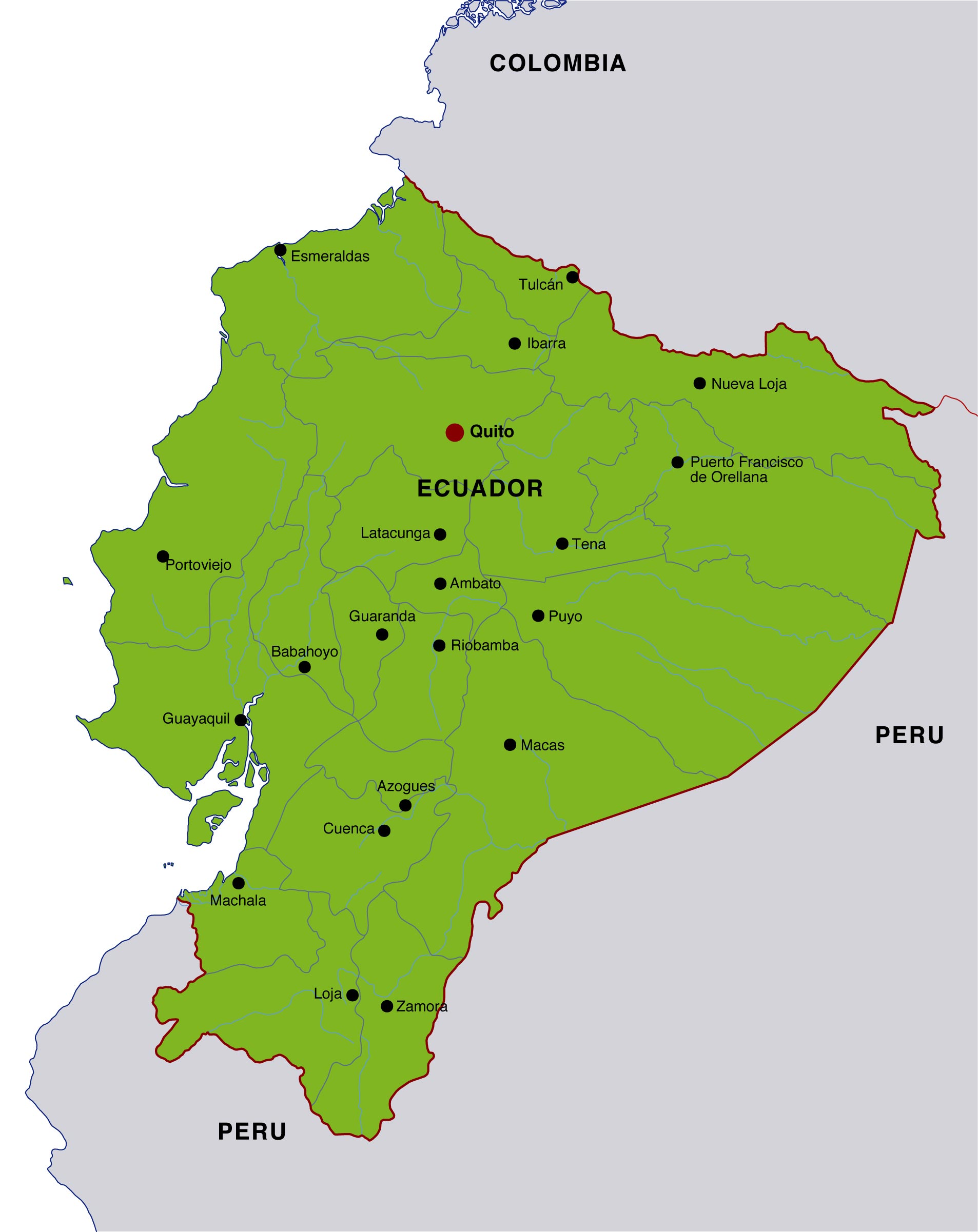
Zaruma, Ecuador is a historic gold-mining town in El Oro Province that looks postcard-perfect from the street but sits atop a long, complicated story of wealth, labor, and ground instability. The town's charm comes from its republic-era architecture, mountain setting, and coffee culture, while its hidden story is the centuries of mining that shaped both its identity and its risks.
Why Zaruma Matters
Zaruma is not just another colonial-looking Ecuadorian town; it is one of the country's most distinctive heritage places because its landscape, buildings, and traditions were all influenced by mining. UNESCO's World Heritage documentation says the town's mining history stretches from pre-Hispanic times through colonial rule and into the modern republic, and that this has left a deep mark on both the city and its people. The town also appears on Ecuador's cultural heritage radar as a place where architecture, oral traditions, food, and everyday knowledge of nature all grew out of a mining economy.

For many visitors, the first impression of gold town Zaruma is visual: wooden balconies, steep streets, cooler mountain air, and a slower pace than Ecuador's coastal cities. The deeper reality is that the town's beauty is inseparable from the same mineral wealth that brought prosperity and also created danger. That contrast is exactly why Zaruma continues to attract historians, travelers, journalists, and UNESCO watchers.
History In Brief
Mining history in Zaruma goes back far earlier than the Spanish era, with pre-Hispanic peoples already working or trading for gold in the region. UNESCO notes a local legend tied to the SARA-UMA people and gold carried toward Cajamarca during the Inca period, which shows how long the area's mineral value has been known. Spanish colonizers were drawn to the "Hill of Gold," and the town later became known for its royal mining identity and its formal founding in the late 16th century.
According to historical summaries of the town, a definitive founding date of 8 December 1595 is commonly cited, and later records note that a major earthquake on 20 January 1749 devastated much of the city and its mines. These details matter because they explain why Zaruma's built environment is so layered: indigenous roots, colonial extraction, republican rebuilding, and modern preservation all overlap in one compact mountain town. That history is part of the reason the town has been considered for UNESCO World Heritage recognition since 1998.
"Zaruma's mining history dates back to pre-Hispanic times, colonial times and as the independent republic of Ecuador," UNESCO's tentative-list summary states, underscoring how central extraction has been to the town's identity.
The Hidden Story
Hidden story is the right phrase because Zaruma's most famous attraction is also its greatest vulnerability. BBC reporting has described the town as a place where gold has been exploited for more than 500 years, with thousands of people in and around the area still tied to artisanal mining. In other words, the town's prosperity and its instability come from the same underground reality.
That reality became impossible to ignore when large sinkholes and subsidence risks began drawing attention to illegal and unmanaged underground excavation. The issue is not simply aesthetic or academic; it affects homes, roads, and public confidence in the safety of the city center. Zaruma's story therefore includes a very modern tension: protecting heritage while confronting a mining system that can undermine the ground beneath it.
| Topic | What it means in Zaruma | Why it matters |
|---|---|---|
| Historical origin | Pre-Hispanic gold activity, then Spanish colonial mining | Explains the town's long resource-driven development |
| Built heritage | Republic-era architecture and preserved streetscapes | Creates the town's tourist appeal |
| Economic base | Artisanal and formal gold mining, plus coffee and small commerce | Shapes jobs, migration, and local identity |
| Modern risk | Subsurface instability linked to mining activity | Threatens homes, infrastructure, and heritage conservation |
What Visitors See
Historic center Zaruma is often described as one of Ecuador's most atmospheric small towns because its architecture feels preserved rather than staged. Visitors come for the wooden facades, hillside views, and the sense that the town still lives at a human scale. The setting at roughly 1,200 meters above sea level also gives it a temperate climate that makes walking the steep streets more pleasant than in much hotter lowland destinations.
Tourism material commonly highlights local coffee, old republican houses, and a feeling of discovery that makes Zaruma feel like a "local secret." The town's appeal is not limited to monuments; it is also in its daily life, from cafés and bakeries to miners' stories and family-run businesses. That mix of heritage and lived-in character is one reason Zaruma stands out among Ecuadorian towns.
Why UNESCO Cares
UNESCO interest in Zaruma is rooted in the idea that the town is a complete cultural landscape, not just a pretty center with old buildings. The UNESCO tentative-list entry emphasizes material heritage, including urban design, architecture, and landscape, as well as intangible heritage such as oral traditions, festivals, foods, and local knowledge. This broader view makes Zaruma relevant to heritage experts because it shows how economy and culture can evolve together.
The town's candidacy also reflects a common UNESCO concern: safeguarding a place whose history is inseparable from the very activity that can damage it. Zaruma is a case study in how heritage protection becomes harder when the economic engine is also a structural threat. For policymakers, that makes the town more than a tourist site; it becomes a live test of conservation, enforcement, and community resilience.
Key Facts
- Location: Southern Ecuador, in El Oro Province.
- Known for: Gold mining, republic-era architecture, coffee, and cultural heritage.
- Historic roots: Mining activity predates the Spanish period.
- Common founding date: 8 December 1595 in historical summaries.
- UNESCO status: Listed on the World Heritage tentative list.
- Main modern challenge: Ground instability linked to underground mining.
What To Know Before You Go
Travel planning for Zaruma should account for its steep terrain, its small-town infrastructure, and the fact that it is not just a sightseeing stop but a living community with real safety and conservation concerns. Visitors should expect narrow streets, hillside viewpoints, and a compact center best explored on foot. The town is most rewarding when approached slowly, because much of its appeal lies in small details rather than major landmarks.
- Walk the historic center first, because the architecture and street layout explain the town's character.
- Ask about mining history, because local guides and residents often connect daily life to the underground economy.
- Try local coffee and regional food, because cuisine is part of Zaruma's cultural identity.
- Pay attention to safety notices, because subsurface risk is part of the town's modern reality.
FAQ
Why The Story Sticks
Zaruma Ecuador stays memorable because it resists easy categorization. It is not only a scenic town, not only a mining town, and not only a heritage candidate; it is all three at once. That layered identity is why the town continues to draw attention: it tells a broader Latin American story about extraction, memory, preservation, and the costs of wealth pulled from underground.
What are the most common questions about Ecuador Zaruma Is Charming Until You Hear Its Hidden Story?
What is Zaruma, Ecuador?
Zaruma is a historic mining town in southern Ecuador known for its gold history, preserved architecture, and cultural heritage. It is one of the country's best-known examples of a place where beauty and extraction are tightly linked.
Why is Zaruma famous?
Zaruma is famous for gold mining, republic-era buildings, coffee culture, and a landscape that reflects centuries of human activity. It is also famous because its underground mining has created modern stability concerns.
Is Zaruma a UNESCO site?
Zaruma is on UNESCO's World Heritage tentative list rather than the main World Heritage List. That status reflects its significance and the case being made for its cultural value.
What is the danger in Zaruma?
Zaruma faces subsurface instability linked to mining activity, including the risk of sinkholes and damage to buildings and streets. This is the central hidden story behind the town's picturesque surface.
What should travelers expect?
Zaruma offers scenic streets, historic charm, and a strong sense of local identity, but it is also a place where mining history is present in daily life. Visitors should treat it as both a heritage destination and a community shaped by ongoing environmental risk.