Ecuador Provincias Y Sus Capitales: El Dato Que Todos Olvidan
- 01. Complete List of Provinces and Capitals
- 02. How Ecuador's Provinces Are Organized
- 03. Key Facts About Major Provinces
- 04. Historical Evolution of Provinces
- 05. Why Capitals Matter in Ecuador
- 06. Geographical Diversity Across Provinces
- 07. Practical Uses of Knowing Provinces and Capitals
- 08. Frequently Asked Questions
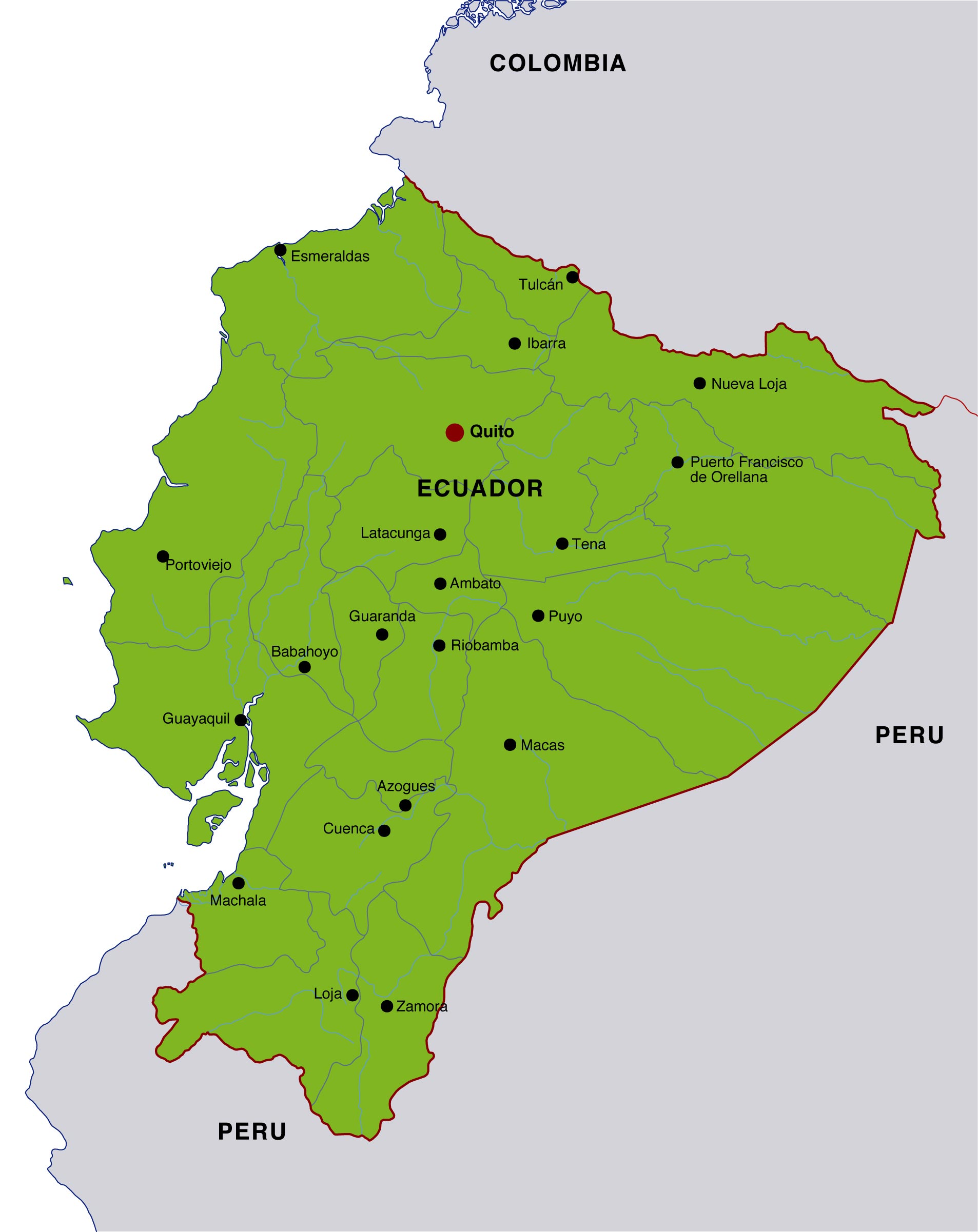
Ecuador is divided into 24 provinces, and each province has its own capital city; for example, Pichincha's capital is Quito, Guayas' capital is Guayaquil, and Azuay's capital is Cuenca. These provinces form the country's primary administrative structure, spanning four regions: the Coast, Highlands (Sierra), Amazon, and Galápagos. Understanding Ecuador's provinces and capitals is essential for geography, travel, and governance because each capital serves as the political and economic hub of its province.
Complete List of Provinces and Capitals
The following table presents all Ecuadorian provinces alongside their capitals, offering a clear and structured overview of the national territorial division used since the latest administrative adjustments in 2007, when Santa Elena and Santo Domingo de los Tsáchilas became provinces.

| Province | Capital | Region |
|---|---|---|
| Azuay | Cuenca | Sierra |
| Bolívar | Guaranda | Sierra |
| Cañar | Azogues | Sierra |
| Carchi | Tulcán | Sierra |
| Chimborazo | Riobamba | Sierra |
| Cotopaxi | Latacunga | Sierra |
| El Oro | Machala | Coast |
| Esmeraldas | Esmeraldas | Coast |
| Galápagos | Puerto Baquerizo Moreno | Galápagos |
| Guayas | Guayaquil | Coast |
| Imbabura | Ibarra | Sierra |
| Loja | Loja | Sierra |
| Los Ríos | Babahoyo | Coast |
| Manabí | Portoviejo | Coast |
| Morona Santiago | Macas | Amazon |
| Napo | Tena | Amazon |
| Orellana | Puerto Francisco de Orellana | Amazon |
| Pastaza | Puyo | Amazon |
| Pichincha | Quito | Sierra |
| Santa Elena | Santa Elena | Coast |
| Santo Domingo de los Tsáchilas | Santo Domingo | Coast |
| Sucumbíos | Nueva Loja | Amazon |
| Tungurahua | Ambato | Sierra |
| Zamora Chinchipe | Zamora | Amazon |
How Ecuador's Provinces Are Organized
Ecuador's provinces are grouped into four main geographical regions, each with distinct climates, cultures, and economic activities. According to the National Institute of Statistics and Census (INEC), about 63% of the population lives in urban areas concentrated in provincial capitals like Quito and Guayaquil, highlighting the importance of these cities in national development.
- Coastal Region: Includes Guayas, Manabí, and El Oro; known for agriculture, ports, and trade.
- Sierra (Highlands): Includes Pichincha, Azuay, and Cotopaxi; characterized by Andean cities and historical centers.
- Amazon Region: Includes Napo and Pastaza; rich in biodiversity and natural resources.
- Galápagos Region: A unique island province with strict environmental protections.
Key Facts About Major Provinces
Some provinces stand out due to population size, economic power, or historical relevance within the Ecuadorian administrative system. These provinces often shape national policy and economic trends.
- Pichincha: Home to Quito, Ecuador's capital, with over 2.7 million residents as of 2024 estimates.
- Guayas: The most populous province, anchored by Guayaquil, the country's main port and commercial hub.
- Azuay: Known for Cuenca, a UNESCO World Heritage Site recognized in 1999.
- Manabí: A coastal province central to agriculture and fishing industries.
Historical Evolution of Provinces
The current structure of Ecuador's provinces has evolved over nearly two centuries. The territorial organization reforms began after independence in 1830, when Ecuador initially had just three departments. Over time, new provinces were created to improve governance and regional representation.
- 1830: Ecuador gains independence and establishes initial territorial divisions.
- 1900-1950: Expansion of provinces in the Sierra and Coast regions.
- 2007: Creation of Santa Elena and Santo Domingo de los Tsáchilas as the newest provinces.
According to historian María Fernanda López (University of Quito, 2022), "provincialization in Ecuador has always followed population growth and infrastructure expansion, ensuring more localized governance." This reflects how capitals became administrative centers with increasing autonomy.
Why Capitals Matter in Ecuador
Each provincial capital serves as the center of government, commerce, and infrastructure. The provincial capital cities host administrative offices, courts, and regional economic hubs, making them critical to both governance and daily life.
For example, Quito not only governs Pichincha but also functions as Ecuador's national capital, while Guayaquil drives approximately 30% of the country's GDP through trade and logistics. Smaller capitals like Tena or Macas play vital roles in connecting remote Amazon regions.
Geographical Diversity Across Provinces
Ecuador is one of the most geographically diverse countries per square kilometer, and this diversity is reflected in its provincial landscapes. From Andean peaks to tropical rainforests, each province offers distinct environmental features.
- Chimborazo: Home to Ecuador's highest peak at 6,263 meters.
- Esmeraldas: Known for its Afro-Ecuadorian culture and coastal biodiversity.
- Galápagos: Contains 97% protected land under national park status.
- Zamora Chinchipe: A biodiversity hotspot in the Amazon basin.
Practical Uses of Knowing Provinces and Capitals
Understanding Ecuador's provinces and capitals is useful beyond geography classes. The provincial structure knowledge helps in travel planning, logistics, education, and even business expansion strategies.
- Travel: Helps identify key cities and transportation hubs.
- Education: Essential for exams and civic knowledge.
- Business: Assists in market analysis and regional investment.
- Government: Important for understanding local administration.
Frequently Asked Questions
What are the most common questions about Ecuador Provincias Y Sus Capitales El Dato Que Todos Olvidan?
How many provinces does Ecuador have?
Ecuador has 24 provinces, each with its own capital city and local government structure.
What is the capital of Ecuador and which province is it in?
The capital of Ecuador is Quito, and it is located in the province of Pichincha.
Which is the largest province in Ecuador?
Morona Santiago is the largest province by area, located in the Amazon region.
Which province has the largest population?
Guayas is the most populous province, with Guayaquil as its capital and economic center.
What is the newest province in Ecuador?
Santa Elena and Santo Domingo de los Tsáchilas are the newest provinces, both established in 2007.
Are all provincial capitals the largest cities in their provinces?
No, while many capitals are major cities, some provinces have larger urban areas outside the capital, especially in coastal regions.