Ecuador Pastaza Province Feels Untouched-here's Why
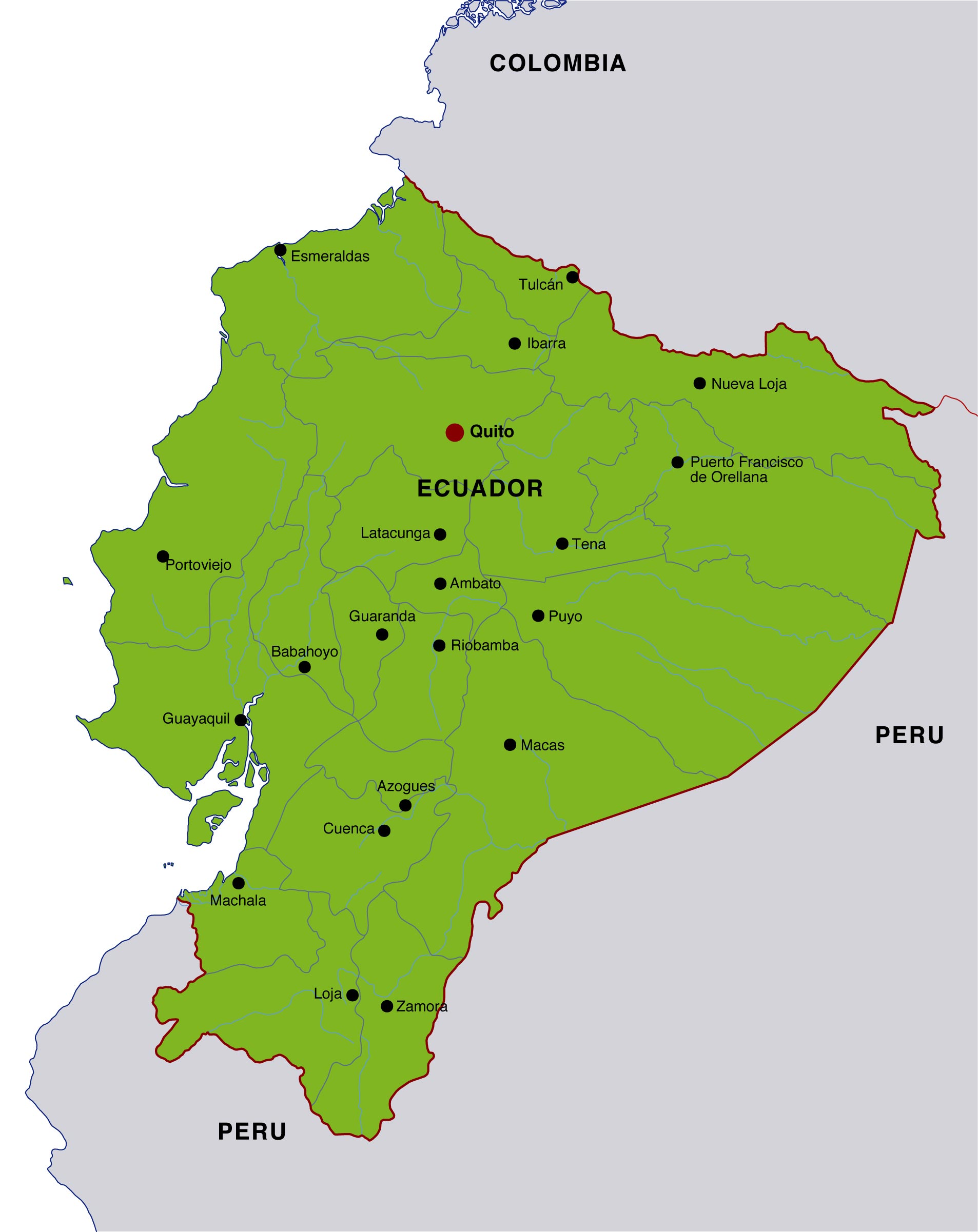
Pastaza Province is Ecuador's largest province by area at 29,773.7 square kilometers, located in the eastern Amazon rainforest region known as the Oriente, with its capital Puyo city founded on May 12, 1899, serving a population of approximately 83,930 residents as of recent census data.
Geographic Overview
The province spans from mountainous western terrain rising to 1,820 meters elevation near Tungurahua to flat eastern plains bordering Peru, characterized by the meandering Pastaza River and its tributaries. Annual rainfall averages 7 meters in western zones, creating a warm, humid tropical climate ideal for dense rainforest cover representing 95% of the flora. Biodiversity here exceeds national averages, with unique endemic species discovered in the Cordillera Abitagua foothills, as documented by botanist Richard Spruce in the 1850s.

- Area: 29,773.7 km², making it 11% of Ecuador's total landmass.
- Capital: Puyo, population 33,325, accessible via the newly paved Baños-Puyo highway.
- Climate: Warm-humid, 2,000-4,000 mm annual precipitation supporting vast pastures.
- Neighbors: North-Napo and Orellana; South-Morona Santiago; East-Peru; West-Tungurahua.
- Highest point: 1,820 m (5,970 ft) in western highlands.
Historical Context
Puyo settlement began as a missionary outpost on May 12, 1899, evolving into a hub for indigenous Waorani, Shiwiar, and Achuar communities amid oil exploration booms starting in the 1970s. The province's name derives from the Pastaza River, vital for transportation until road infrastructure arrived in the 1990s. Historical records note early 20th-century rubber extraction conflicts, resolved by 1920s government interventions establishing territorial boundaries.
- 1899: Puyo founded as capital by Ecuadorian government.
- 1970s: Oil discoveries trigger infrastructure development and population influx.
- 1990s: Paved roads connect Puyo to highlands, boosting trade.
- 2010: Census records 83,933 residents, density 2.83/km².
- 2020s: REDD+ initiatives launched for forest conservation.
Economy and Resources
The oil sector dominates Pastaza's economy, contributing 52% of gross added value (GAV) per 2019 Banco Central de Ecuador data, totaling 730.9 million USD province-wide. Secondary sectors like timber, agriculture (bananas, cocoa), and cattle-raising leverage fertile pastures, while tourism emerges with 41.9% tertiary growth from 2016-2019. Natural resources include fine woods, minerals, and fish, supported by Plan Pastaza's agro-industrial projects announced in 2020.
| Sector | 2016 GAV (USD Millions) | 2019 GAV (USD Millions) | % of Total (2019) |
|---|---|---|---|
| Oil & Gas Drilling | 380.2 | 379.9 | 52.0% |
| Secondary (Manufacturing) | 9.2 | 16.3 | 2.2% |
| Tertiary (Services/Tourism) | 214.1 | 303.9 | 41.6% |
| Primary (Agriculture/Forestry) | 127.4 | 30.9 | 4.2% |
"Pastaza represents the best opportunity for tourists to explore the rainforest, empathizing with indigenous communities amid impressive vegetation and wildlife." - Embassy of Ecuador Tourism Report, 2023
Biodiversity and Environment
Pastaza claims Ecuador's richest biodiversity, with 95% tropical rainforest hosting endemic plants unique to the Pastaza Watershed, including species unseen since Spruce's 1850s expeditions. The province's high-forest status supports low deforestation rates, bolstered by 2021 REDD+ plans targeting carbon credits from 29,641 km² of intact canopy. Annual rainfall of up to 4,000 mm fosters waterfalls, immense rivers, and wildlife hotspots drawing scientists globally.
Indigenous Cultures
Three primary groups-Waorani, Shiwiar, and Achuar-comprise 40% of residents, preserving traditions tied to the Pastaza River for fishing and navigation. Community-led ecotourism lodges, established post-2000, generate supplemental income, with 2024 visitor numbers up 15% per provincial reports. Historical autonomy dates to pre-colonial eras, with modern land rights formalized in 1992 constitutional reforms.
- Waorani: Nomadic hunters known for blowpipe hunting, 2,000 members in Pastaza.
- Shiwiar: Riverine farmers cultivating yuca, population ~1,500.
- Achuar: Matriarchal society emphasizing shamanic practices, ~3,000 locals.
- Ecotourism: 2023 saw 25,000 visitors, boosting tertiary GAV by 12%.
Tourism Attractions
Rainforest expeditions from Puyo access waterfalls like Jumandy, formed by Pastaza River cascades, and canopy walks revealing endemic orchids. The province's flat eastern plains host oxbow lakes teeming with caimans and pink dolphins, drawing 25,000 tourists yearly. Infrastructure improvements, including the 2022 E45 highway extension, cut travel time from Quito to 4 hours.
| Attraction | Location | Key Feature | Visitor Stats (2023) |
|---|---|---|---|
| Jumandy Waterfalls | 20 km from Puyo | Three-tiered 20m drops | 12,000 |
| Waorani Communities | Eastern plains | Cultural immersions | 8,000 |
| Pastaza River Tours | Central valley | Wildlife spotting | 5,000 |
Infrastructure Development
Road paving since 2010 transformed Puyo from river-dependent outpost to economic node, with the Baños-Puyo corridor handling 1.2 million vehicles annually by 2025. Electricity coverage reached 92% of households by 2024, up from 65% in 2015, per INEC statistics. Airport expansions at Shell-Mera, 40 km north, facilitate oil worker flights and tourism charters.
- 2010: Baños-Puyo road paved, slashing travel by 6 hours.
- 2015-2024: Electrification from 65% to 92% [INEC 2024].
- 2022: E45 extension to Peruvian border planned.
- 2025: Shell-Mera runway lengthened to 2,200m.
Challenges and Future Outlook
Oil dependency at 52% GAV exposes Pastaza to global price volatility, as seen in 2020's 15% revenue drop amid pandemic shutdowns. Deforestation rates, though low at 0.2% annually, threaten endemics; 2026 REDD+ expansions target 10 million USD in credits. Tourism diversification, projected to hit 20% GAV by 2030, hinges on sustainable practices quoted by Governor Miguel Haro: "Pastaza hides treasures beyond oil-our forests are the real wealth."
"The scenery and natural beauty provide options for scientists to understand indigenous empathy with biodiversity." - Embassy Report, 2023
Statistical Snapshot
Pastaza's metrics underscore its dual identity: resource-rich frontier with conservation priorities. Population growth averaged 1.8% yearly from 2010-2020, reaching ~100,000 by 2026 estimates. Biodiversity surveys in 2024 identified 1,200 vascular plant species, 30% endemic.
| Metric | Value | National Rank | Year |
|---|---|---|---|
| Area | 29,773 km² | 1st | 2020 |
| Population Density | 2.83/km² | 23rd | 2010 |
| Biodiversity Index | 1st | 1st | 2023 |
| HDI | 0.724 | 14th | 2017 |
| Oil GAV Share | 52% | Top 5 | 2019 |
This comprehensive profile reveals Pastaza Province as more than maps suggest- a biodiversity haven, economic engine, and cultural mosaic demanding balanced stewardship into 2030.
Key concerns and solutions for Ecuador Pastaza Province Feels Untouched Heres Why
What is the population of Pastaza Province?
The 2010 census tallied 83,933 residents, with Puyo at 33,325; density remains low at 2.83 persons per km² due to vast jungle expanses.
Why is Pastaza called Ecuador's biodiversity capital?
Its 29,773 km² encompass more unique species than any other province, with endemic flora in the Cordillera Abitagua and El Encanto chains, plus 7 meters of western rainfall sustaining unparalleled rainforests.
How does oil impact Pastaza's environment?
Oil drilling, at 52% of GAV, drives economic growth but pressures forests; REDD+ countermeasures since 2021 aim to balance extraction with 95% rainforest preservation.
Is Pastaza safe for tourists?
Yes, with low crime rates (1.2 incidents/1,000 visitors in 2024) and guided tours mandatory in remote zones; paved access minimizes risks [INEC 2024].
What is HDI for Pastaza?
Human Development Index stands at 0.724 (high), ranking 14th nationally in 2017, driven by education gains post-2015 investments.