Ecuador Ingapirca Inca Ruins Feel Almost Untouched
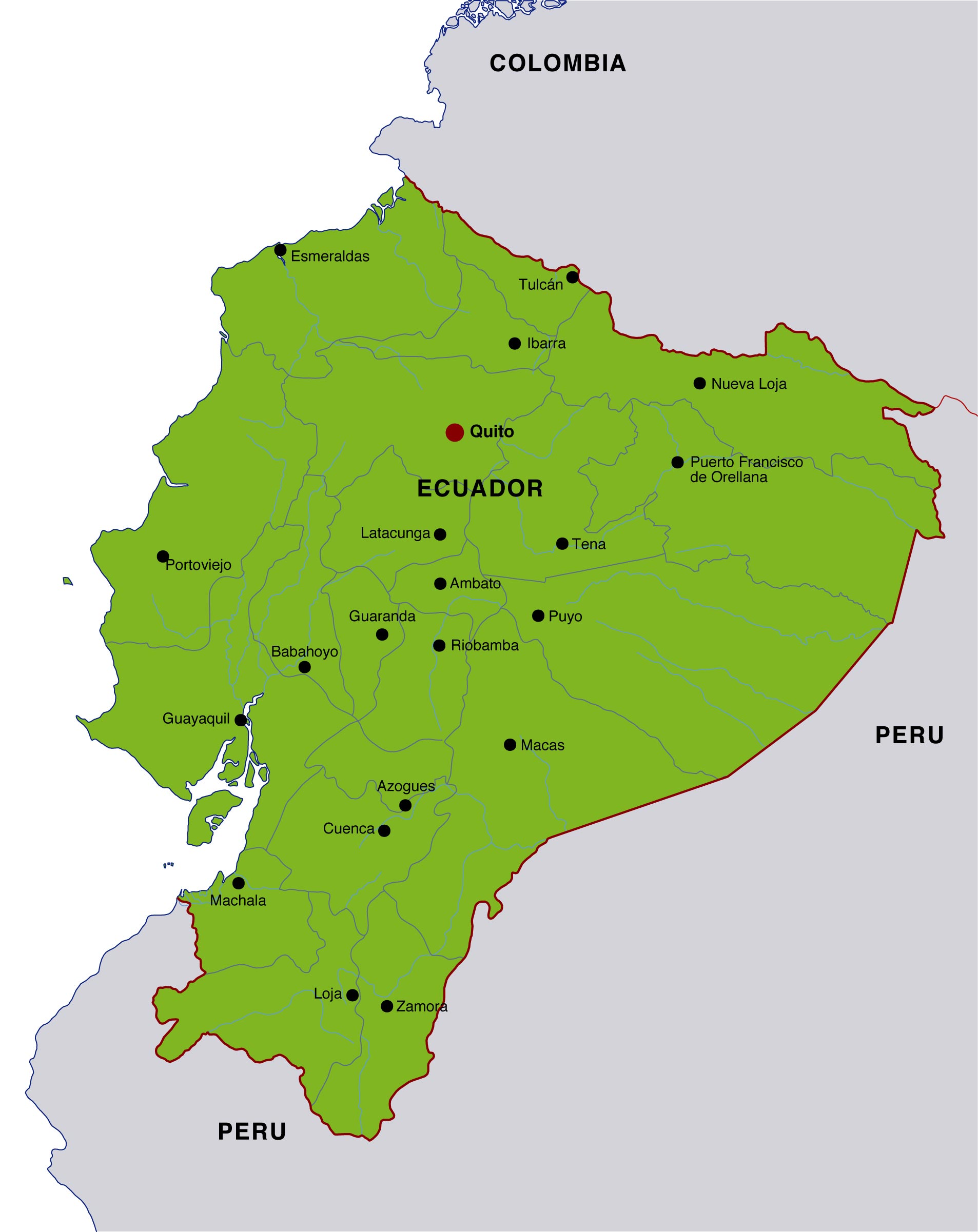
- 01. Ecuador's Ingapirca ruins are the country's most important Inca archaeological site, and they are often described as a smaller, culturally unique counterpart to Machu Picchu. Located in Cañar province about 80 kilometers north of Cuenca, Ingapirca combines Inca and Cañari heritage, with its best-known monument being the elliptical Temple of the Sun, making it a standout destination for travelers who want history, scenery, and fewer crowds than Peru's famous citadel.
- 02. What Ingapirca is
- 03. Why it matters historically
- 04. Ingapirca vs. Machu Picchu
- 05. What to see on site
- 06. How to visit
- 07. Best reasons to go
- 08. Fast facts
- 09. Travel takeaway
Ecuador's Ingapirca ruins are the country's most important Inca archaeological site, and they are often described as a smaller, culturally unique counterpart to Machu Picchu. Located in Cañar province about 80 kilometers north of Cuenca, Ingapirca combines Inca and Cañari heritage, with its best-known monument being the elliptical Temple of the Sun, making it a standout destination for travelers who want history, scenery, and fewer crowds than Peru's famous citadel.
What Ingapirca is
Ingapirca means "Inca wall" in Kichwa, and the name reflects both the site's architecture and its historical significance in the Ecuadorian Andes. The ruins sit at roughly 3,160 to 3,200 meters above sea level, which gives the site dramatic views but also means visitors should expect cool temperatures, thin air, and rapid weather changes.
The Ingapirca complex is widely described as the largest known Inca ruin site in Ecuador, though it is not a single isolated fortress in the way many travelers imagine Machu Picchu to be. Instead, it is an archaeological landscape that reflects cooperation, contest, and cultural blending between the Cañari and Inca peoples.

Why it matters historically
The most important historical detail about Ingapirca is that it was not built as a simple act of conquest. Sources describing the site note that the Cañari and Inca lived in close relationship there, and the Incas built their Temple of the Sun alongside an existing Cañari sacred space rather than erasing it entirely. That makes Ingapirca especially valuable for understanding the politics of alliance and adaptation in the late pre-Columbian Andes.
Several accounts place the site's active use in the late 15th century and link its decline to the Inca civil war of 1529-1532, followed by the Spanish conquest. After that, stones were reportedly reused in colonial construction near Cuenca, and the site remained largely neglected until restoration efforts led to tourism opening in 1966.
"The site could therefore accommodate both cultures."
Ingapirca vs. Machu Picchu
People often compare Ingapirca to Machu Picchu because both are Inca-linked highland sites with strong visual appeal, but they are not equivalent in scale, fame, or setting. Machu Picchu is a world icon, while Ingapirca is Ecuador's most important Inca site and a better example of Inca-Cañari interaction than of imperial spectacle.
| Feature | Ingapirca, Ecuador | Machu Picchu, Peru |
|---|---|---|
| Primary identity | Largest Inca site in Ecuador, with Cañari-Inca fusion | Iconic Inca citadel and global landmark |
| Setting | Open highland site near Cañar and Cuenca | Mountain ridge above the Urubamba Valley |
| Main monument | Elliptical Temple of the Sun | Temple complexes, terraces, and urban sectors |
| Visitor experience | Quieter, more intimate, less crowded | Highly visited, heavily managed, globally famous |
| Best for | History lovers, archaeology, cultural context | Bucket-list travelers, iconic scenery, major Inca architecture |
In plain terms, Machu Picchu is the better-known "must-see," but Ingapirca is often the smarter choice for travelers who want a more authentic, less crowded, and more historically nuanced visit. The Ecuadorian site is especially compelling because it helps explain how the Inca state interacted with local peoples in the far north of its realm.
What to see on site
The Temple of the Sun is the star attraction at Ingapirca, and it is repeatedly identified as the site's most photogenic and best-preserved structure. It is elliptical in shape and is traditionally described as being built around or atop an older sacred rock associated with earlier Cañari worship.
Visitors also encounter terraces, ceremonial spaces, and a museum context that helps explain the archaeology of the complex. Because the site is exposed to mountain weather, visiting conditions can shift quickly from bright sun to cold wind or rain, so the experience is part archaeological visit and part high-Andes landscape tour.
- Temple of the Sun: the central monument and most photographed ruin.
- Cañari heritage: a crucial part of the site's identity, not just an Inca add-on.
- High-altitude scenery: broad views and thin air around 3,160 to 3,200 meters.
- Restored ruins: the site was restored before opening to tourists in 1966.
How to visit
Most travelers reach Ingapirca from Cuenca, and many descriptions frame it as an easy day trip from that city. The site is also accessible from the town of Cañar, making it convenient for travelers exploring Ecuador's southern highlands.
- Base yourself in Cuenca if you want the easiest logistics and the most accommodation choices.
- Plan for altitude by hydrating early and pacing yourself on arrival.
- Bring layers, sun protection, and rain gear because weather changes fast in the open highland setting.
- Allow time for the museum and interpretation, not just the photo stops.
Travel accounts suggest that guided access is common and that the site is straightforward to visit as part of a day tour, especially for travelers who want context for the Cañari and Inca history. The surrounding valley scenery is also part of the appeal, making the journey itself feel like a major part of the experience.
Best reasons to go
Ingapirca is not the right choice if you want a globally famous icon on the scale of Machu Picchu, but it is an excellent choice if you value history that is more layered and less staged. The site gives travelers a concentrated look at the northern reach of Inca influence, the survival of Cañari identity, and the archaeology of a place that mattered before, during, and after imperial rule.
A useful way to think about the site is that it offers a high-value, low-crowd alternative with strong educational payoff. For many visitors, that combination is exactly why the Ingapirca ruins are one of Ecuador's most rewarding cultural attractions.
Fast facts
The following facts are the most useful for travelers and researchers looking for a quick overview of the site. They also help distinguish Ingapirca from more generic "Inca ruins" labels used in travel marketing.
| Fact | Detail |
|---|---|
| Country | Ecuador |
| Province | Cañar |
| Elevation | About 3,160 to 3,200 meters above sea level |
| Best-known structure | Temple of the Sun |
| Meaning of name | "Inca wall" |
| Tourism opening | 1966 after restoration |
Travel takeaway
If your search for "Ecuador Ingapirca Inca ruins" is really about whether the site is worth a place on your itinerary, the answer is yes: it is one of the best archaeological experiences in Ecuador and a strong alternative to the more famous ruins of Peru. It is not Machu Picchu, but it does not need to be; its value lies in its unique history, its mountain setting, and its exceptional Cañari-Inca story.
Everything you need to know about Ecuador Ingapirca Inca Ruins Feel Almost Untouched
Is Ingapirca worth visiting?
Yes, Ingapirca is worth visiting if you care about archaeology, Andean history, and sites that reveal cultural exchange rather than only imperial grandeur. It is especially rewarding for travelers already in Cuenca or southern Ecuador, because it offers a meaningful historic site without the intense crowds associated with world-famous ruins.
Is Ingapirca the same as Machu Picchu?
No, Ingapirca is not the same as Machu Picchu. It is smaller, less famous, and historically distinct, but it is equally important in its own national context because it is Ecuador's most significant Inca archaeological site and a rare example of Cañari-Inca coexistence.
How high is Ingapirca?
Most sources place Ingapirca at roughly 3,160 to 3,200 meters above sea level. That elevation is high enough to affect some visitors, so a slower pace and basic altitude awareness are sensible.
What makes the Temple of the Sun special?
The Temple of the Sun is special because it is the site's most visible, best-preserved, and most symbolic structure. It is also associated with both Inca construction and earlier Cañari sacred tradition, which makes it the architectural heart of the site.
How old are the Ingapirca ruins?
The site is commonly associated with the late 15th century, when Inca influence expanded into the region. Its decline is tied to the early 16th century, especially the Inca civil war and the arrival of the Spanish.