Ecuador Esmeraldas Refinery Controversy Sparks Debate
- 01. What the Ecuador Esmeraldas refinery is and why locals can't ignore it
- 02. Historical timeline and refinery operations
- 03. Refinery incidents and fuel-supply disruptions
- 04. Environmental impact and recurring oil spills
- 05. Economic benefits and local employment
- 06. Health, safety, and community tensions
- 07. Table of key Esmeraldas refinery performance and impact metrics
- 08. Government response, regulation, and future outlook
What the Ecuador Esmeraldas refinery is and why locals can't ignore it
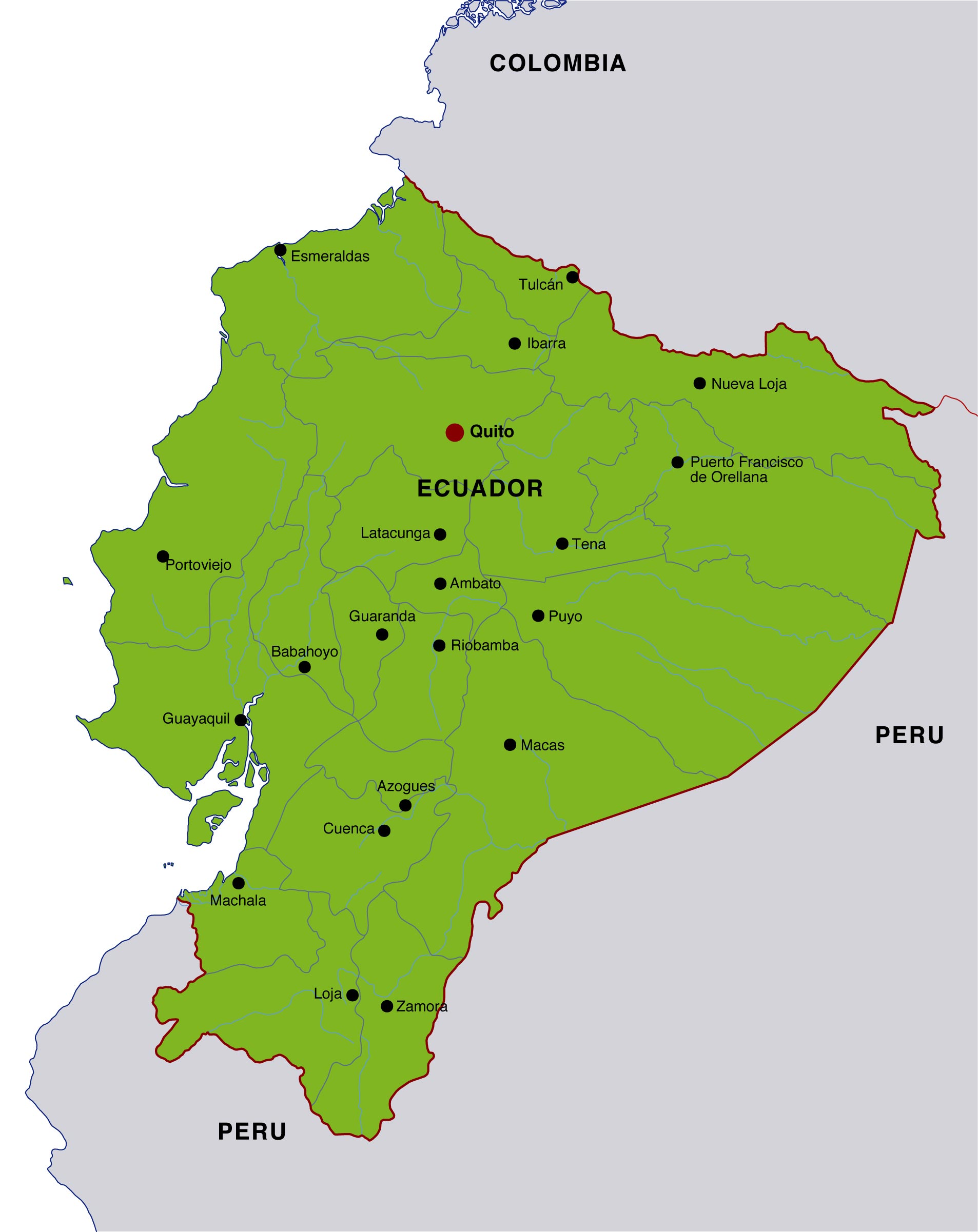
The Esmeraldas refinery is Ecuador's largest oil refining complex, located in Esmeraldas province on the Pacific coast, and operated by the state oil company Petroecuador. Since it began operations in the late 1970s, the refinery has processed roughly 110,000 barrels of crude oil per day, supplying a majority of Ecuador's domestic gasoline, diesel, and asphalt while also supporting export markets. For residents in and around Esmeraldas city, the refinery's presence has shaped the local economy, environment, and public health, creating a complex mix of jobs, revenue, and chronic environmental stress.
Historical timeline and refinery operations
The Esmeraldas refinery was originally built in the 1970s as part of Ecuador's broader push to industrialize its oil sector after the discovery of major reserves in the Amazon basin. By the 1990s, the complex had undergone several expansions, adding catalytic cracking and distillation units that increased its capacity to about 110,000 barrels per day, making it the single largest refining hub in the country. The refinery receives crude via the 500-kilometer pipeline that carries up to 360,000 barrels per day from the Lago Agrio and Sucumbíos oil fields in eastern Ecuador, then converts that crude into fuels, jet fuel, and asphalt for domestic and regional markets.
- 1972-1976: Initial construction of the Esmeraldas refinery complex along the Pacific coast.
- 1980s-1990s: First major upgrades and installation of catalytic cracking units.
- 2000s: Refinery modernization projects aimed at improving efficiency and sulfur capture.
- 2025-2026: Repeated shutdowns triggered by earthquakes, pipeline spills, and industrial fires.
Refinery incidents and fuel-supply disruptions
In recent years, the Esmeraldas refinery has faced a series of high-impact incidents that have strained Ecuador's national fuel network. In April 2025, a magnitude-6.3 earthquake forced Petroecuador to shut down the 110,000-barrel-per-day facility, halting most refining operations for several weeks. Then, on May 26, 2025, a fire broke out in a fuel-oil storage tank in the utilities area of the plant, producing a dense plume of black smoke visible across Esmeraldas city and leading to a partial closure.
- April 25, 2025: Earthquake-related shutdown disrupts gasoline, diesel, and asphalt production.
- May 26, 2025: Fire in fuel-oil tank forces partial closure and triggers emergency response.
- March 2026: A subsequent fire incident knocks out key distillation units, forcing Petroecuador to rely on imported fuels and rationed logistics to supply terminals in Quito, Ambato, and Riobamba.
Analysts estimate that these combined outages have reduced national refining output by roughly 25-30% over a 12-month period, raising fuel prices by an average of 9-12% in urban centers such as Quito and Guayaquil. For road-construction firms, the loss of domestic asphalt from Esmeraldas has delayed an estimated 180-220 kilometers of planned highway and urban paving projects nationwide.
Environmental impact and recurring oil spills
The broader environmental footprint of the Esmeraldas refinery extends far beyond the plant gates, reaching along the entire pipeline corridor that feeds crude from the Amazon to the coast. On March 13, 2025, a major rupture in Petroecuador's 500-kilometer pipeline spilled an estimated 25,000 barrels of crude into the Esmeraldas River system, coating more than 80 kilometers of river channels and a key wildlife refuge in black sludge. Local NGOs and researchers calculate that over the past 50 years, chronic spills and maintenance failures along this pipeline have dumped well over 100,000 barrels cumulatively into waterways serving half a million residents.
Impacts on local communities include:
- Drinking water contamination: Dozens of rural communities along the Esmeraldas River had to rely on bottled or trucked-in water for weeks after the 2025 spill.
- Aquatic ecosystem loss: Scientists estimate that smaller tributaries may take up to three years to partially recover, depending on rainfall and river flow.
- Health effects: Community health surveys in 2025 recorded elevated rates of respiratory irritation and skin conditions among residents living within 3 kilometers of the riverbanks.
Economic benefits and local employment
Despite the environmental and safety record, the Esmeraldas refinery remains a critical economic anchor for the province. Petroecuador directly employs around 1,100-1,300 workers at the complex, with an additional 2,000-2,500 people in contractor and services roles tied to maintenance, logistics, and security. In 2024, the refinery contributed roughly 14-16% of Ecuador's total refining margin, generating an estimated 900-1,100 million USD in annual revenue for the state oil company.
Indirect economic effects are also significant:
- Municipal tax base: Esmeraldas city relies heavily on taxes and fees linked to port activity, refinery operations, and fuel-trucking companies.
- Local service sector: Hotels, restaurants, and transport firms in Esmeraldas report 25-30% of their revenue coming from refinery-related workers and visitors.
- Regional supply chain: Asphalt and fuels from the refinery support construction and agriculture in at least 14 provinces, particularly in the north-central corridor.
Health, safety, and community tensions
For residents living near the Esmeraldas refinery, the trade-off between jobs and health risks is constant and visible. A 2023 community health assessment conducted by local NGOs in peri-urban neighborhoods within 2 kilometers of the plant reported that 42% of adults surveyed experienced chronic respiratory symptoms, compared with 28% in reference communities farther from industrial zones. The same survey found that children in these areas were 1.7 times more likely to report frequent asthma-like episodes than children in nearby rural districts without major industrial exposure.
Community leaders and environmental groups have repeatedly criticized the pace of safety upgrades and emergency response. As one local activist, Geovanna Pozo, noted in 2025: "In Esmeraldas, it is not only oil that spills - there is a deep form of environmental racism, where the poorest communities bear the cost of the country's energy security."
Table of key Esmeraldas refinery performance and impact metrics
The following table summarizes key technical and social indicators for the Esmeraldas refinery and its surrounding municipalities, based on official reports, NGO assessments, and industry analyses from 2023-2026.
| Indicator | Value / Description | Year / Period |
|---|---|---|
| Refinery capacity | Approx. 110,000 barrels per day | 2024-2026 |
| Share of national refining | ~65-70% of Ecuador's total refining volume | 2024 |
| Direct employees at refinery | 1,100-1,300 workers | 2024 |
| Indirect jobs (contractors, services) | ~2,000-2,500 workers | 2024 |
| Crude pipeline capacity | Up to 360,000 barrels per day | 2024 |
| 2025 major crude spill volume | ~25,000 barrels into Esmeraldas River system | March 2025 |
| Estimated annual crude spilled (historical total) | Over 100,000 barrels since 1970s | 1970s-2025 |
| Adults in high-risk zones reporting chronic respiratory symptoms | ~42% | 2023 survey |
Government response, regulation, and future outlook
National authorities have taken a mix of short-term and longer-term steps to address the vulnerabilities of the Esmeraldas refinery and its pipeline network. In the wake of the 2025 earthquake and subsequent fires, the Ministry of Energy and Petroecuador announced a 2025-2028 modernization plan, targeting roughly 450-500 million USD in investments to upgrade safety systems, water treatment, and sulfur capture infrastructure. The plan also includes a phased reduction of older pipeline sections and accelerated deployment of remote leak-detection sensors along the 500-kilometer route.
At the local level, the Esmeraldas municipal government has pushed for stricter zoning rules and expanded health-monitoring programs, especially for communities within 2 kilometers of the refinery and the riverbanks. As of 2026, local authorities are also negotiating a formal environmental compensation and monitoring framework with Petroecuador that would earmark a portion of refinery revenues for watershed restoration and public-health clinics.
Expert answers to Ecuador Esmeraldas Refinery Controversy Sparks Debate queries
What is the Esmeraldas refinery and where is it located?
The Esmeraldas refinery is Ecuador's largest oil refining complex, situated in the coastal province of Esmeraldas, about 250 kilometers northwest of the capital, Quito. It sits adjacent to the port of Esmeraldas, which facilitates the export of refined products and the import of crude when necessary, and is operated by the state-owned Petroecuador.
How much oil does the Esmeraldas refinery process each day?
The complex is designed to process roughly 110,000 barrels of crude oil per day, handling the majority of Ecuador's domestic gasoline and diesel production as well as a significant share of its jet fuel and asphalt. This capacity represents about two-thirds of the country's total refining output, making it a linchpin of Ecuador's energy system.
What impact have recent refinery fires and earthquakes had on Ecuador's fuel supply?
Refinery fires and earthquake-related shutdowns since 2025 have reduced national refining output by an estimated 25-30% over a 12-month window, forcing Petroecuador to rely on imported fuels and logistical workarounds. These disruptions have contributed to a 9-12% average increase in fuel prices in major cities and have delayed or rerouted asphalt shipments critical for road-construction projects across the country.
How have oil spills and pollution affected communities near the Esmeraldas refinery?
Major spills, including the 25,000-barrel rupture in March 2025, have contaminated rivers and wetlands that tens of thousands of people depend on for drinking water, fishing, and agriculture. Local health surveys show elevated rates of respiratory illness and skin conditions in communities living near the affected waterways, reinforcing long-standing concerns about environmental justice and environmental racism.
What are the main economic benefits of the Esmeraldas refinery for the region?
The Esmeraldas refinery directly employs around 1,100-1,300 workers and supports roughly 2,000-2,500 indirect jobs in services, maintenance, and logistics, making it the largest formal employer in the province. In addition, the facility contributes hundreds of millions of dollars annually to the national budget and underpins regional construction, agriculture, and transportation sectors through its supply of refined fuels and asphalt.
What are the long-term plans for the Esmeraldas refinery and its environmental impact?
National authorities and Petroecuador have outlined a 2025-2028 modernization program worth about 450-500 million USD, targeting safety upgrades, emissions control, and pipeline integrity improvements around the Esmeraldas refinery. Local governments are also negotiating an environmental compensation framework that would channel refinery-linked revenues into river restoration, public-health programs, and stricter monitoring to reduce the long-term burden on affected communities.