Ecuador Costa Sierra Y Oriente: The Divide That Changes Everything
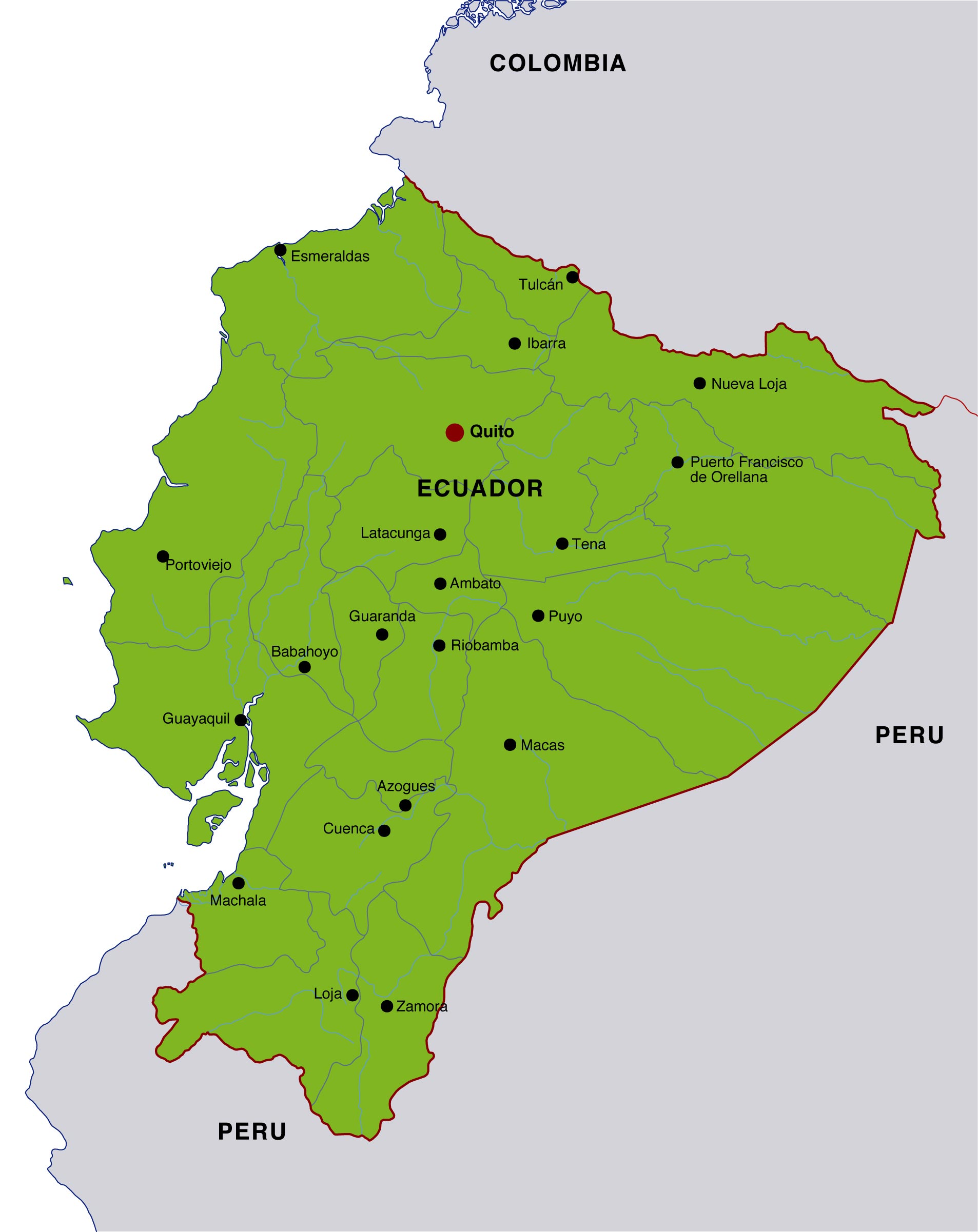
Ecuador Costa Sierra y Oriente: What the Three Regions Mean
Ecuador's Costa, Sierra, and Oriente are the country's three main continental regions, and they explain almost everything about its climate, culture, food, economy, and travel geography. The Andes Mountains split the nation from north to south, creating a coastal lowland, a highland spine, and an Amazonian east, with the Galápagos as a fourth insular region.
This regional divide is not just cartographic; it shapes daily life. The coast tends to be hotter and more humid, the highlands cooler and more urbanized, and the Oriente dominated by rainforest and indigenous territories.

Why the Divide Matters
The phrase Ecuador Costa Sierra y Oriente refers to a basic but powerful way Ecuadorians describe their country, often calling it a land of "four worlds" when the Galápagos is included. In practical terms, those worlds differ in altitude, rainfall, crops, transportation, architecture, and even social identity.
Geographically, Ecuador is small, but the contrasts are dramatic. The country had about 18.1 million people in 2024, with roughly 66% living in urban areas, and that population is concentrated unevenly across the three regions.
The Costa
The Pacific coast occupies western Ecuador and includes provinces such as Guayas, Manabí, Esmeraldas, Los Ríos, El Oro, and Santa Elena. It is known for warm weather, port cities, banana and cacao production, fishing, and a strong commercial link to the Pacific Ocean.
Guayaquil is the dominant economic center of the coast and one of the country's biggest cities, while smaller cities like Manta, Machala, and Esmeraldas anchor regional trade and logistics. Coastal identity often includes seafood dishes, beach culture, and the montubio tradition tied to rural agro-livelihoods.
- Climate: Hotter and more humid than the highlands, with seasonal differences shaped by ocean currents.
- Economy: Bananas, cacao, coffee, shrimp, ports, and fisheries.
- Urban centers: Guayaquil, Manta, Portoviejo, Machala, and Esmeraldas.
The Sierra
The Andean highlands, or Sierra, run through the middle of Ecuador and are defined by altitude rather than latitude. Because temperature falls as elevation rises, the region can shift from temperate valleys to cold páramo within a short drive.
Quito and Cuenca are the best-known highland cities, both tied to colonial history, government, education, and tourism. The Sierra is also where volcanic landscapes dominate travel narratives, especially the Avenue of the Volcanoes and the country's alpine agriculture.
Historically, the Sierra has been central to state formation, political power, and Catholic-era urban development. Ecuador's 2008 Constitution, approved in a referendum on 28 September 2008, later added a modern legal framework that emphasized decentralization, interculturalism, and the rights of nature.
| Region | Main geography | Typical climate | Economic strengths | Major cities |
|---|---|---|---|---|
| Costa | Pacific lowlands | Hot, humid, coastal | Bananas, cacao, shrimp, ports | Guayaquil, Manta, Machala |
| Sierra | Andean highlands | Cool to cold, altitude-driven | Government, tourism, agriculture | Quito, Cuenca, Ambato |
| Oriente | Amazon basin | Warm, wet, tropical | Oil, biodiversity, forestry, ecotourism | Coca, Puyo, Lago Agrio |
The Oriente
The Amazon basin, known in Ecuador as the Oriente, lies east of the Andes and is largely rainforest. It is Ecuador's least densely populated continental region and home to many Indigenous communities, river transport corridors, and ecotourism gateways.
The Oriente is also the region most associated with Ecuador's oil industry and environmental conflict. Parts of the Amazon have been heavily impacted by extraction, which has made the region central to debates over conservation, Indigenous rights, and national development.
"Ecuador's regional identity is inseparable from land, altitude, and memory," a useful way to understand why a person from Guayaquil, Quito, or the Amazon may describe home in very different terms.
History and Identity
Regional identity in Ecuador is unusually strong for such a compact country. Many Ecuadorians identify first with their region before their city, and the divide shows up in cuisine, dialect, dress, and local customs.
This matters because the country's history is a story of geography shaping politics. The highlands historically centered power, while the coast became the commercial engine and the Amazon remained a frontier of extraction and Indigenous survival.
- Understand the region first, because climate and altitude explain most differences in daily life.
- Link each region to its economic role, since the coast trades, the Sierra governs and cultivates, and the Oriente supplies resources and biodiversity.
- Use city examples, because Quito, Guayaquil, and Amazon towns make the regional divide easy to visualize.
Travel and Daily Life
Traveling across Ecuador can feel like crossing multiple countries in a single day. A morning in a cool Andean capital can be followed by an afternoon in tropical lowlands, which is why packing for Ecuador often means preparing for very different weather systems at once.
Food changes by region as well. Coast cuisine leans on seafood and plantains, Sierra cuisine often uses potatoes, corn, and roasted meats, and Oriente cooking frequently includes river fish, yucca, and Amazonian ingredients tied to Indigenous traditions.
Current National Context
Ecuador's population was estimated at 18,135,478 in 2024, and the country's growth rate has been modest, which makes regional concentration and migration patterns especially important for planning. Quito, Guayaquil, and Cuenca remain the largest urban anchors in the country, reflecting the continuing pull of the highlands and the coast.
The national picture is also shaped by environment and governance. Ecuador's 2008 Constitution recognized the state as plurinational and decentralized, while also making it globally notable for becoming the first country to constitutionally enshrine the Rights of Nature.
Frequently Asked Questions
Useful Summary
The simplest way to understand Ecuador geography is this: the Costa is commercial and coastal, the Sierra is highland and institutional, and the Oriente is Amazonian and resource-rich. That division still shapes where people live, how they work, what they eat, and how Ecuador sees itself in the world.
What are the most common questions about Ecuador Costa Sierra Y Oriente The Divide That Changes Everything?
What does Ecuador Costa Sierra y Oriente mean?
It means Ecuador's mainland is divided into the Coast, the Highlands, and the Amazon East, each with different climate, economy, and culture.
Which cities belong to the Costa, Sierra, and Oriente?
Guayaquil, Manta, and Machala are coastal; Quito, Cuenca, and Ambato are highland cities; and Coca, Puyo, and Lago Agrio are common Oriente references.
Why is the Sierra cooler than the Costa?
The Sierra sits at much higher elevation, and Ecuador's temperature drops as altitude rises, making the highlands far cooler than the coastal lowlands.
Is the Oriente the same as the Amazon?
Yes, in Ecuadorian usage the Oriente generally refers to the Amazonian eastern region of the country.
Why is regional identity so important in Ecuador?
Because geography has historically shaped jobs, food, climate, cities, and social life, Ecuadorians often see regional background as a core part of identity.