Ecuador Costa Rica FTA: Who Actually Benefits?
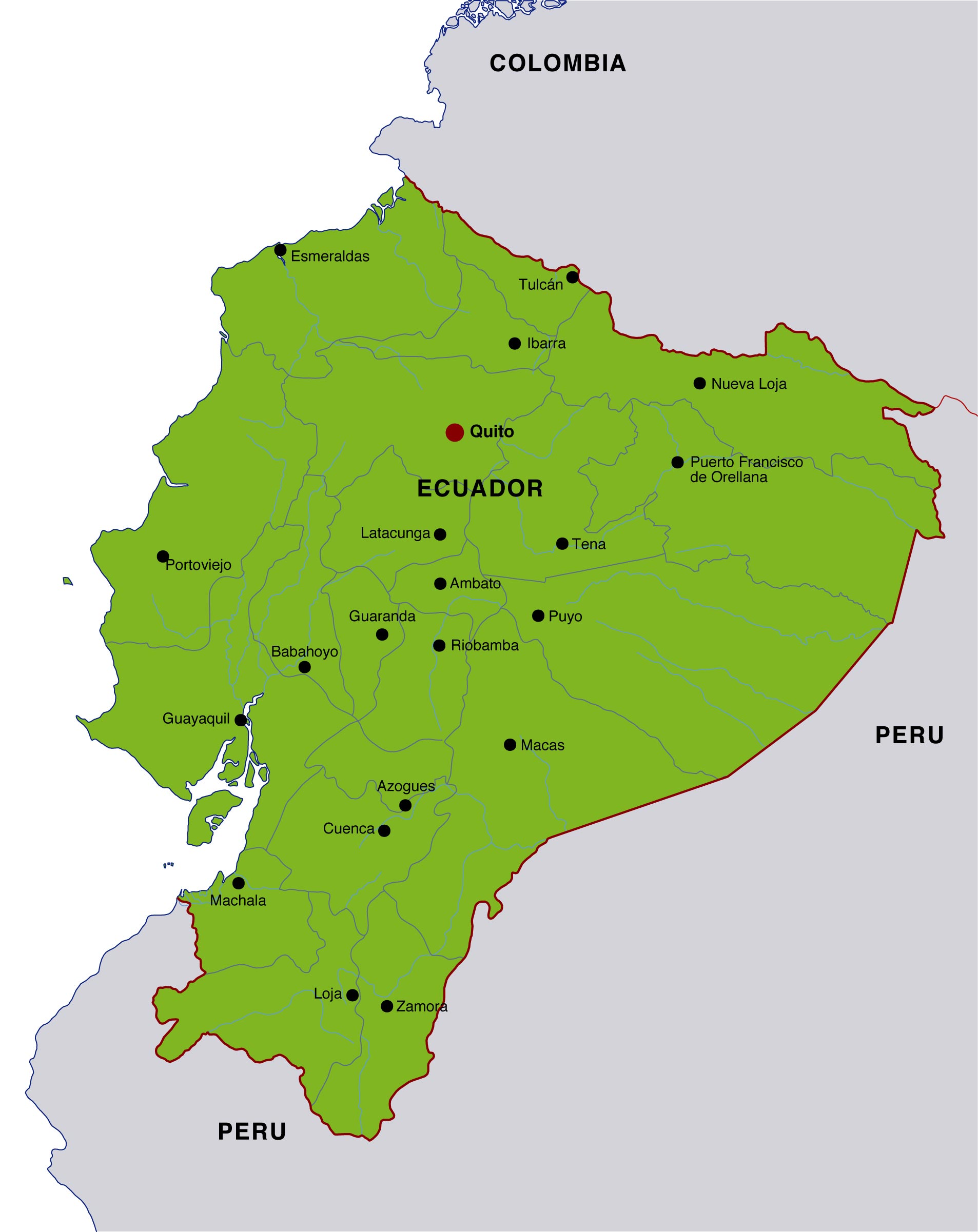
The proposed Ecuador-Costa Rica free trade agreement (FTA) is a bilateral trade deal aimed at reducing tariffs, expanding market access, and strengthening economic ties between the two countries, but critics warn it could disproportionately benefit large exporters while exposing vulnerable domestic industries-especially agriculture and small-scale manufacturing-to intensified competition. Negotiations advanced significantly between 2022 and 2024, with both governments framing the pact as part of a broader regional trade integration strategy in Latin America.
What the Ecuador-Costa Rica FTA Includes
The Ecuador-Costa Rica FTA is designed to eliminate tariffs on a majority of goods over a phased timeline while setting rules on services, investment, and intellectual property. Officials from Ecuador's Ministry of Production and Costa Rica's Ministry of Foreign Trade reported in late 2024 that roughly 85% of tariff lines would be liberalized within 10 years, reflecting a standard trade liberalization framework seen in recent agreements.

- Gradual elimination of tariffs on agricultural and industrial goods.
- Rules to protect foreign investment and ensure dispute resolution.
- Commitments on labor standards and environmental safeguards.
- Expanded access for services such as tourism, finance, and logistics.
- Customs facilitation measures to reduce border delays.
The agreement also includes digital trade provisions, marking a shift toward modern trade policy priorities. Analysts note that Costa Rica's experience in technology exports may give it an edge in this digital economy expansion clause.
Trade Relationship Background
Trade between Ecuador and Costa Rica has historically been modest but growing. According to 2023 estimates from regional trade observatories, bilateral trade reached approximately $450 million annually, driven largely by Ecuadorian exports of bananas, shrimp, and processed foods, and Costa Rican exports of medical devices and electronics. This imbalance has fueled debate about the agreement's impact on bilateral trade balance.
| Category | Ecuador Exports to Costa Rica | Costa Rica Exports to Ecuador |
|---|---|---|
| Primary Goods | Bananas, shrimp, cocoa | Medical devices, electronics |
| Estimated Value (2023) | $310 million | $140 million |
| Growth Rate (2020-2023) | +6.2% | +9.8% |
This trade structure reveals why policymakers see opportunity but also why critics fear asymmetric gains. Costa Rica's higher-value exports could expand faster under a tariff reduction schedule.
Why Critics Are Worried
Opposition groups in Ecuador, including agricultural unions and small business associations, argue that the FTA could undermine local producers who cannot compete with Costa Rica's more technologically advanced industries. A 2024 report by the Quito-based Policy Observatory estimated that up to 12% of small-scale farmers could face income declines under full implementation of the agreement, highlighting concerns over domestic industry protection.
Critics also warn that the agreement could accelerate dependency on imports of higher-value goods, reinforcing structural inequalities. Economist María Fernanda Ruiz stated in a public forum in March 2025,
"Trade agreements often promise growth, but without targeted safeguards, they can deepen existing disparities between export-oriented elites and local producers."Her remarks reflect broader skepticism toward free trade agreements in developing economies.
Labor groups in Costa Rica have also raised concerns, though from a different angle. They argue that increased competition could pressure wages in certain sectors, particularly agriculture and low-skilled manufacturing. This has sparked debate about whether the agreement sufficiently enforces labor rights protections.
Potential Economic Benefits
Supporters of the Ecuador-Costa Rica FTA argue that it will stimulate economic growth by increasing exports, attracting foreign investment, and lowering consumer prices. Ecuadorian officials project that exports to Costa Rica could grow by 18% within five years of implementation, driven by improved access to Central American markets.
- Increased export opportunities for Ecuadorian agricultural goods.
- Lower import costs for Costa Rican industrial inputs.
- Enhanced supply chain integration across the region.
- Greater foreign direct investment due to regulatory clarity.
- Expansion of service sectors such as tourism and logistics.
Proponents also highlight that Costa Rica's expertise in high-tech manufacturing could encourage knowledge transfer and innovation partnerships, fostering a more diversified economic development strategy in Ecuador.
Environmental and Social Concerns
Environmental groups have expressed concern that increased agricultural exports could lead to deforestation and biodiversity loss, particularly in Ecuador's coastal regions. A 2024 environmental impact assessment projected a potential 3-5% increase in land use for export crops, raising alarms about sustainable agriculture practices.
Social advocates argue that without strong enforcement mechanisms, labor and environmental provisions in the agreement may remain largely symbolic. This skepticism stems from previous trade deals in the region where compliance with environmental safeguards proved inconsistent.
Geopolitical Context
The Ecuador-Costa Rica FTA is part of a broader push toward regional integration amid shifting global trade dynamics. Both countries are seeking to diversify trade partners and reduce reliance on major economies such as the United States and China. Analysts view the agreement as a strategic move within the evolving Latin American trade landscape.
In addition, the deal aligns with efforts to strengthen ties within organizations like the Pacific Alliance, even though Ecuador is not a full member. This reflects a growing emphasis on regional economic cooperation as a buffer against global market volatility.
Implementation Timeline
The agreement has progressed through multiple negotiation rounds, with final ratification expected in stages depending on legislative approval in both countries. As of early 2026, officials indicated that implementation could begin as soon as late 2026 if political hurdles are cleared, marking a critical phase in the trade agreement process.
- 2022: Initial negotiations launched.
- 2023: Key chapters on goods and services finalized.
- 2024: Draft agreement completed and publicly reviewed.
- 2025: Legislative debates and stakeholder consultations.
- 2026: المتوقع ratification and phased implementation.
This timeline underscores the complexity of balancing economic ambition with domestic political realities in both countries.
FAQ
Helpful tips and tricks for Ecuador Costa Rica Fta Who Actually Benefits
What is the Ecuador-Costa Rica FTA?
The Ecuador-Costa Rica FTA is a bilateral trade agreement designed to reduce tariffs, expand market access, and promote investment and services trade between the two countries.
Why are critics concerned about the agreement?
Critics worry that the agreement could harm small farmers and local industries, increase inequality, and weaken environmental protections due to increased competition and insufficient safeguards.
Who benefits most from the FTA?
Large exporters, multinational companies, and sectors with competitive advantages-such as Costa Rica's technology and Ecuador's agriculture-are expected to benefit the most.
When will the agreement take effect?
If approved by both countries' legislatures, the agreement could begin implementation in late 2026, with tariffs phased out over several years.
Does the FTA include environmental protections?
Yes, the agreement includes environmental provisions, but critics argue that enforcement mechanisms may be weak based on past regional trade agreements.