Ecuador Climate Zones Feel Like Different Worlds
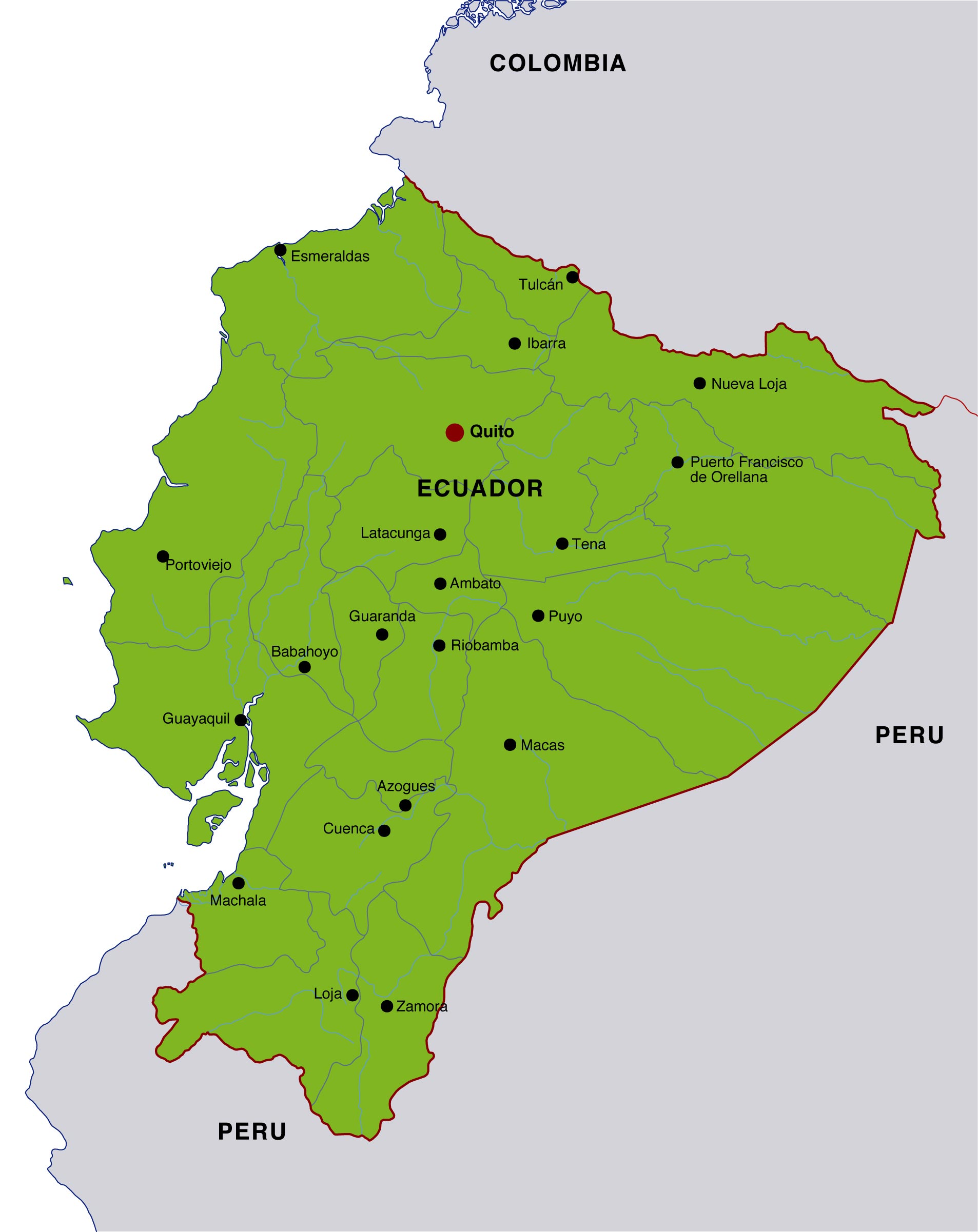
- 01. How Ecuador's climate zones work
- 02. Four primary climate zones explained
- 03. 1. Coastal lowlands (Costa)
- 04. 2. Andean highlands (Sierra)
- 05. 3. Amazon rainforest (Oriente)
- 06. 4. Galápagos Islands
- 07. Climate zones by elevation
- 08. Why one day feels like three climates
- 09. Seasonality and weather patterns
- 10. Historical and scientific context
- 11. Practical implications for travelers and residents
- 12. FAQ: Ecuador climate zones
Ecuador's climate zones are defined by altitude rather than latitude, meaning you can experience tropical heat, spring-like mildness, and near-freezing conditions all within a single day across short distances. The country is typically divided into four primary zones-the Coastal lowlands, the Andean highlands (Sierra), the Amazon rainforest (Oriente), and the Galápagos Islands-each with distinct temperature ranges, rainfall patterns, and seasonal behaviors shaped by elevation and ocean currents.
How Ecuador's climate zones work
Ecuador sits directly on the equator, yet its climate diversity comes from the Andes Mountains, which create dramatic vertical ecosystems known as altitudinal zonation. According to Ecuador's National Institute of Meteorology and Hydrology (INAMHI), temperature drops approximately 6.5°C for every 1,000 meters gained in elevation. This gradient explains why cities just 100 miles apart can have completely different climates.
- Coastal lowlands (Costa): Hot, humid, with seasonal rainfall influenced by El Niño.
- Andean highlands (Sierra): Mild days, cool nights, and strong sun exposure year-round.
- Amazon basin (Oriente): Consistently warm, very humid, and among the wettest regions.
- Galápagos Islands: Moderated by ocean currents, with distinct warm and cool seasons.
Four primary climate zones explained
1. Coastal lowlands (Costa)
The Pacific coastal region experiences tropical conditions, with average temperatures between 24°C and 31°C (75°F-88°F). Rainfall peaks between January and April, with Guayaquil averaging about 1,200 mm annually. The Humboldt Current cools the southern coast, while El Niño events can temporarily increase rainfall by up to 300%, as recorded during the 1997-1998 event.
2. Andean highlands (Sierra)
The Andes mountain corridor creates Ecuador's most variable daily climate, often described as "eternal spring." Cities like Quito (2,850 meters) average 10°C to 20°C (50°F-68°F), but temperatures can drop below 5°C at night. UV radiation is significantly higher due to elevation, with studies showing up to 40% stronger exposure compared to sea level.

3. Amazon rainforest (Oriente)
The Amazonian lowland forest is consistently warm and humid, with temperatures ranging from 23°C to 30°C (73°F-86°F). Annual rainfall exceeds 3,000 mm in some areas like Tena. Unlike other regions, rainfall is distributed throughout the year, though March to July tends to be wetter.
4. Galápagos Islands
The Galápagos archipelago climate is shaped by ocean currents rather than altitude. The warm season (December-May) brings temperatures around 26°C (79°F) and occasional rain, while the cool garúa season (June-November) features mist, cloud cover, and cooler waters averaging 22°C (72°F).
Climate zones by elevation
Beyond regional divisions, Ecuador's climate can also be categorized by elevation bands, which provide a more precise understanding of conditions across the vertical climate spectrum. This system has been used since the 19th century by geographers studying Andean ecosystems.
| Elevation Range | Climate Type | Average Temperature | Typical Locations |
|---|---|---|---|
| 0-1,000 m | Tropical (Tierra Caliente) | 25-31°C | Coast, Amazon basin |
| 1,000-2,000 m | Subtropical (Tierra Templada) | 18-24°C | Lower Andean valleys |
| 2,000-3,000 m | Temperate (Tierra Fría) | 10-18°C | Quito, Cuenca |
| 3,000-4,500 m | Cold (Páramo) | 0-10°C | High Andes grasslands |
| 4,500+ m | Glacial | Below 0°C | Volcano summits |
Why one day feels like three climates
Travelers often remark that Ecuador offers "four seasons in a day," a phenomenon driven by rapid elevation changes across the Andean transport corridors. For example, a morning in Quito may begin at 12°C, a midday drive to Mindo drops into humid cloud forest at 22°C, and an afternoon descent to the coast reaches 30°C.
- Morning in highlands: Cool temperatures, strong sunlight, low humidity.
- Midday in cloud forest: Warm, misty, and biologically rich conditions.
- Afternoon on coast: Hot, humid, and often breezy.
This rapid transition is possible because Ecuador's entire width is only about 280 km (174 miles), making it one of the few places where multiple distinct climate systems are accessible within hours.
Seasonality and weather patterns
Ecuador does not have traditional four seasons; instead, it cycles between wet and dry periods depending on the region. The intertropical convergence zone (ITCZ) shifts throughout the year, influencing rainfall patterns across all zones.
- Coast: Wet (Jan-Apr), dry (May-Dec).
- Sierra: Two rainy seasons (Feb-May, Oct-Nov).
- Amazon: Rain year-round, slightly wetter Mar-Jul.
- Galápagos: Warm/wet (Dec-May), cool/dry (Jun-Nov).
According to a 2024 climate assessment by Ecuador's Ministry of Environment, annual rainfall variability has increased by 12% over the past two decades, largely due to Pacific ocean anomalies linked to climate change.
Historical and scientific context
The classification of Ecuador's climate zones dates back to Alexander von Humboldt, who in 1802 documented how vegetation changes with altitude on Mount Chimborazo. His observations laid the foundation for the modern concept of ecological elevation gradients, now used globally in climate science.
"Nature in Ecuador is arranged not in zones of latitude, but in zones of height," Humboldt wrote in his journals, a principle still taught in geography today.
Modern satellite data confirms Humboldt's early findings, showing that Ecuador contains more than 90 distinct microclimates within its borders, one of the highest densities of climate variability per square kilometer in the world.
Practical implications for travelers and residents
Understanding Ecuador's climate zones is essential for planning travel, agriculture, and daily life. Farmers rely on predictable patterns in the Andean agricultural belts, while tourism operators design itineraries that span multiple climates in a single trip.
- Pack layers regardless of destination.
- Use sun protection at high altitudes.
- Expect sudden weather changes in mountainous areas.
- Plan coastal visits around rainy season timing.
Data from Ecuador's tourism ministry shows that 68% of international visitors experience at least two different climate zones during a single visit, reinforcing the country's reputation for multi-climate accessibility.
FAQ: Ecuador climate zones
What are the most common questions about Ecuador Climate Zones Feel Like Different Worlds?
What are the main climate zones in Ecuador?
The main climate zones are the Coastal lowlands, Andean highlands, Amazon rainforest, and Galápagos Islands, each defined by altitude, rainfall, and temperature patterns.
Why does Ecuador have so many climates?
Ecuador's climate diversity is caused by elevation changes from sea level to over 6,000 meters in the Andes, combined with ocean currents and equatorial positioning.
Is Ecuador hot all year?
Not everywhere-coastal and Amazon regions are warm year-round, but highland cities like Quito have mild to cool temperatures due to altitude.
When is the best time to visit Ecuador?
The best time depends on the region: June to September is ideal for the Andes, December to May for the coast and Galápagos, while the Amazon is accessible year-round.
How cold does it get in Ecuador?
In high-altitude areas above 3,000 meters, temperatures can drop near or below freezing at night, especially in the páramo and volcanic regions.
Do climate zones affect biodiversity?
Yes, Ecuador's varied climates support exceptional biodiversity, with over 16,000 plant species and 1,600 bird species distributed across its different ecological zones.