Ecuador Climate Regions Break Every Travel Rule
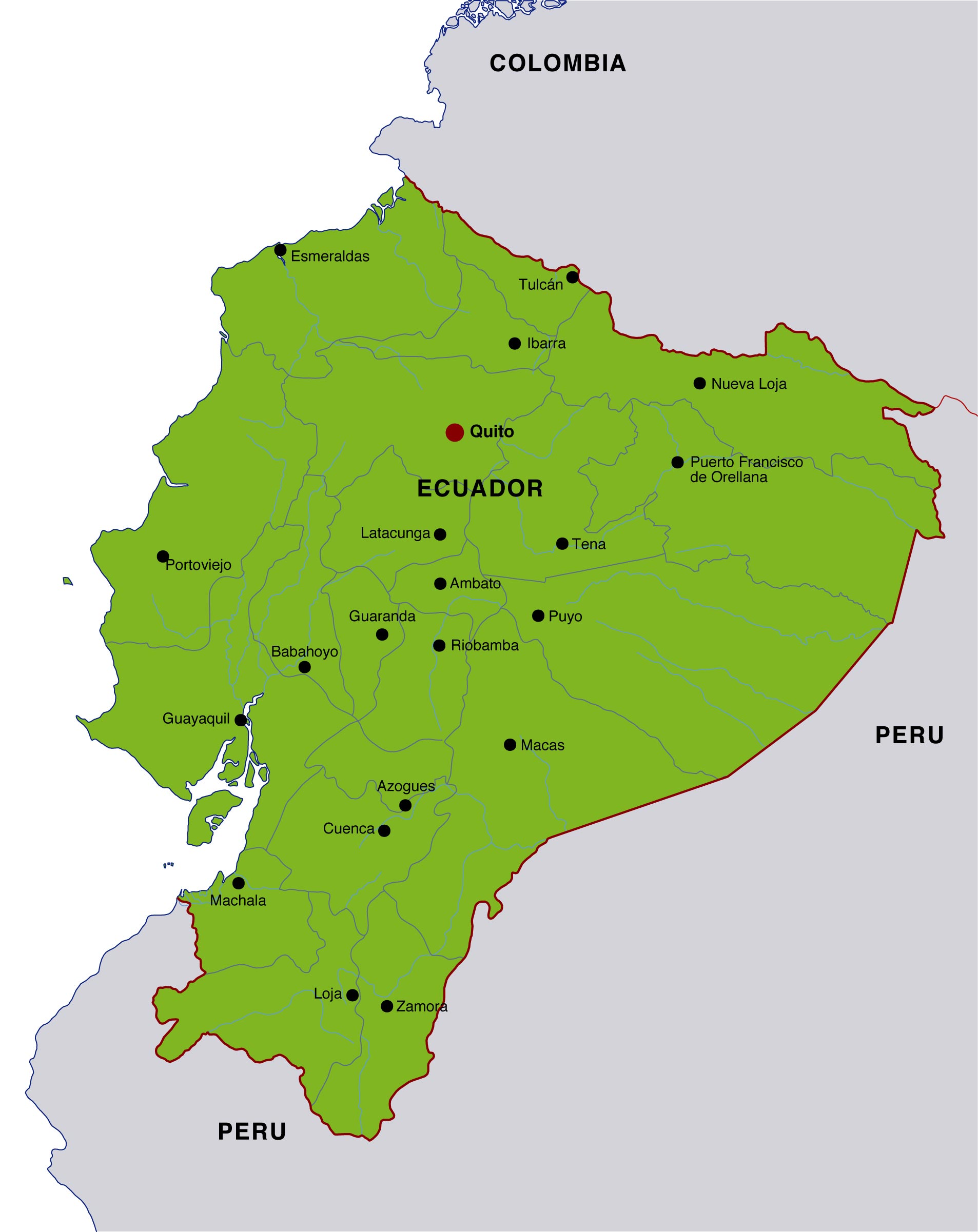
- 01. Overview of Ecuador's Climate Regions
- 02. Coastal Region (Costa)
- 03. Highland Region (Sierra)
- 04. Amazon Region (Oriente)
- 05. Galápagos Islands Climate
- 06. Climate Data Comparison
- 07. Key Climate Drivers
- 08. Seasonal Patterns Across Regions
- 09. Human and Environmental Impacts
- 10. Frequently Asked Questions
Ecuador has four primary climate regions-Coastal (Costa), Highland (Sierra), Amazon Basin (Oriente), and the Galápagos Islands-each shaped by elevation, ocean currents, and latitude, creating distinct weather patterns that range from humid tropical heat to cool alpine conditions within a relatively small geographic area. These climate regions explain why travelers can experience rainforest humidity, Andean frost, and ocean breezes in a single country.
Overview of Ecuador's Climate Regions
Ecuador's geography straddles the equator, yet its climate varies dramatically due to altitude and ocean influence, particularly the Humboldt and El Niño currents affecting the Pacific coastline. According to Ecuador's National Institute of Meteorology and Hydrology (INAMHI), average annual temperatures range from 26°C in lowland tropics to below 10°C in high-altitude Andean zones, reflecting steep vertical climate gradients.

- Coastal (Costa): Tropical and humid with seasonal rainfall.
- Highland (Sierra): Mild to cool temperatures influenced by elevation.
- Amazon (Oriente): Hot, wet, and densely forested year-round.
- Galápagos Islands: Subtropical with distinct wet and dry seasons.
Coastal Region (Costa)
The coastal region stretches along Ecuador's western edge and experiences a tropical climate with a pronounced wet season from December to May, driven by warm ocean currents along the equatorial Pacific. Average temperatures hover between 24°C and 31°C, with annual rainfall reaching up to 2,000 mm in northern areas like Esmeraldas.
This region supports agriculture such as bananas, cacao, and shrimp farming, which contribute significantly to Ecuador's exports, accounting for nearly 30% of non-oil revenue as reported in 2024 by the Ministry of Production. The coastal economy is highly sensitive to El Niño events, which can double rainfall totals and disrupt infrastructure.
Highland Region (Sierra)
The Andean highlands run through central Ecuador, where elevation ranges from 1,800 to over 6,000 meters, creating diverse microclimates within the Andean mountain range. Cities like Quito, at 2,850 meters, maintain average temperatures between 10°C and 20°C year-round, often described as "eternal spring."
Temperature drops sharply at higher altitudes, with glaciers and snow found on peaks such as Chimborazo, Ecuador's highest mountain at 6,263 meters. According to a 2023 climate study by Universidad San Francisco de Quito, glacier coverage has declined by approximately 30% since 1990 due to warming trends affecting the high-altitude ecosystems.
Amazon Region (Oriente)
The Amazon Basin covers nearly half of Ecuador's land area and features a hot, humid climate with consistent rainfall exceeding 3,000 mm annually, making it one of the wettest parts of the country and central to the Amazon rainforest system. Temperatures typically range from 23°C to 28°C with little seasonal variation.
This region is known for its biodiversity, hosting an estimated 10% of the world's known species, according to Ecuador's Ministry of Environment. Indigenous communities rely on forest ecosystems, while oil extraction remains a controversial economic driver in the eastern lowlands.
Galápagos Islands Climate
The Galápagos Islands, located about 1,000 km off Ecuador's coast, experience a subtropical climate shaped by ocean currents, especially the cool Humboldt Current and warm El Niño effects influencing the island ecosystem. Temperatures range from 22°C to 30°C depending on the season.
The islands have two main seasons: a warm, wet season (December-May) and a cooler, dry season (June-November), characterized by garúa, a misty drizzle. The Galápagos National Park reported in 2024 that climate variability directly impacts marine biodiversity, particularly during El Niño years affecting the marine food chain.
Climate Data Comparison
The following table summarizes key climate metrics across Ecuador's regions, illustrating how geography shapes the weather patterns across the country.
| Region | Avg Temperature (°C) | Annual Rainfall (mm) | Elevation Range (m) | Climate Type |
|---|---|---|---|---|
| Coastal (Costa) | 24-31 | 1,000-2,000 | 0-500 | Tropical Wet/Dry |
| Highland (Sierra) | 10-20 | 500-1,500 | 1,800-6,000+ | Temperate to Alpine |
| Amazon (Oriente) | 23-28 | 2,500-3,500+ | 200-800 | Tropical Rainforest |
| Galápagos Islands | 22-30 | 300-1,200 | Sea level-1,700 | Subtropical |
Key Climate Drivers
Several natural forces shape Ecuador's climate diversity, making it one of the most varied climates per square kilometer globally, according to a 2022 report by the World Meteorological Organization analyzing regional climate variability.
- Altitude: Temperature drops roughly 6.5°C per 1,000 meters of elevation.
- Ocean currents: The Humboldt Current cools coastal areas, while El Niño warms them.
- Latitude: Being on the equator results in minimal seasonal daylight variation.
- Topography: Mountains create rain shadows and microclimates.
Seasonal Patterns Across Regions
Unlike temperate countries, Ecuador's seasons are defined more by rainfall than temperature, especially in the equatorial climate system. The coastal and Galápagos regions have distinct wet and dry periods, while the Amazon remains wet year-round.
In the highlands, seasons are often described as "wet" (October-May) and "dry" (June-September), though temperature changes are minimal. This pattern allows for year-round agriculture but increases vulnerability to landslides during intense rains affecting the mountain communities.
Human and Environmental Impacts
Climate variability significantly affects Ecuador's economy, infrastructure, and biodiversity, particularly in agriculture and water resources linked to the national climate system. For example, El Niño events in 1997-1998 caused damages exceeding $2.8 billion, according to World Bank estimates.
Recent climate shifts have also influenced migration patterns within Ecuador, as rural populations adapt to changing rainfall and crop viability. Government adaptation plans introduced in 2023 aim to strengthen resilience in vulnerable regions, especially along the flood-prone coast.
Frequently Asked Questions
Helpful tips and tricks for Ecuador Climate Regions Break Every Travel Rule
What are the four climate regions of Ecuador?
Ecuador has four main climate regions: the Coastal (Costa), Highland (Sierra), Amazon (Oriente), and Galápagos Islands, each defined by elevation, rainfall, and proximity to ocean currents.
Why does Ecuador have so many climate types?
Ecuador's climate diversity comes from its location on the equator combined with dramatic elevation changes and the influence of ocean currents, creating varied weather conditions in a small area.
Which region of Ecuador is the hottest?
The Coastal and Amazon regions are typically the hottest, with average temperatures between 24°C and 31°C due to their low elevation and tropical climate.
Does Ecuador have seasons?
Ecuador does not have traditional four seasons; instead, it experiences wet and dry periods, with timing varying by region, particularly between the coast and highlands.
How does El Niño affect Ecuador's climate?
El Niño brings warmer ocean temperatures, leading to increased rainfall and flooding in coastal areas while disrupting marine ecosystems and fisheries.