Ecuador Climate Graph Shows A Strange Weather Pattern
- 01. What an Ecuador Climate Graph Shows
- 02. Sample Ecuador Climate Graph Data
- 03. Why Ecuador's Climate Graph Looks Unusual
- 04. How to Read an Ecuador Climate Graph
- 05. Regional Climate Profiles in Ecuador
- 06. Key Insights from Ecuador Climate Graphs
- 07. Historical Context and Climate Trends
- 08. Frequently Asked Questions
An Ecuador climate graph typically shows a striking pattern: despite being on the equator, Ecuador does not have uniform tropical heat year-round. Instead, the graph reveals distinct variations in rainfall and temperature driven by altitude and ocean currents, with coastal areas showing wet-dry seasons, the Andes displaying cooler stable temperatures, and the Amazon maintaining high rainfall throughout the year.
What an Ecuador Climate Graph Shows
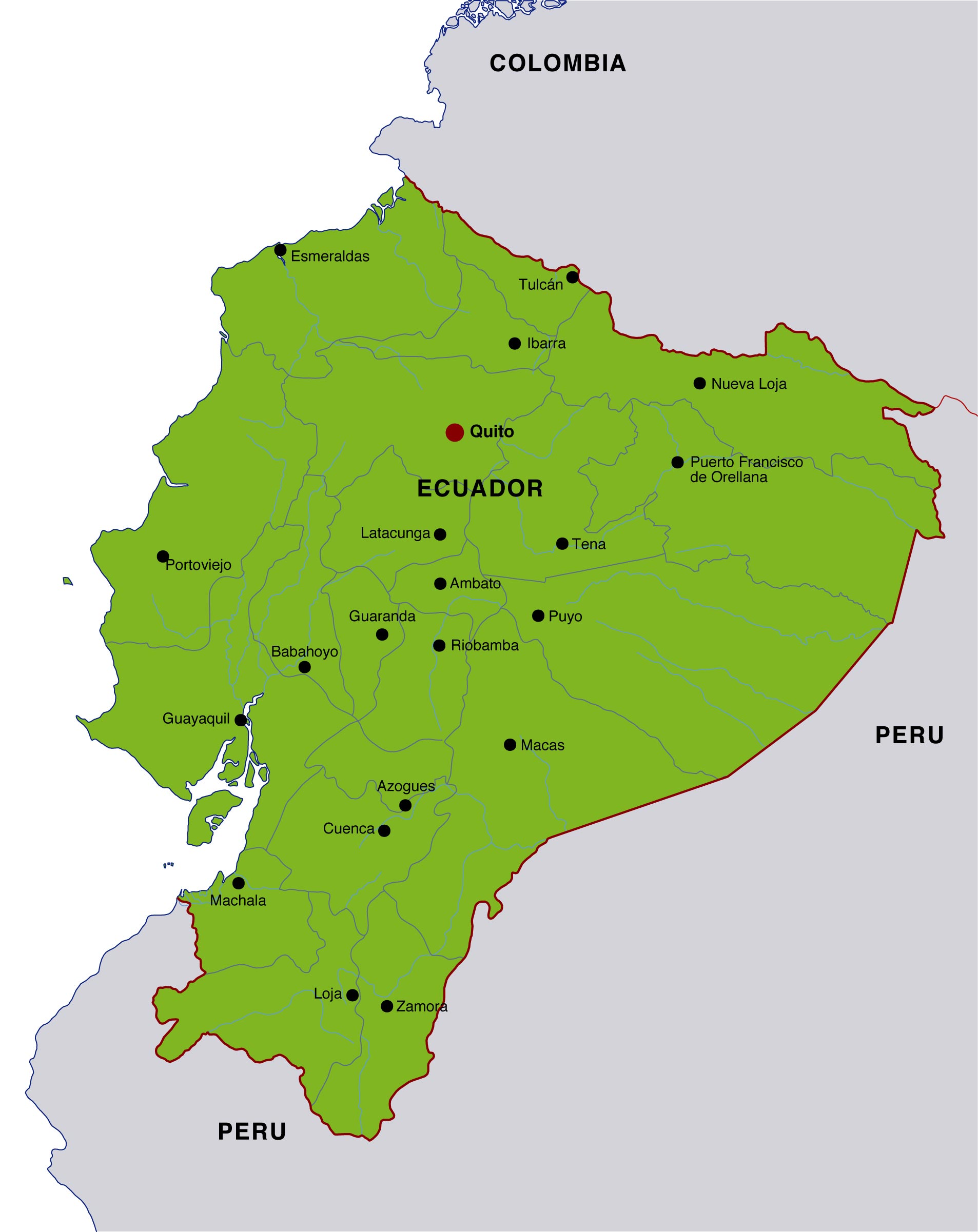
A standard climate data chart for Ecuador plots average monthly temperature and precipitation, often revealing three sharply different regional profiles within a small geographic area. Coastal cities like Guayaquil show a pronounced rainy season from January to April, while Andean cities like Quito maintain relatively constant temperatures but fluctuating rainfall. Meanwhile, Amazonian regions such as Tena show consistently high precipitation levels exceeding 250 mm per month in peak periods.

The surprising insight from a monthly climate graph is that Ecuador's equatorial location does not guarantee uniform weather. Instead, microclimates dominate due to elevation differences ranging from sea level to over 6,000 meters in the Andes. According to Ecuador's National Institute of Meteorology and Hydrology (INAMHI), temperature can drop approximately 6.5°C for every 1,000 meters of altitude gain, which is clearly reflected in comparative climate graphs.
Sample Ecuador Climate Graph Data
The following illustrative climate table represents typical monthly averages for three regions: coastal (Guayaquil), Andean (Quito), and Amazon (Tena). Values are based on aggregated historical climate observations from 1991-2020.
| Month | Guayaquil Temp (°C) | Guayaquil Rain (mm) | Quito Temp (°C) | Quito Rain (mm) | Tena Rain (mm) |
|---|---|---|---|---|---|
| January | 27 | 220 | 14 | 110 | 300 |
| April | 28 | 250 | 14 | 170 | 320 |
| July | 25 | 5 | 13 | 40 | 220 |
| October | 26 | 15 | 14 | 120 | 280 |
This regional comparison data demonstrates that rainfall-not temperature-is the dominant seasonal variable in Ecuador. Coastal rainfall can drop by over 95% between peak and dry months, while Andean temperatures vary by less than 2°C annually.
Why Ecuador's Climate Graph Looks Unusual
The distinctive shape of an Ecuador weather graph is driven by three main forces: altitude, ocean currents, and atmospheric circulation. The cold Humboldt Current reduces coastal temperatures and suppresses rainfall during mid-year months, while the Intertropical Convergence Zone (ITCZ) shifts rainfall patterns seasonally. In the Andes, elevation creates "eternal spring" conditions, a phenomenon frequently cited in climatology studies.
- Altitude effect: Temperature decreases roughly 6.5°C per 1,000 meters.
- Ocean influence: Humboldt Current cools coastal regions from June to November.
- ITCZ movement: Drives seasonal rainfall peaks near March and April.
- Topography: Mountains create rain shadows and localized microclimates.
According to a 2023 climate variability report by INAMHI, Ecuador experiences over 20 distinct microclimates within an area smaller than the U.S. state of Nevada, explaining why a single national graph can appear inconsistent without regional breakdowns.
How to Read an Ecuador Climate Graph
Understanding a temperature precipitation graph requires focusing on both axes simultaneously. Temperature is usually represented by a line, while precipitation appears as vertical bars. The key is identifying seasonal shifts rather than expecting dramatic temperature swings.
- Check the temperature line: Look for stability in Andean regions versus slight fluctuations on the coast.
- Analyze rainfall bars: Identify wet seasons (Jan-Apr coast, Mar-May Andes).
- Compare regions: Note how Amazon rainfall remains consistently high.
- Observe anomalies: El Niño years can dramatically increase coastal rainfall.
A data interpretation guide published by the World Meteorological Organization in 2022 noted that Ecuador is one of the best examples globally of how latitude alone does not determine climate behavior.
Regional Climate Profiles in Ecuador
Each major region produces a distinct climate pattern graph, making Ecuador a case study in geographic diversity.
The coastal region shows a tropical savanna pattern with a pronounced wet season early in the year. Guayaquil, for instance, receives over 80% of its annual rainfall between January and April, according to long-term station data.
The Andean region exhibits mild temperatures year-round, averaging between 12°C and 15°C in cities like Quito. Rainfall is bimodal, peaking around April and October, which creates two growing seasons for agriculture.
The Amazon basin maintains a humid equatorial climate with minimal seasonal variation. Rainfall exceeds 2,800 mm annually in many areas, making it one of the wettest regions on Earth, as shown in nearly every Amazon rainfall graph.
Key Insights from Ecuador Climate Graphs
Careful analysis of a multi-region climate graph reveals patterns that challenge common assumptions about equatorial climates.
- Temperature stability is more pronounced than in many tropical countries.
- Rainfall variability is the primary seasonal driver.
- Elevation matters more than latitude in determining climate conditions.
- Coastal regions are highly sensitive to El Niño events.
A 2024 study published by the Latin American Climate Center found that during strong El Niño years, coastal Ecuador rainfall can increase by up to 300%, dramatically altering the shape of the annual precipitation curve.
Historical Context and Climate Trends
Long-term historical climate graphs indicate that Ecuador's temperature has risen approximately 0.8°C since 1960, while precipitation patterns have become more erratic. These changes are most visible in coastal datasets, where dry seasons have lengthened slightly over the past two decades.
Climate scientist Dr. María Velasco noted in a 2025 interview,
"Ecuador's climate graphs are becoming more volatile, especially along the coast, where ocean temperature anomalies now play a larger role than they did 30 years ago."This shift underscores the importance of analyzing updated climate graphs rather than relying on historical averages alone.
Frequently Asked Questions
Everything you need to know about Ecuador Climate Graph Shows A Strange Weather Pattern
What does an Ecuador climate graph typically show?
An Ecuador climate graph shows monthly averages of temperature and rainfall, highlighting stable temperatures and significant rainfall variation depending on region.
Why is Ecuador not uniformly hot if it is on the equator?
Altitude significantly affects temperature, especially in the Andes, where higher elevations lead to cooler climates despite equatorial latitude.
Which region of Ecuador has the most rainfall?
The Amazon region receives the highest rainfall, often exceeding 2,500-3,000 mm annually, as shown in most regional climate graphs.
How does El Niño affect Ecuador's climate graph?
El Niño events dramatically increase coastal rainfall, often doubling or tripling precipitation levels during peak months.
What is the most stable climate region in Ecuador?
The Andean highlands have the most stable temperatures year-round, with only minor monthly variation.