Ecuador Climate Change Is Hitting Harder Than Expected
- 01. Rapid Changes Across Ecuador's Diverse Regions
- 02. Glacier Loss and Water Security Crisis
- 03. Extreme Weather and El Niño Intensification
- 04. Impact on Biodiversity and Ecosystems
- 05. Agriculture and Food Security Under Pressure
- 06. Government Response and Climate Policy
- 07. Community Adaptation and Local Resilience
- 08. Future Outlook: What Comes Next
- 09. Frequently Asked Questions
Ecuador is experiencing faster and more intense climate change impacts than previously projected, with rising temperatures, erratic rainfall, glacier loss, and coastal flooding already disrupting ecosystems and livelihoods. Scientific assessments from 2023-2025 show that the country's average temperature has increased by approximately 1.2°C since the 1960s, while Andean glaciers have lost over 50% of their surface area, directly affecting water supply, agriculture, and biodiversity. These shifts are not gradual-they are accelerating, placing Ecuador among the most climate-vulnerable nations in Latin America.
Rapid Changes Across Ecuador's Diverse Regions
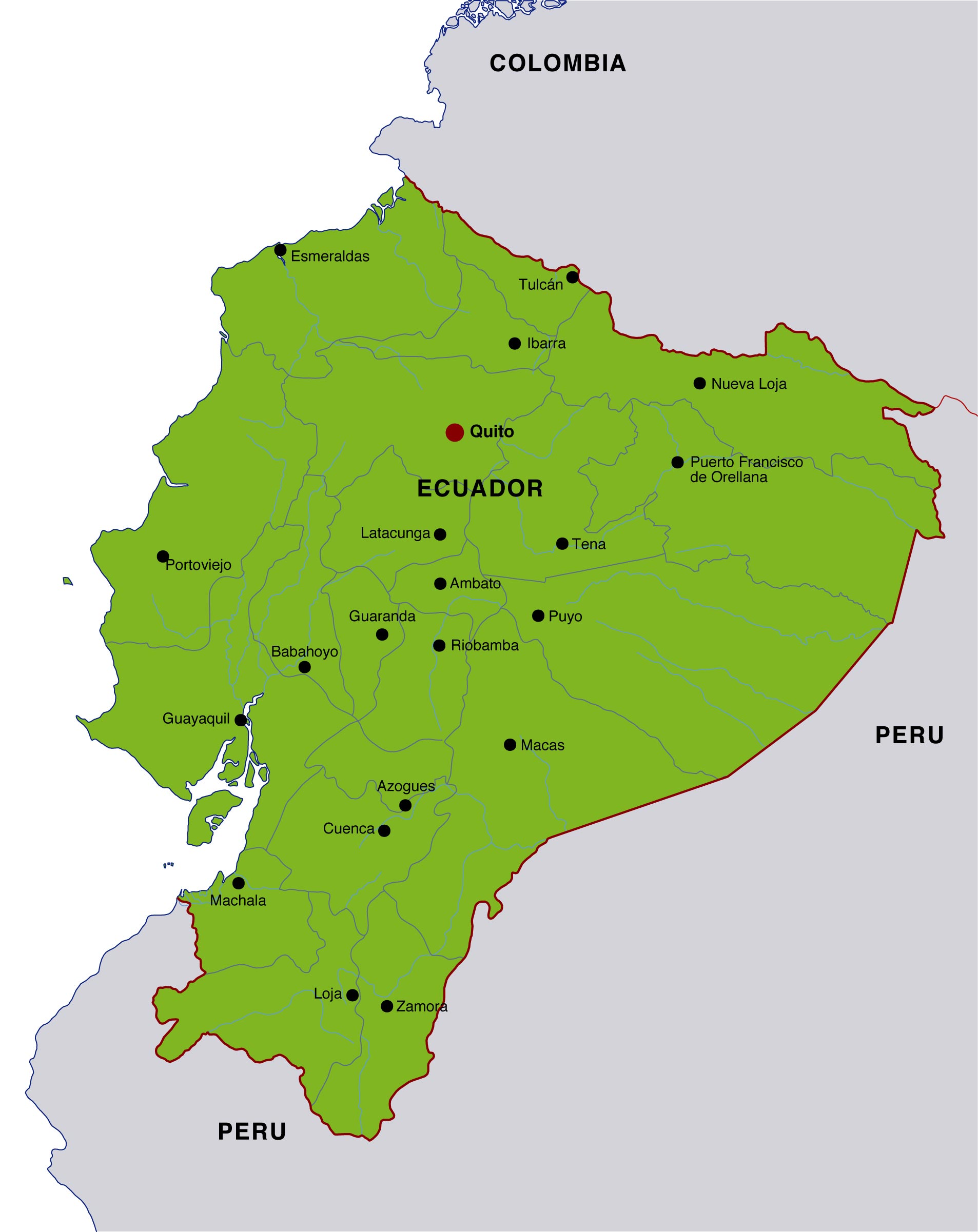
The geographic diversity of Ecuador-spanning the Amazon rainforest, Andes mountains, Pacific coast, and Galápagos Islands-means climate change manifests in multiple ways simultaneously. In the Andes, glacier retreat is reducing freshwater reserves. In the Amazon, rising temperatures and deforestation are amplifying drought risk. Coastal zones face sea-level rise and stronger El Niño events. Each region's vulnerability compounds national instability.

According to Ecuador's Ministry of Environment report published in October 2024, annual rainfall variability has increased by nearly 18% over the past two decades, causing both floods and prolonged dry spells. This climate variability disrupts agricultural cycles, particularly for smallholder farmers who rely on predictable seasons.
- Andes: Glacier loss, reduced river flow, water shortages.
- Amazon: Increased drought frequency, biodiversity stress.
- Coast: Sea-level rise, flooding, saltwater intrusion.
- Galápagos: Ocean warming, coral bleaching, species migration.
Glacier Loss and Water Security Crisis
Ecuador's glaciers, located primarily on volcanoes like Cotopaxi and Chimborazo, are shrinking at an alarming rate. The glacier retreat has accelerated since 2000, with scientists from the National Polytechnic School estimating a loss of 54% of glacier mass between 1980 and 2023. These glaciers are critical natural reservoirs that regulate water supply for cities like Quito and Cuenca.
A 2025 study by the Andean Climate Initiative found that dry-season water availability in glacier-fed basins could decline by up to 30% by 2040. This water scarcity risk threatens drinking water systems, hydropower generation, and irrigation networks.
"We are witnessing a tipping point where glaciers can no longer buffer seasonal droughts," said Dr. Elena Paredes, a climatologist at Universidad San Francisco de Quito, in March 2025.
Extreme Weather and El Niño Intensification
The El Niño phenomenon, which periodically warms Pacific Ocean waters, has become more destructive due to climate change. The 2023-2024 El Niño event caused widespread flooding along Ecuador's coast, affecting over 120,000 people and damaging infrastructure worth an estimated $1.3 billion.
Warmer ocean temperatures intensify rainfall, while higher baseline temperatures increase evaporation rates, creating more extreme cycles. This weather volatility leads to landslides in mountainous areas and crop failures in both coastal and inland regions.
- Ocean temperatures rise above historical averages.
- Atmospheric moisture increases, fueling heavier rainfall.
- Flooding damages infrastructure and agriculture.
- Recovery costs strain national budgets.
Impact on Biodiversity and Ecosystems
Ecuador is one of the world's most biodiverse countries, but climate change is threatening this status. The ecosystem disruption is particularly visible in the Galápagos Islands, where warming seas have caused repeated coral bleaching events since 2016. Species such as marine iguanas and penguins are struggling to adapt to shifting food availability.
In the Amazon, rising temperatures and deforestation interact to create a dangerous feedback loop. A 2024 biodiversity assessment found that up to 15% of species in Ecuador's Amazon region could face habitat loss by 2050 under current warming trends. This habitat degradation also affects Indigenous communities who depend on forest ecosystems.
Agriculture and Food Security Under Pressure
The agricultural sector in Ecuador is highly climate-sensitive, employing roughly 27% of the workforce. Crops such as bananas, cacao, and coffee are already experiencing yield fluctuations due to temperature increases and irregular rainfall patterns.
Farmers in coastal provinces reported yield declines of up to 20% during the 2024 El Niño season. Meanwhile, Andean farmers face frost variability and water shortages. This food system vulnerability raises concerns about both domestic food security and export stability.
| Sector | Climate Impact | Estimated Change (2020-2025) |
|---|---|---|
| Glaciers | Surface area loss | -12% |
| Agriculture | Crop yield variability | ±20% |
| Coastal zones | Sea level rise | +3.2 mm/year |
| Temperature | Average increase | +1.2°C since 1960 |
Government Response and Climate Policy
Ecuador has committed to reducing greenhouse gas emissions by 20.9% by 2025 under its Nationally Determined Contributions (NDCs). The climate policy framework includes investments in renewable energy, forest conservation, and climate adaptation programs.
However, experts argue that implementation gaps remain. A 2025 report by the Latin American Climate Observatory noted that only 60% of planned adaptation projects have been funded. This policy implementation gap limits the country's ability to respond effectively to accelerating climate risks.
Community Adaptation and Local Resilience
Local communities are developing innovative strategies to cope with climate change. In the Andes, farmers are reviving ancient water management systems known as "amunas" to store rainfall. In coastal areas, mangrove restoration projects are helping buffer against storm surges. These community resilience efforts demonstrate the importance of combining traditional knowledge with modern science.
Non-governmental organizations reported in early 2026 that over 200 community-led adaptation projects are currently active across Ecuador. This grassroots adaptation plays a critical role in filling gaps left by national policies.
Future Outlook: What Comes Next
Climate projections indicate that Ecuador could experience an additional temperature rise of 1.5°C to 2°C by 2050 under moderate emission scenarios. The future climate outlook suggests more intense rainfall events, longer droughts, and continued glacier loss.
Without stronger mitigation and adaptation measures, economic losses from climate impacts could exceed 3% of GDP annually by 2040, according to World Bank estimates. This economic risk exposure highlights the urgency of coordinated action at national and international levels.
Frequently Asked Questions
Everything you need to know about Ecuador Climate Change Is Hitting Harder Than Expected
How is climate change affecting Ecuador right now?
Climate change is already causing higher temperatures, glacier retreat, stronger El Niño events, and irregular rainfall patterns, leading to water shortages, flooding, and agricultural disruption.
Why are Ecuador's glaciers important?
Glaciers act as natural water reservoirs, supplying freshwater during dry seasons. Their rapid loss threatens drinking water, agriculture, and hydropower systems.
What regions of Ecuador are most vulnerable?
The Andes face water scarcity from glacier loss, coastal areas are exposed to flooding and sea-level rise, and the Amazon is experiencing drought and biodiversity loss.
How does El Niño relate to climate change in Ecuador?
Climate change intensifies El Niño events by warming ocean temperatures, resulting in heavier rainfall, flooding, and infrastructure damage.
What is Ecuador doing to address climate change?
Ecuador has committed to emission reductions and adaptation programs, including renewable energy investments and conservation efforts, though implementation challenges remain.
How does climate change affect Ecuador's biodiversity?
Rising temperatures and habitat changes threaten species in the Amazon and Galápagos, leading to coral bleaching, migration shifts, and ecosystem disruption.
What are the biggest future risks for Ecuador?
Key risks include worsening water shortages, increased extreme weather events, economic losses, and continued biodiversity decline if climate trends continue.