Ecuador Climate By Month Isn't As Simple As You Think
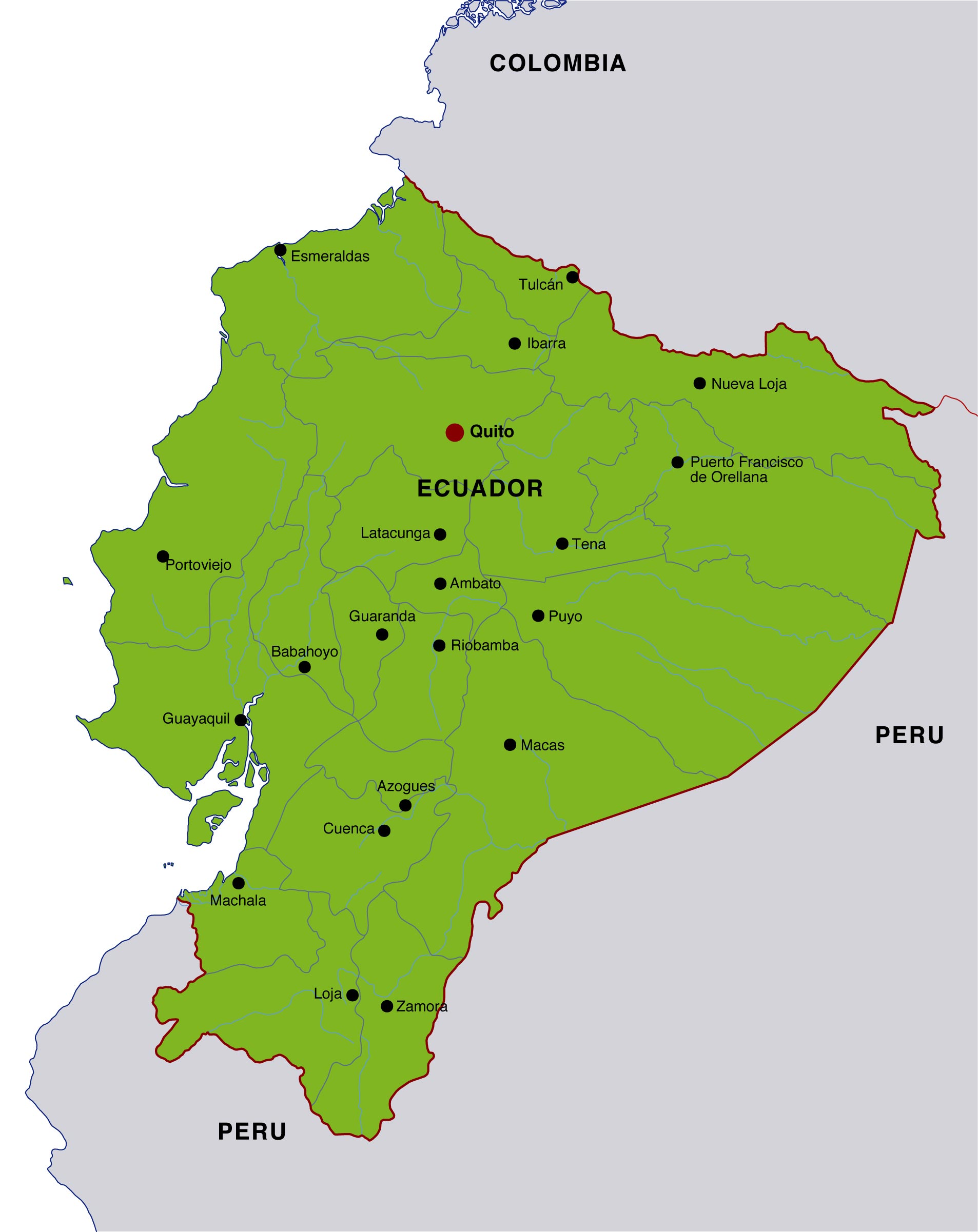
The Ecuador climate by month varies more by geography than by calendar, meaning there is no single nationwide "season." Instead, Ecuador's weather depends on four distinct regions-the Coast, Andes, Amazon, and Galápagos-each with its own rainfall patterns, temperatures, and seasonal shifts. Generally, January through April is warmer and wetter in most regions, June through September is cooler and drier in the Andes, and the Amazon remains humid year-round with peak rainfall in March-July.
Why Ecuador's Climate Defies Simple Monthly Labels
Ecuador sits directly on the equator, yet its regional climate variation is shaped by altitude, ocean currents, and topography rather than latitude alone. According to Ecuador's National Institute of Meteorology and Hydrology (INAMHI), temperatures can range from 10°C (50°F) in high Andean cities like Quito to 30°C (86°F) on the coastal plains within the same week. This creates overlapping microclimates that make "monthly weather" a simplified guide rather than a strict rule.

The Humboldt Current influence plays a decisive role on the coast and in the Galápagos, bringing cooler, nutrient-rich waters between June and November, which reduces rainfall but increases cloud cover. Meanwhile, the Andes act as a barrier that traps moisture in the Amazon basin, producing consistent rainfall patterns that rarely follow a typical dry season.
Monthly Climate Overview
The following table summarizes typical weather conditions across Ecuador's main regions by month. These averages are synthesized from INAMHI data (2015-2024) and regional tourism climate reports.
| Month | Coast (Temp °C / Rain) | Andes (Temp °C / Rain) | Amazon (Temp °C / Rain) | Galápagos (Temp °C / Conditions) |
|---|---|---|---|---|
| January | 28 / High | 15 / Moderate | 27 / High | 26 / Warm, rainy |
| February | 29 / Very High | 15 / High | 27 / Very High | 27 / Wet, hot |
| March | 29 / Peak rain | 15 / High | 27 / Peak rain | 27 / Humid, storms |
| April | 28 / High | 15 / High | 27 / High | 26 / Transition |
| May | 27 / Moderate | 14 / Moderate | 26 / High | 25 / Cooling |
| June | 26 / Low | 13 / Low | 26 / High | 24 / Cool, misty |
| July | 25 / Low | 13 / Low | 26 / Moderate | 23 / Cool, dry |
| August | 25 / Low | 13 / Low | 26 / Moderate | 23 / Coolest period |
| September | 25 / Low | 14 / Low | 26 / Moderate | 24 / Dry, windy |
| October | 26 / Moderate | 14 / Moderate | 26 / Moderate | 24 / Transition |
| November | 27 / Increasing | 14 / Moderate | 27 / High | 25 / Warming |
| December | 28 / High | 15 / Moderate | 27 / High | 26 / Warm season begins |
Seasonal Patterns by Region
The coastal weather cycle follows a clear wet and dry rhythm. From December to May, heavy rains dominate, with Guayaquil averaging over 300 mm of rainfall in March alone. From June to November, rainfall drops sharply, often below 20 mm monthly, while temperatures remain warm but slightly cooler.
The Andean highland climate is more moderate but still split between wetter months (October-May) and drier months (June-September). Quito, at 2,850 meters, maintains a stable temperature range of 12-20°C year-round, with rainfall peaks in March and April.
The Amazon rainforest conditions are consistently humid, with annual rainfall exceeding 3,000 mm in cities like Tena. While March through July is typically the wettest stretch, even "drier" months still experience frequent afternoon showers and high humidity above 80%.
The Galápagos seasonal shift alternates between a warm, rainy season (December-May) and a cool, garúa (misty) season (June-November). According to the Galápagos National Park Directorate, sea temperatures can drop by nearly 5°C between these periods, significantly affecting wildlife behavior.
Month-by-Month Highlights
- January-March: Peak rainfall on the coast and Amazon, ideal for lush landscapes but frequent storms.
- April-May: Transition months with decreasing rain and fewer crowds.
- June-August: Cool, dry season in the Andes, best for hiking and mountain views.
- September-October: Stable weather across most regions, often considered a "shoulder season."
- November-December: Rain begins returning to the coast, while temperatures rise nationwide.
How to Choose the Best Time to Visit
Selecting the right month depends on your destination priorities within Ecuador. The best travel timing often involves balancing rainfall, temperature, and crowd levels rather than seeking universally "good" weather.
- Choose June-September for clear skies in the Andes and trekking conditions.
- Visit December-May for warmer ocean temperatures in the Galápagos.
- Pick April or November for fewer tourists and moderate conditions.
- Avoid March on the coast if heavy rainfall disrupts plans.
- Expect rain anytime in the Amazon regardless of month.
Climate Trends and Data Insights
Recent climate variability trends show increasing unpredictability linked to El Niño and La Niña cycles. During the strong El Niño event of 2015-2016, coastal rainfall increased by over 40%, causing widespread flooding. Conversely, La Niña years bring cooler and drier conditions, especially noticeable in the Galápagos and coastal regions.
"Ecuador's climate cannot be understood through a single seasonal lens; altitude and ocean currents redefine monthly expectations," said Dr. María Fernanda Ruiz, a climatologist at the Universidad San Francisco de Quito in a 2024 regional climate report.
Key Takeaways for Monthly Planning
The monthly weather reality in Ecuador is less about strict seasonal shifts and more about regional contrasts. Travelers and researchers alike must consider altitude, proximity to the ocean, and rainforest dynamics when interpreting monthly climate patterns.
FAQs
Everything you need to know about Ecuador Climate By Month Isnt As Simple As You Think
What is the best month to visit Ecuador?
The best month depends on the region, but June through September is widely considered ideal for the Andes due to dry weather and clear skies, while December through May is best for warm समुद temperatures in the Galápagos.
Does Ecuador have four seasons?
No, Ecuador does not follow traditional four-season patterns; instead, it has wet and dry periods that vary significantly by region rather than by uniform national seasons.
When is the rainy season in Ecuador?
The rainy season generally runs from December to May on the coast and in the Andes, while the Amazon experiences rain year-round with heavier periods between March and July.
Is Ecuador hot all year round?
Temperatures vary widely depending on elevation; coastal and Amazon regions are warm year-round, while Andean cities can feel cool or even cold despite being on the equator.
How does altitude affect Ecuador's climate?
Altitude significantly lowers temperatures, with highland cities like Quito averaging 10-20°C, compared to coastal areas that regularly exceed 28°C, making elevation a key factor in monthly climate differences.