Ecuador Climate And Weather Isn't What You Think
- 01. Why Ecuador's Climate Feels So Different
- 02. The Four Main Climate Regions
- 03. Monthly Climate Overview
- 04. Seasonality Explained
- 05. Regional Deep Dive
- 06. Coastal Climate
- 07. Andean Highlands
- 08. Amazon Rainforest
- 09. Galápagos Islands
- 10. Extreme Weather and Climate Events
- 11. Best Time to Visit Ecuador
- 12. FAQ: Ecuador Climate and Weather
Ecuador's climate and weather are defined by extreme geographic diversity rather than a single pattern: in one day, you can experience tropical heat on the coast, spring-like temperatures in the Andes, humid rainforest conditions in the Amazon, and cool breezes in the Galápagos. This "four worlds" phenomenon-driven by elevation, ocean currents, and equatorial positioning-means Ecuador has no traditional four seasons, but instead distinct regional climates with wet and dry cycles that vary by location.
Why Ecuador's Climate Feels So Different
The country sits directly on the equator, yet its climate variability is shaped more by altitude and ocean currents than latitude. According to Ecuador's National Institute of Meteorology and Hydrology (INAMHI), temperatures can drop roughly 5-6°C for every 1,000 meters of elevation gain, creating dramatic contrasts across short distances. The Andes mountain range splits the country into climatic zones, while the Humboldt and El Niño currents strongly influence coastal weather patterns.
Because of this geography, Ecuador is often described as having "microclimates." A traveler can leave a humid coastal city at 30°C and reach a highland capital at 15°C within a few hours. This microclimate system is why Ecuador is considered one of the most biodiverse countries in the world, hosting an estimated 10% of all known plant species despite covering less than 0.2% of Earth's land area.
The Four Main Climate Regions
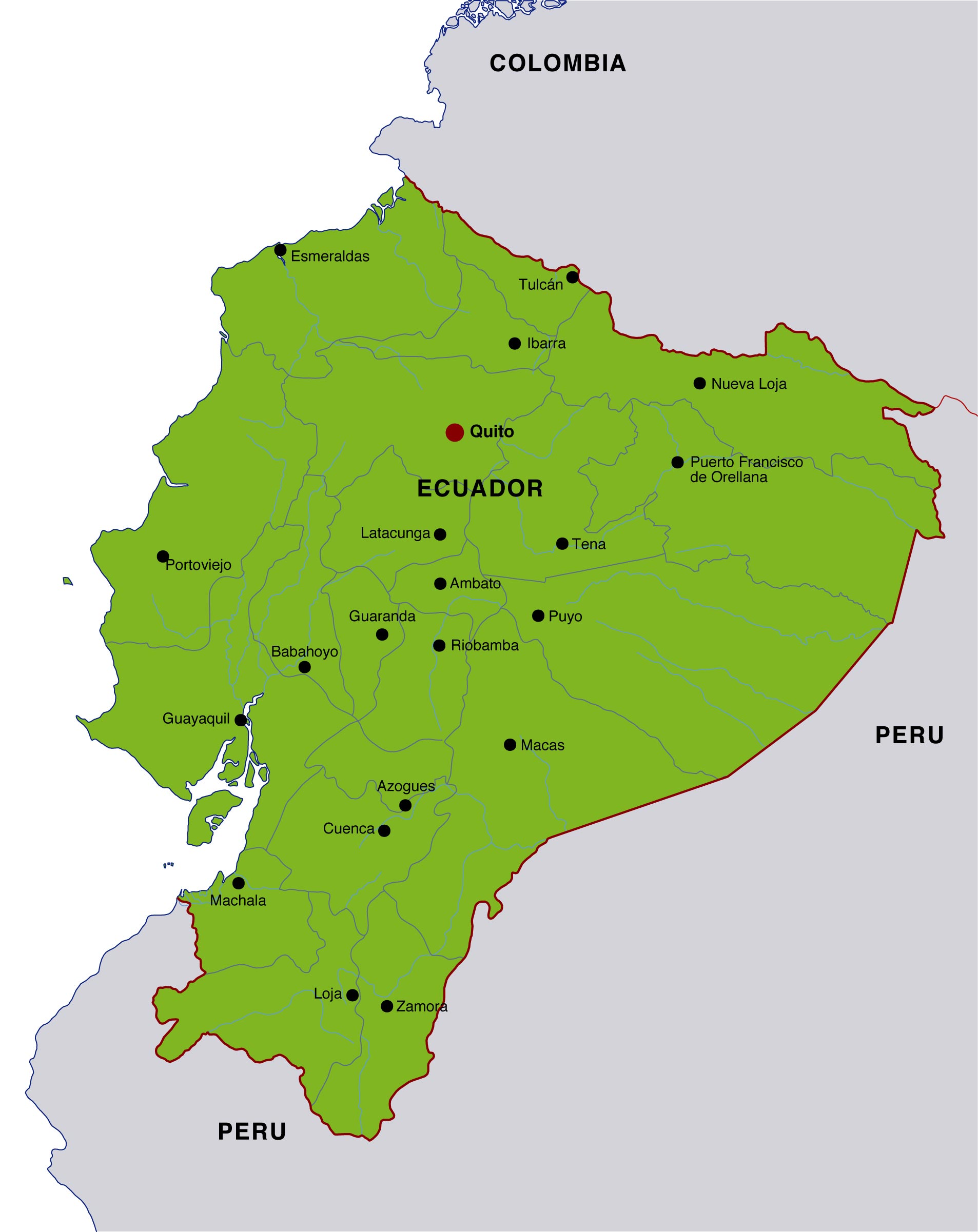
Ecuador is divided into four major regions, each with its own distinct weather pattern and seasonal rhythm.
- Coastal Region (Costa): Tropical climate with a wet season (December-May) and dry season (June-November); temperatures average 25-31°C.
- Andean Highlands (Sierra): Mild, spring-like weather year-round; daytime temperatures average 12-22°C depending on elevation.
- Amazon Basin (Oriente): Hot, humid rainforest climate with frequent rainfall; temperatures typically range from 23-30°C.
- Galápagos Islands: Subtropical climate influenced by ocean currents; cooler dry season (June-November) and warmer wet season (December-May).
Monthly Climate Overview
The following table provides a simplified snapshot of average weather conditions across Ecuador's regions. These figures are illustrative but reflect widely reported climatological trends.
| Region | Avg Temp (°C) | Rainy Season | Dry Season | Humidity |
|---|---|---|---|---|
| Coast | 25-31 | Dec-May | Jun-Nov | High (70-85%) |
| Highlands | 12-22 | Oct-May | Jun-Sep | Moderate (50-70%) |
| Amazon | 23-30 | Year-round (peak Mar-Jul) | Short dry spells | Very high (80-95%) |
| Galápagos | 22-28 | Dec-May | Jun-Nov | Moderate (60-75%) |
Seasonality Explained
Unlike temperate countries, Ecuador does not experience four seasons. Instead, it cycles between wet and dry periods influenced by seasonal rainfall patterns. Coastal flooding events, for example, are often tied to El Niño years, such as the strong 1997-1998 event that caused an estimated $2.8 billion in damages nationwide, according to World Bank assessments.
- Wet season: Characterized by heavy rainfall, higher humidity, and warmer temperatures, especially on the coast.
- Dry season: Marked by cooler temperatures, less rainfall, and overcast skies in some regions like the Galápagos.
- Transitional months: Brief periods where rainfall patterns shift, often unpredictably.
Regional Deep Dive
Coastal Climate
The Ecuadorian coast experiences a tropical climate shaped by Pacific Ocean currents. During the wet season, cities like Guayaquil can receive over 300 mm of rainfall per month, while temperatures remain consistently above 28°C. In contrast, the dry season brings cooler breezes and reduced rainfall, making it a popular travel period.
Andean Highlands
The highlands, including Quito at 2,850 meters, maintain a mild climate often described as "eternal spring." This high-altitude climate results in cooler nights (sometimes below 10°C) and strong UV radiation during the day. According to NASA atmospheric data, UV levels near the equator at high altitude can exceed index 11, considered extreme.

Amazon Rainforest
Ecuador's Amazon region is one of the wettest places on Earth, with annual rainfall exceeding 3,000 mm in some areas. This rainforest ecosystem supports unparalleled biodiversity but also means frequent afternoon storms and consistently high humidity levels above 85%.
Galápagos Islands
The Galápagos experience a unique climate influenced by the Humboldt Current. The cooler dry season produces misty conditions known locally as "garúa," while the warmer months bring clearer skies. This island climate system directly impacts wildlife behavior, including breeding cycles of marine iguanas and sea lions.
Extreme Weather and Climate Events
Ecuador is periodically affected by El Niño and La Niña events, which can dramatically alter weather extremes. El Niño typically brings heavy rains and flooding to the coast, while La Niña can result in cooler and drier conditions. The 2016 earthquake (magnitude 7.8) also highlighted how natural disasters can intersect with weather vulnerabilities, particularly in coastal regions.
"Ecuador's climate is less about seasons and more about altitude and ocean influence," said Dr. María Delgado, a climatologist at the University of Quito in a 2024 interview. "Understanding this helps explain why biodiversity thrives here."
Best Time to Visit Ecuador
The best time depends on which region you plan to explore, as there is no single ideal season for the entire country due to its regional climate diversity.
- Coast: June to November for cooler, drier weather.
- Highlands: June to September for clearer skies and less rain.
- Amazon: August to November for slightly lower rainfall.
- Galápagos: December to May for warmer water and better snorkeling.
FAQ: Ecuador Climate and Weather
Helpful tips and tricks for Ecuador Climate And Weather Isnt What You Think
Does Ecuador have four seasons?
No, Ecuador does not have four traditional seasons. Instead, it experiences wet and dry periods that vary by region, largely influenced by altitude and ocean currents.
Is Ecuador hot all year round?
Not everywhere. Coastal and Amazon regions are warm year-round, but highland areas like Quito have cooler, spring-like temperatures due to elevation.
What is the coldest place in Ecuador?
The coldest areas are in the Andes mountains, especially at high elevations above 4,000 meters, where temperatures can drop below freezing at night.
When is the rainy season in Ecuador?
The rainy season varies by region but generally occurs from October to May in the highlands and December to May on the coast.
How does El Niño affect Ecuador?
El Niño brings warmer ocean temperatures that lead to heavy rainfall, flooding, and infrastructure damage, particularly along the coast.
Is Ecuador humid?
Yes, especially in the Amazon and coastal regions where humidity levels often exceed 80%, while the highlands are more moderate.
What should I pack for Ecuador's climate?
Pack layers. Lightweight clothing works for warm regions, but you'll need warmer layers and rain protection for the highlands and variable weather conditions.