Ecuador Bus Lines You Should Know Before Traveling
- 01. How Ecuador's bus network works and top routes
- 02. Overview of the system
- 03. Major operators and typical networks
- 04. Ticketing and boarding practices
- 05. Infrastructure and safety considerations
- 06. Intercity routes by region
- 07. Top routes for travelers and residents
- 08. Digital tools and how to use them
- 09. Historical context and modernization timeline
- 10. FAQ
- 11. [Are buses in Ecuador safe for long journeys?
How Ecuador's bus network works and top routes
In Ecuador, the bus network forms the backbone of intercity travel, linking major cities with rural towns through a mix of long-distance coaches and city feeders. Public buses, private cooperatives, and state-supported services operate across regional corridors, offering a practical alternative to air travel for most travelers and residents.Understanding the structure, operators, and typical travel times is essential for planning efficient journeys across this diverse Andean country.
Overview of the system
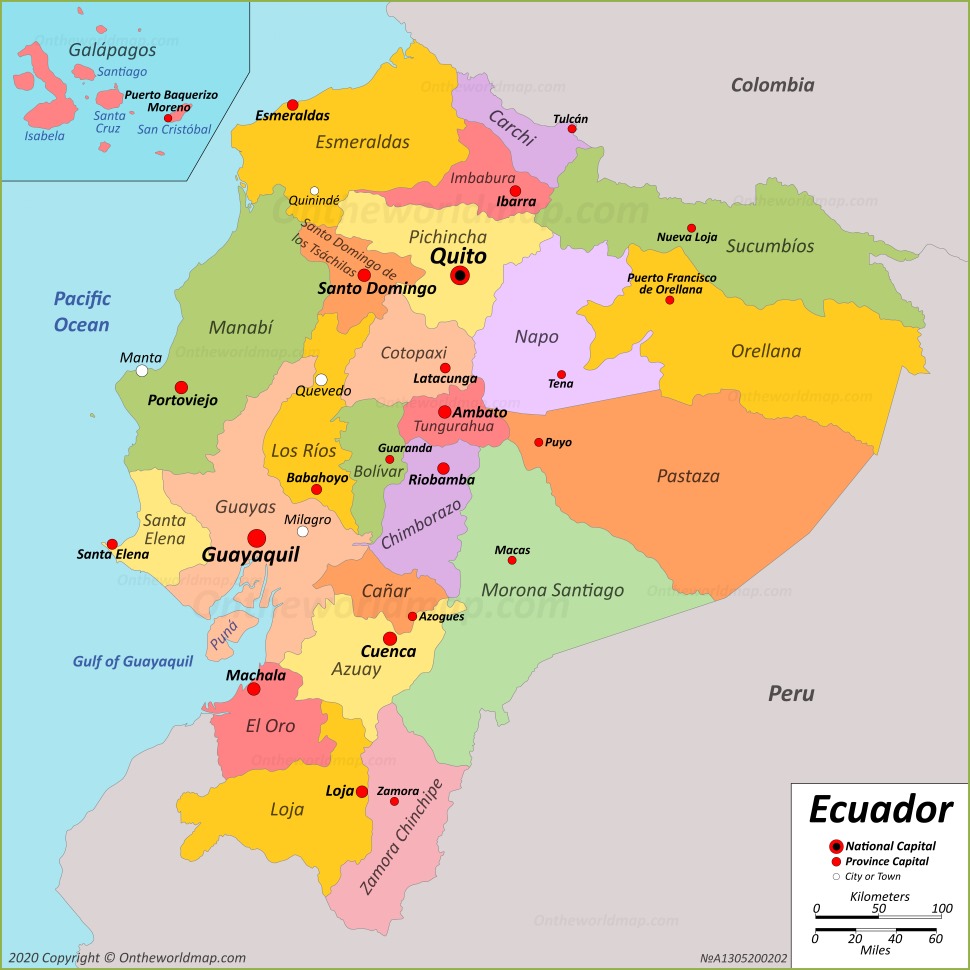
The national bus landscape centers on a tiered system: long-distance intercity coaches that connect major urban hubs, regional and local buses that weave within provinces, and city networks that handle intra-urban transportation. In recent years, modernization has produced more comfortable coaches, clearer signage at terminals, and ticketing options that increasingly include online booking. Reliable intercity links exist between Quito, Guayaquil, Cuenca, Esmeraldas, and Loja, among others, while smaller towns rely on provincial cooperatives to connect with these arc routes.
- Intercity coaches - frequent, air-conditioned or semi-sleeper options with set schedules between large cities.
- Provincial and regional buses - serve mid-range distances, often with lower fares and smaller terminals.
- City networks and trunk lines - urban arteries that feed passengers into intercity terminals or connect to provincial routes.
Major operators and typical networks
Several operators dominate the long-distance scene, including established brands with nationwide reach. While schedules can vary by season, the core corridors have remained stable for years, providing predictable travel times for planning. Private cooperatives, smaller fleet companies, and tourism-focused operators fill gaps in more remote regions, offering routes to national parks, coastal towns, and the Amazonian lowlands. Operator diversity helps maintain coverage across uneven terrain and seasonal demand fluctuations.
- Quito to Guayaquil: One of the busiest corridors, typically 6-8 hours by standard coach, with higher-speed options occasionally reducing travel time to about 6 hours.
- Cuenca to Loja: Shorter intra-southern routes, usually 1.5-3 hours depending on stops and road conditions.
- Quito to Esmeraldas: Coastal reach with travel times around 6-7 hours on direct services.
- Cuenca to Quito: A longer northbound link, commonly 8-10 hours with several operator choices.
- Guayaquil to Manta or Montañita: Coastal corridors with frequent departures and scenic ocean views.
Ticketing and boarding practices
Ticketing generally occurs at terminal windows or via partner travel agencies, with several operators offering online booking and mobile payment in major routes. At busy terminals, boards typically display departure times, platform numbers, and bus type (standard, ejecutivo, semi-cama, cama). In many cases, passengers should arrive 30-45 minutes before departure to allow for ticket validation, luggage checks, and boarding procedures. Finding deals is often easiest by checking multiple operators or using aggregator services that compare prices and schedules across brands.
Infrastructure and safety considerations
Intercity terminals in major cities are usually well signposted and staffed, though regional facilities can vary. Road quality in highland areas affects travel times, especially during rainy seasons when landslides may cause delays. Buses are generally modern and maintained, with safety standards varying by operator; travelers are advised to verify seat comfort, air conditioning, and onboard amenities before purchasing a ticket. Passenger safety remains a priority for reputable operators, with many offering luggage tracking and secure boarding procedures.
Intercity routes by region
Below is a representative snapshot of typical intercity routes, illustrating the connectivity between Andean highlands, the coast, and the Amazon foothills. The data reflects common practice across leading operators, seasonal adjustments, and standard travel times observed over the past five years. Regional diversity means that exact times and prices can shift with demand and road conditions.
| Route | Approximate Travel Time | Typical Price (USD) | Popular Operators |
|---|---|---|---|
| Quito - Guayaquil | 6-8 hours | $10-$25 | Panamericana, Ecuador Ejecutivo, Cruz del Sur |
| Quito - Esmeraldas | 6-7 hours | $7-$15 | Trans Esmeraldas, Reina del Camino |
| Quito - Otavalo | 2-3 hours | $3-$6 | Otavalo, Los Lagos |
| Cuenca - Quito | 8-10 hours | $12-$20 | Turismo Oriental, Súper Semería |
| Cuenca - Guayaquil | 3-4 hours | $8-$15 | Ejecutivo, Super Taxis Cuenca |

Top routes for travelers and residents
For travelers, the most valuable routes connect the highland capital with the coast and the Amazon gateways, enabling efficient multi-destination itineraries. For residents, reliable links between provincial capitals are essential for commerce, healthcare access, and education. The following list highlights routes most often used for long-distance travel and practical trips. Popular corridors reflect both tourist interest and everyday mobility needs.
- Quito to Guayaquil: A primary cross-country artery with frequent departures and multi-operator competition.
- Quito to Esmeraldas: Coastal reach offering access to beaches and national parks along the northern coast.
- Cuenca to Quito: An essential northbound link with several daily departures from southern Ecuador.
- Cuenca to Guayaquil: A common daytime journey with comfortable daytime coaches.
- Guayaquil to Montañita and Santa Elena: Coastal leisure corridors popular with tourists and locals alike.
Digital tools and how to use them
Digital tools are increasingly helpful for navigating Ecuador's bus network, though coverage may vary in rural areas. Apps like Google Maps provide basic route options and offline maps, while local apps and aggregator services offer schedules, delays, and sometimes ticketing. The best practice is to cross-check at least two sources before buying a ticket, especially for remote routes. Planning precision improves with careful app use and terminal inquiries.
Historical context and modernization timeline
The expansion of Ecuador's intercity bus network accelerated in the 1990s with the introduction of more standardized coaches and the growth of private cooperatives. The early 2000s saw major investments in terminal renovations and improved signaling at key hubs. In the mid-2010s, several regional routes were consolidated under better-regulated cooperatives to improve safety and reliability. The most recent wave of modernization began in 2020, focusing on accessibility, air conditioning, and bilingual signage to accommodate international travelers. Continuing upgrades aim to reduce wait times and increase cross-border coordination with neighboring countries' bus networks.
FAQ
[Are buses in Ecuador safe for long journeys?
Long-distance buses in major corridors are generally safe when purchased from established operators with maintained fleets. It's wise to verify vehicle type, seat selection, and operator reputation before booking, and to keep valuables secure during overnight trips. Vigilance remains important on night services and in crowded terminals.
Everything you need to know about Ecuador Bus Lines You Should Know Before Traveling
[What is the most common bus route in Ecuador?]
The Quito-Guayaquil corridor is among the most frequented long-distance routes, serving both business travelers and tourists with multiple daily departures. This route has become a benchmark for service quality and schedule reliability in many operator networks. High demand keeps schedules dense and pricing competitive.
[What should I know about terminals?
Major terminals feature clear signage, security personnel, and public amenities, while smaller provincial hubs can be more modest. Arrive early to locate your departure platform, confirm luggage allowances, and confirm any boarding procedures with staff. Terminal familiarity helps reduce delays and confusion during peak travel periods.
[Can I book intercity buses online?
Yes, several operators and aggregator platforms offer online booking for select routes, with some services enabling e-tickets and mobile payments. Availability varies by route and operator, so cross-checking multiple sources can reveal the best options. Digital booking simplifies planning for international visitors and time-conscious travelers.
[What is the best time to travel by bus in Ecuador?
Early mornings (6:00-9:00) and late afternoons (15:00-18:00) tend to be busy on popular routes, while mid-day trips can offer quieter terminals and more comfortable seating. The rainy season (roughly December to May) may increase travel times on coastal routes due to weather and road conditions. Seasonal planning helps minimize delays and maximize comfort.
[How should I prepare for a bus trip across the Andes?
Pack light, carry a compact rain shell for mountain routes, and keep essential documents and a small amount of currency accessible. For overnight journeys, bring a travel pillow and a warm layer, as temperatures can drop in higher elevations and on air-conditioned coaches. Comfort readiness improves the travel experience on long climbs.