Cuy Cocinado: Why This Dish Shocks First-timers
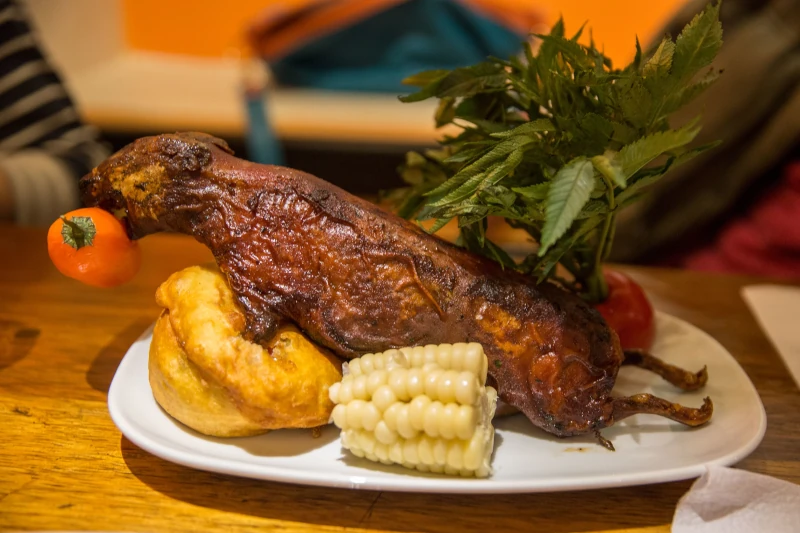
Cuy cocinado is a traditional Andean dish made by cooking guinea pig with seasonings such as garlic, cumin, salt, pepper, and citrus, then roasting, frying, or stewing it until the meat is tender and flavorful. In Peru and nearby Andean regions, the most common versions are cuy al horno, cuy chactado, and cuy guisado, each using the same animal but a different cooking method that changes the texture and taste.
What it is
Cuy cocinado literally refers to cooked guinea pig, but in culinary use it usually means a prepared regional specialty rather than a simple boiled dish. The meat is valued for its lean profile, crisp skin when roasted or fried, and earthy flavor that many cooks say is strongest when the cuy is fresh and well seasoned. In Andean kitchens, the dish is often served for celebrations, family gatherings, or local festivals, making it both food and cultural marker.

Recipes vary by region, but a common pattern is visible in widely shared preparations: washing and cleaning the animal, seasoning it with lime, garlic, cumin, salt, pepper, and sometimes huacatay, then cooking it with oil or over heat until the outside browns and the inside stays juicy. One publicly available Peruvian recipe lists lime, yellow corn flour, salt, pepper, cumin, garlic, and vegetable oil as core ingredients for a crisp version of the dish.
Cultural context
Andean cuisine has treated cuy as an important food source for centuries, especially in highland areas where it was traditionally raised at home. The dish is common in Peru, Ecuador, and parts of Bolivia, and it appears on both everyday tables and special occasion menus. In Peru, cuy is often associated with Cusco, Arequipa, and other highland regions where local cooking methods have been preserved and adapted over generations.
"The typical recipe calls for a guinea pig seasoned with a mixture of salt, cumin, pepper, oil, huacatay, and, occasionally, lemon juice."
That style of seasoning helps explain why many locals describe the finished dish as deeper and more aromatic than a plain roast. The herbs, citrus, and spices do most of the flavor work, while the skin or coating provides the textural contrast that makes the dish memorable. In many homes, the cooking method is part of the identity of the recipe, not just a technical detail.
How it is cooked
Cooking method matters more than many first-time eaters expect, because each version produces a different texture. Roasting tends to create a drier, more evenly browned surface, while chactado-style cooking uses heavy pressure during frying to flatten the animal and crisp the skin faster. Stewed versions soften the meat and create a richer sauce, which makes them closer in spirit to comfort food soups or braises.
- Clean and prepare the cuy thoroughly.
- Season it with lime or lemon, garlic, cumin, salt, and pepper.
- Rest the meat so the flavor penetrates before cooking.
- Cook by roasting, frying, or stewing, depending on the regional style.
- Finish with a crisp surface or a rich sauce, then serve hot.
In one shared Peruvian preparation, the cook uses lime to help clean the animal, then coats it with a seasoned corn flour mixture before frying it until crisp. That approach reflects a practical local idea: the same animal can taste very different depending on whether the goal is crunch, tenderness, or a balanced mix of both.
Flavor profile
Flavor profile is often the main reason curious diners seek out cuy cocinado. People who enjoy it usually describe the meat as mildly gamey, savory, and richer than chicken, with a texture somewhere between rabbit and dark poultry. The seasoning is crucial because cuy itself is relatively lean, so herbs, garlic, citrus, and oil carry much of the final flavor.
Online taste descriptions are consistent with that general picture, with one commenter summarizing the experience as "taste like chicken but a bit tougher". That comparison is imperfect but useful for readers trying to imagine the meat's general profile before tasting it. The more important point is that regional preparation usually defines the final impression more than the animal alone.
Why locals prefer it
Local preference comes from a combination of taste, tradition, and texture. In many communities, cuy is not treated as novelty food; it is a familiar dish tied to home cooking, hospitality, and regional pride. A well-made cuy can deliver crisp skin, seasoned meat, and a satisfying presentation that works especially well when paired with potatoes, corn, or ají-based sauces.
There is also a strong ritual element to how it is served. In some households, the dish is presented whole, which emphasizes abundance and craftsmanship. That visual style makes the meal feel ceremonial, and it helps explain why the recipe persists even when easier proteins are available.
| Style | Main method | Texture | Common seasonings |
|---|---|---|---|
| Cuy al horno | Oven-roasted | Crisp outside, tender inside | Garlic, cumin, salt, pepper, lime, huacatay |
| Cuy chactado | Pressed and fried | Very crispy | Corn flour, salt, pepper, cumin, garlic, lime |
| Cuy guisado | Stewed | Soft and saucy | Aji, garlic, onion, herbs, broth |
Practical cooking notes
Food safety should be treated seriously with any whole-animal preparation. The meat should be handled cleanly, cooked fully, and kept at safe temperatures, especially if it is marinated before cooking. Because cuy is small, it can overcook quickly, so the goal is usually a browned exterior with meat that stays moist rather than dry.
- Use a bright citrus marinade to reduce strong odors and add flavor.
- Score or flatten the meat if the recipe calls for a crisp finish.
- Keep seasoning simple so the natural flavor stays recognizable.
- Serve with starchy sides such as potatoes, corn, or rice.
- Balance richness with ají sauces or fresh herbs.
Locally, cooks often emphasize that a good result depends on freshness, salt balance, and enough resting time after seasoning. Those choices matter because cuy has less fat than many other meats, so the cook has fewer chances to correct dryness after the heat is applied. A careful approach is the difference between a tough dish and one that tastes intentionally rustic and satisfying.
Historical note
Historical context helps explain why cuy cocinado remains culturally meaningful rather than merely exotic. Guinea pig has long been part of Andean domestic life, and its role in cooking predates modern tourism and restaurant promotion. As regional cuisines became more visible to international audiences, cuy moved from a home dish to a symbol of heritage cuisine without losing its local significance.
That transition matters because many popular dishes gain status only after outsiders notice them, while cuy already had deep local roots before it appeared in guidebooks and travel media. The recipe's staying power comes from continuity: family methods, regional variation, and the social importance of sharing a distinctive dish during celebrations.
What to expect at the table
Serving style is usually straightforward but generous. The dish is commonly accompanied by potatoes, corn, salad, or a spicy sauce that cuts through the richness. The presentation may be whole or portioned, and in many regions the visual drama is part of the experience.
For first-time diners, the best mindset is to treat cuy cocinado as a regional specialty with its own logic rather than as a substitute for another meat. The flavor is not designed to mimic chicken exactly; it is designed to express Andean seasoning, local ingredients, and a style of cooking that prioritizes crispness, aroma, and tradition. That is why local cooks often say it tastes better when prepared at home or in a trusted regional kitchen.
Everything you need to know about Cuy Cocinado Why This Dish Shocks First Timers
Is cuy cocinado the same as cuy chactado?
No. Cuy cocinado is a broad phrase for cooked guinea pig, while cuy chactado usually means a specific pressed-and-fried style that produces a very crisp exterior.
What does cuy taste like?
It is often described as mild, savory, and slightly gamey, with a texture many people compare loosely to chicken or rabbit, though the comparison is not exact.
Why is lime or lemon used?
Citrus is commonly used in cleaning and marinating the meat, and in shared recipes it also supports flavor and aroma before cooking.
Which version is best for beginners?
Oven-roasted cuy is often the easiest starting point because it is more forgiving than frying under pressure and still delivers a crisp-tender result.
Is cuy cocinado only eaten in Peru?
No. It is especially associated with Peru, but it is also eaten in Ecuador and Bolivia, where Andean food traditions share similar ingredients and techniques.