Comidas Tipicas De Ecuador You'll Crave After One Bite

Common Ecuadorian food includes encebollado, ceviche de camarón, fritada, hornado, llapingachos, bolón de verde, fanesca, locro de papa, tigrillo, humitas, and morocho, with regional flavors shifting between the coast, highlands, and Amazon. These are the dishes people usually mean when they ask for comidas típicas de Ecuador, and they are a great starting point for anyone wanting the country's most iconic flavors.
What makes Ecuadorian cuisine distinctive
Geographic diversity is the biggest reason Ecuador's food feels so varied: coastal dishes lean on seafood and tropical ingredients, the Andes favor potatoes, corn, pork, cheese, and brothy soups, and the Amazon uses ingredients such as yuca, chonta, and fresh river fish. In practical terms, the same country can serve a breakfast of tigrillo in the south, a lunch of encebollado on the coast, and a holiday fanesca in the highlands.
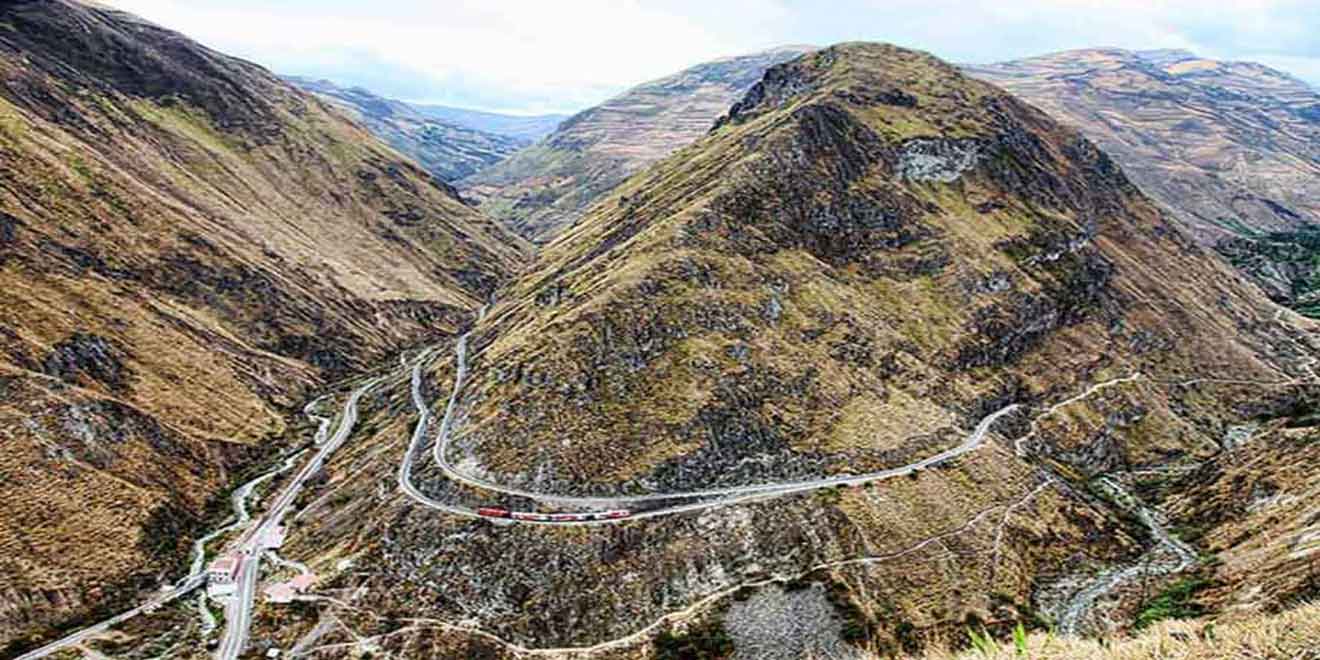
Historical influences also matter, because Indigenous traditions, Spanish colonial cooking, Afro-Ecuadorian techniques, and local agricultural products all shaped the national table. That mix is why Ecuadorian dishes often combine humble staples like corn and plantain with rich sauces, slow-cooked meats, and bright pickled onions.
Most popular dishes
- Encebollado: a tuna or albacore fish soup with cassava, red onion, cilantro, and citrus, often called a comfort food and common hangover cure.
- Ceviche de camarón: shrimp ceviche served with onion, tomato, cilantro, and a lightly sweet, tangy broth.
- Fritada: braised and browned pork served with mote, llapingachos, plantain, avocado, and corn.
- Hornado: slow-roasted pork, typically paired with potatoes, mote, and a fresh salsa.
- Bolón de verde: mashed green plantain stuffed or mixed with cheese, pork cracklings, or both.
- Fanesca: a seasonal soup made with grains, squash, milk, and bacalao, traditionally eaten during Holy Week.
- Locro de papa: a creamy potato-and-cheese soup usually topped with avocado.
- Tigrillo: a mash of green plantain, egg, and cheese, often eaten at breakfast.
Regional specialties
Coastal cooking is especially seafood-forward, with ceviches, encocados, and fish soups reflecting the Pacific shoreline and humid lowlands. Meals often feel bright and fresh, with lime, onion, and cilantro doing a lot of the flavor work.
Andean dishes tend to be more filling and rustic, built around potatoes, corn, pork, cheese, and soups that suit cooler mountain weather. This is the region where fritada, hornado, llapingachos, and locro de papa are especially beloved.
Amazonian cuisine is less globally famous but deeply important, featuring ingredients like yuca, chonta, and river fish prepared in wraps, stews, or grilled formats. If you want a more adventurous food experience, this is the part of Ecuador where traditional preparations can feel most distinct.
Dish guide
| Dish | Main ingredients | Best time to eat | Typical region |
|---|---|---|---|
| Encebollado | Fish, cassava, onion | Breakfast or lunch | Coast |
| Fritada | Pork, mote, plantain | Lunch | Highlands |
| Bolón de verde | Green plantain, cheese, pork | Breakfast | Coast |
| Locro de papa | Potato, cheese, avocado | Dinner or lunch | Highlands |
| Fanesca | Grains, squash, milk, bacalao | Holy Week | Nationwide |
How to eat them
- Start with encebollado if you want the most famous everyday dish.
- Try ceviche de camarón for a coastal flavor profile that feels bright and refreshing.
- Order fritada or hornado for a classic highland lunch with hearty sides.
- Add bolón de verde or tigrillo at breakfast to experience Ecuadorian comfort food early in the day.
- Choose fanesca if you are visiting during Holy Week and want a culturally meaningful seasonal dish.
Seasonal and cultural meaning
Fanesca is the clearest example of food as cultural memory in Ecuador, because it is tied to Holy Week and traditionally prepared with symbolic ingredients. Families often treat it as more than a soup; it is a ritual meal that connects religion, hospitality, and regional identity.
Street food culture also plays a major role in how these dishes are experienced, since many of the best versions are found in market stalls, neighborhood restaurants, and roadside counters rather than formal dining rooms. In Ecuador, a casual plate can be just as important as a celebratory feast.
Why travelers love it
Bold contrasts make Ecuadorian food memorable: creamy soups sit next to acidic salsas, crisp pork accompanies soft plantain, and mild cheeses balance salty or sour toppings. That mix gives the cuisine wide appeal because it is comforting without being bland.
Affordability is another reason the food stands out for travelers, since many traditional meals are filling, inexpensive, and easy to find in local eateries. For visitors, that means you can sample a lot of Ecuador's signature dishes without needing a fine-dining budget.
Signature flavors
Maize and plantain are two of the most important recurring ingredients, appearing in everything from breakfasts to soups and side dishes. Potatoes, cassava, cheese, pork, fish, and fresh onion also appear repeatedly, which helps explain why the cuisine feels both regional and unified at the same time.
Simple seasoning is another hallmark, because many dishes rely on garlic, cumin, achiote, lime, and herbs rather than heavy spice blends. The result is food that tastes layered and satisfying without overwhelming the main ingredient.
Best first bites
If you only have a few meals in Ecuador, the most representative first bites are encebollado, fritada, bolón de verde, locro de papa, and fanesca when seasonal. Together, those dishes show the coast, the highlands, breakfast culture, and holiday tradition in a compact way.
Local pride is strong around these dishes, and that is part of what makes them worth seeking out: Ecuadorians often see them not just as recipes, but as markers of home, region, and family tradition.
Travel tasting tips
Ask for the regional version when you order, because many dishes vary from one province to another. A coast-style ceviche may differ noticeably from a highland version, and that variation is part of the experience.
Pairing matters too, since Ecuadorian meals often come with sides that complete the flavor profile rather than acting as extras. Mote, plantain, avocado, pickled onion, and corn are not decorations; they are central to the dish.
Why this cuisine stands out
Ecuadorian cuisine is compelling because it is approachable, regional, and deeply tied to daily life. It is the kind of food that can be rustic, festive, coastal, or mountain-hardy depending on where you eat it, and that range is exactly what makes it memorable.
For anyone searching for comidas típicas de Ecuador, the best answer is a diverse menu that starts with encebollado and expands into fritada, hornado, bolón de verde, locro de papa, and fanesca. Those dishes tell the story of Ecuador better than any single ingredient list ever could.
Key concerns and solutions for Comidas Tipicas De Ecuador Youll Crave After One Bite
What are the most famous Ecuadorian dishes?
The most famous Ecuadorian dishes are encebollado, ceviche de camarón, fritada, hornado, bolón de verde, locro de papa, tigrillo, and fanesca. These are the foods most travelers encounter first because they are common, regional, and strongly associated with Ecuadorian identity.
What is the national dish of Ecuador?
Encebollado is widely regarded as one of Ecuador's most iconic dishes, especially on the coast, though different regions may point to other favorites. Its popularity comes from its comforting flavor, everyday availability, and deep cultural recognition.
What food should I try first in Ecuador?
Start with encebollado for lunch, bolón de verde for breakfast, and fritada for a hearty highland meal. Those three dishes give you a strong introduction to Ecuador's coastal, breakfast, and mountain food traditions.
Is Ecuadorian food spicy?
Most Ecuadorian food is not especially spicy, but many dishes are served with ají, a fresh chili sauce that diners add to taste. The cuisine usually emphasizes balance, freshness, and comfort rather than intense heat.
When is fanesca eaten?
Fanesca is traditionally eaten during Holy Week, especially around Easter. It is one of Ecuador's most meaningful seasonal dishes and is closely tied to family gatherings and religious tradition.