Arenal Volcano Costa Rica Facts That Will Surprise You
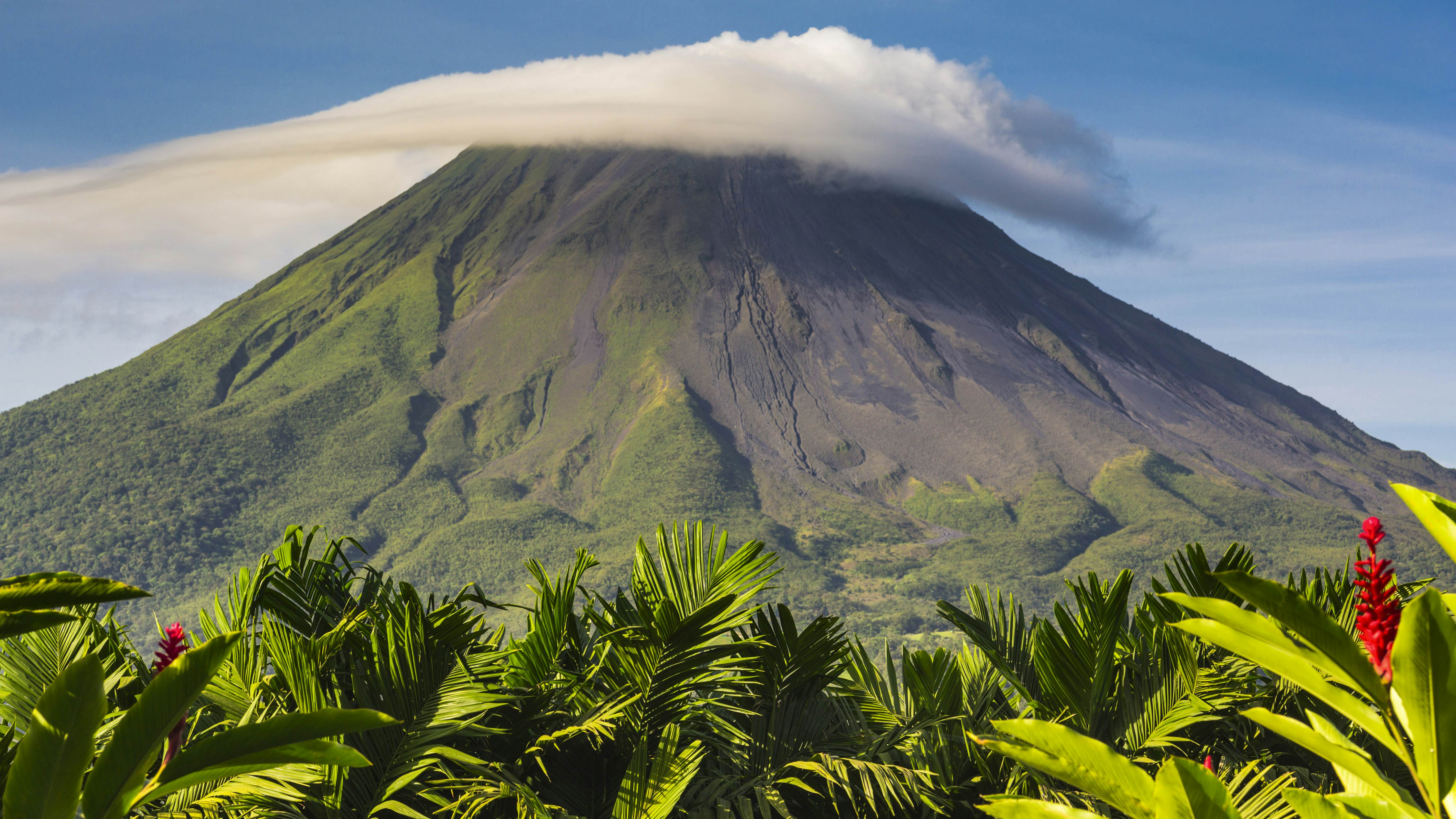
What makes Arenal tick: essential Costa Rica volcano details
The Arenal Volcano stands as Costa Rica's most iconic geological landmark, reaching an elevation of 5,358 feet (1,633 meters) above sea level in the northern Alajuela province. Known for its nearly perfect conical silhouette, the volcano is officially categorized as a young stratovolcano that remained in a state of near-constant explosive activity from its major 1968 eruption until entering a quiet resting phase in 2010. While it no longer produces daily lava flows or ash plumes, it remains a critical site for seismic monitoring and a centerpiece of the regional biodiversity hotspot that defines the Northern Zone of the country.
Geological Formation and History
Geologists estimate that the Arenal Volcano formed approximately 7,500 years ago, making it the youngest volcano in Costa Rica. Before the catastrophic events of the late 20th century, the volcano was largely considered dormant or even extinct by local residents, who had occupied the fertile slopes for generations. The transformation of the landscape occurred on July 29, 1968, when three distinct craters ruptured along the western flank, fundamentally altering the geological composition of the surrounding plains through pyroclastic flows and massive debris displacement.

"The 1968 eruption was a transformative event for volcanology in Central America, serving as a stark reminder of the volatile nature of the Cordillera de Tilarán mountain range," notes regional geological documentation.
Data Summary of Arenal Statistics
| Feature Category | Measurement Details |
|---|---|
| Peak Elevation | 1,633 meters (5,358 feet) |
| Age Estimate | ~7,500 years old |
| Last Major Phase | 1968-2010 (Active period) |
| National Park Area | 12,124 hectares |
Key Chronology of Volcanic Events
- Pre-1968: A period of relative silence where the peak was locally perceived as a dormant mountain.
- July 29, 1968: A violent explosive eruption destroys the villages of Tabacón, Pueblo Nuevo, and San Luís, claiming 87 lives.
- 1973: Volcanic activity migrates to Crater C, which becomes the primary vent for gas and andesite basaltic lava flows.
- 2010: The volcano enters its current resting phase, effectively ceasing the daily outward displays of molten rock.
Visitor Guidelines and Park Facts
The Arenal Volcano National Park serves as the primary gateway for those looking to explore the volcanic ecosystem safely. Visitors are encouraged to utilize established trails like "Las Coladas," which wind through remnants of hardened lava flows that provide a visual history of the 1968 events. Because the area is a protected nature reserve, park authorities enforce strict regulations regarding off-trail exploration to preserve the delicate forest succession and safety from thermal vents.
- Always hire an authorized guide to interpret the volcanic terrain and assist in locating regional wildlife.
- Plan visits for early mornings to avoid midday heat and to maximize the probability of clear summit views.
- Maintain distance from steam-emitting thermal zones, as ground temperatures can fluctuate unpredictably.
- Utilize the Arenal Observatory Lodge for high-altitude perspectives and proximity to primary research trails.
Key concerns and solutions for Arenal Volcano Costa Rica Facts That Will Surprise You
Is the volcano currently erupting?
No, the volcano is currently in a stable, resting phase, and has not produced lava flows or significant ash emissions since mid-2010.
Can you hike to the top of the crater?
Hiking to the summit is strictly prohibited due to the danger of loose rock, unpredictable gas emissions, and the need to preserve the fragile ecological integrity of the national park.
What defines the local weather patterns?
The region experiences a humid, tropical climate influenced by its location between the rainforest and the lake, often leading to rapid cloud cover shifts around the volcanic peak.
Are the hot springs natural?
Yes, the famous hot springs in the region are fed by geothermal energy originating from the underlying magmatic activity of the Arenal system.